
Tag: Electrical

Electrical services are an essential part of maintaining a safe and functional home. At Infinity Home Services, we provide expert installation, maintenance, and repair services for homeowners across the region. From lighting upgrades and socket installations to full rewires and safety inspections, our qualified electricians deliver dependable workmanship that meets the highest standards of safety and compliance.


The Benefits of Professional Electrical Services

Electrical work should always be handled by experienced, certified professionals — and that’s exactly what you’ll get with Infinity Home Services. Our team ensures that every project, big or small, is completed safely, efficiently, and to current UK electrical regulations. Whether you’re renovating a property, fitting a new kitchen, or simply updating your lighting, we’ll make sure your electrical systems are modern, energy-efficient, and built to last.

Our comprehensive services include lighting design, rewiring, fuse board upgrades, outdoor electrics, and safety testing (EICR). We work with care and attention to detail, ensuring minimal disruption to your home and complete peace of mind for you and your family.

At Infinity Home Services, we take pride in providing honest advice, transparent pricing, and reliable service from start to finish. Whatever your electrical needs, our skilled team is #AlwaysThere to keep your home running safely and efficiently.

Storms wreak absolute havoc when they hit the UK hard. Whilst it's rare to suffer loss of life, the impact it has on our homes in terms of flooding and general damage can be significant.

Lessons from Storm Babet: How to Safeguard Your Home Against Storms

Lessons from Storm Babet: How to Safeguard Your Home Against Storms

The destructive force of nature, as exemplified by Storm Babet this week, has once again reminded us of the vulnerability of our homes to the perils of damage caused by storms. As extreme weather events become increasingly common, it is imperative to learn from these incidents and take proactive measures to protect our homes against potential damage.

Whilst Essex and Suffolk have not been as badly affected as the North of England and Scotland, over 2 inches of rainfall has fallen in the past 24 hours, couple with high winds showing us just what damage can be caused. By focusing on critical areas such as broken or blocked guttering, drainage issues, roof vulnerabilities, and other related concerns, we can significantly reduce the risks of damage associated with storms and protect our homes from the devastating aftermath of such natural calamities.
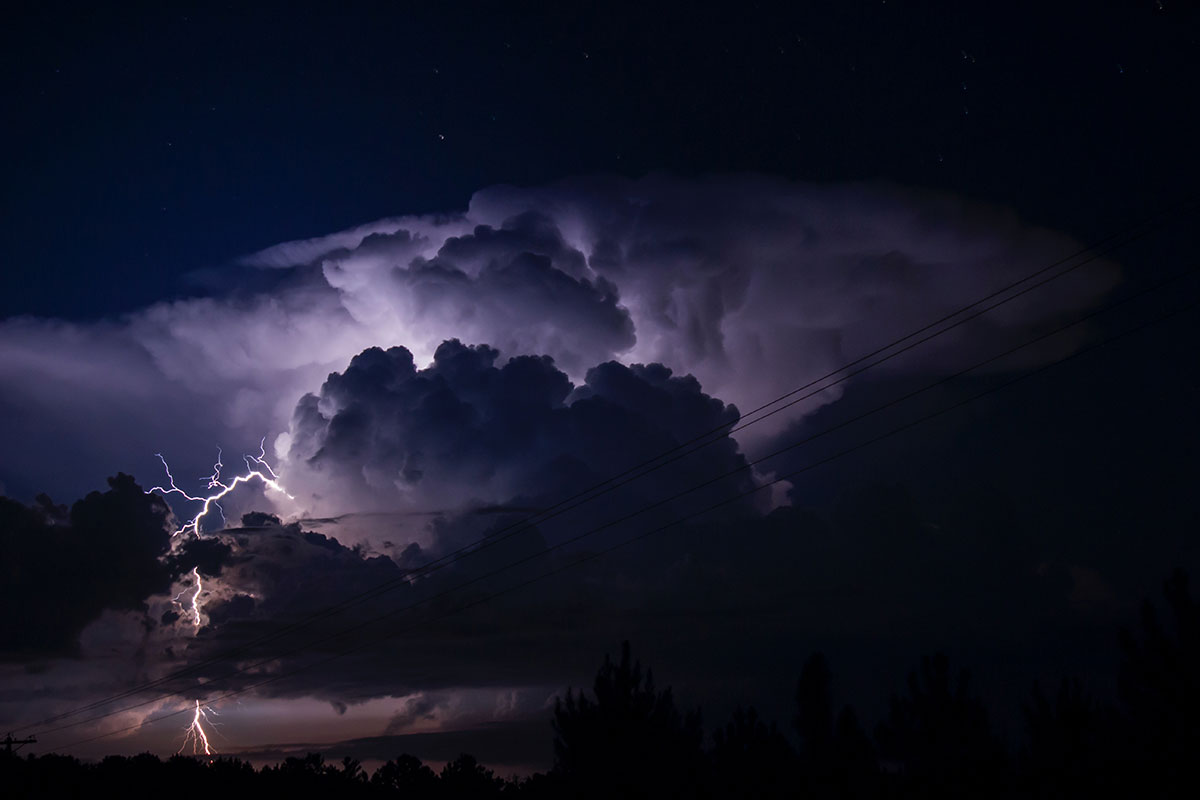
Storms wreak absolute havoc when they hit the UK hard. Whilst it's rare to suffer loss of life, the impact it has on our homes in terms of flooding and general damage can be significant.

Storms and the damage they can cause to your home

Storms, with their powerful forces of nature, can wreak havoc on residential homes, causing a range of problems that can significantly impact both the structural integrity and the comfort of living spaces. Here are several common issues that can arise in residential homes as a result of storms:

  1. Roof Damage: High winds and heavy rainfall can lead to various forms of roof damage, including missing or damaged tiles or slates, or even punctures and leaks (particularly in flat roofing). Such vulnerabilities can result in water seepage, structural weakening, and ultimately, interior damage to the property. Conducting regular roof inspections, addressing any existing damages promptly, and ensuring proper insulation can effectively enhance the structural resilience of roofs, thereby minimising the likelihood of water seepage and subsequent interior flooding.
  2. Flooding: Intense rainfall, combined with blocked drainage systems and poor landscaping, can result in severe flooding, leading to water damage, mould growth, and structural instability. Floodwater can also compromise the foundation and electrical systems, posing significant safety risks. Make sure that drains remain clear to allow water to flow, and landscape gardens to avoid allowing water to stand. Well-maintained guttering also plays a significant part in diverting rainwater away from our homes. The accumulation of leaves, debris, and other obstructions in the guttering system can impede the smooth flow of water, leading to overflow and potential water ingress. Regular inspections and timely cleaning of guttering are essential in preventing blockages and ensuring efficient water drainage, thereby reducing the risk of flooding during heavy rainfall.
  3. Window and Door Damage: Debris carried by strong winds can collide with windows and doors, causing breakage and compromising the structural integrity of the building. Broken windows and doors can allow water and debris to enter the home, leading to further damage and safety concerns. In extreme circumstances, doors and windows might require sandbagging to prevent significant flood damage. Damaged doors and windows are also a security concern.
  4. Power Outages: Storms, particularly those accompanied by thunder and lightning, can cause power outages, disrupting daily life and potentially leading to the loss of perishable goods. Extended power outages can also affect heating and cooling systems, posing risks to the health and safety of residents, especially during extreme weather conditions. In the case of thunderstorm, electrical surges can be a menace to appliances and electrical equipment; so don’t forget to unplug them, or use surge protection.
  5. Fallen Trees and Debris: Severe storms can uproot trees and scatter debris, which can damage roofs, windows, and other exterior structures of residential homes. Fallen trees can also pose a significant safety risk, especially if they damage power lines or obstruct roads and pathways.
  6. Basement and Foundation Issues: Excessive rainfall and flooding can lead to water seepage into basements, causing structural damage, mould growth, and the deterioration of the foundations. Such issues can compromise the stability of the entire house and necessitate costly repairs.
  7. Landscape Destruction: Intense storms can lead to the erosion of soil, the uprooting of plants, and the destruction of landscaping features, resulting in both aesthetic and functional damage to the property. Soil erosion can also affect the stability of the property’s foundation, leading to long-term structural issues.
  8. Mould and Mildew Infestation: Excessive moisture from storms, especially when accompanied by flooding or water seepage, can create conducive conditions for the growth of mould and mildew. These can not only cause structural damage but also pose health risks to the residents, triggering allergies, respiratory problems, and other health complications.
  9. Structural Weakening: The cumulative effects of multiple storms over time can gradually weaken the overall structural integrity of residential homes, leading to long-term damage and the need for extensive repairs and renovations to ensure the safety and stability of the property.
  10. Fence Panels: We all know all too well that as soon as there’s a strong gust of wind, fence panels start popping. As well as the aggravation factor, missing fence panels also pose a risk to security; both keeping people out, but also keeping kids and pets within your garden. Whilst a relatively simple fix, it’s a common problem once strong winds start to blow in our winter storms.

Contact Us

In the aftermath of storms such as Babet, the importance of protecting our homes against storm damage has become more apparent than ever. By understanding the vulnerabilities posed by storms, we can take proactive measures to protect our homes from their devastating impact. Through regular maintenance, timely repairs, and the implementation of effective preventive strategies, we can create a more resilient living environment that can withstand the challenges posed by extreme weather events, safeguarding both our properties and our peace of mind. If you require any help getting ready for a possibly eventful autumn and winter of storms, contact Infinity Home Services by calling 0800 148 8088 or completing the form below and we’ll be in touch!


By agreeing to this, I agree to receiving updates about our services, promotions, special offers, news and events from Infinity ProServ Ltd (T/a Infinity Home Services) and any sister companies.

Continue reading

Infinity Home Services look at measures that you can take to reduce your carbon emissions from your home.

Greening Your Nest: How Homeowners Can Slash Carbon Emissions

Greening Your Nest: How Homeowners Can Slash Carbon Emissions

In an era defined by climate action and sustainability, the recent changes to the UK Government’s net-zero strategy underscore the urgency of our collective responsibility to combat climate change. But, as the saying goes, “charity begins at home.” As homeowners, each of us holds the power to make a tangible difference in the fight against carbon emissions. In this article, we’ll explore the pivotal connection between the UK’s evolving net-zero policies and the essential steps homeowners can take to significantly reduce their own domestic carbon footprints. Join us on a journey towards “Greening Your Nest,” where we’ll uncover practical, cost-effective ways to make your home a beacon of environmental responsibility.

Infinity ProServ look at measures that you can take to reduce your carbon emissions from your home.

In recent times, a number of key targets that formed the UK’s commitment to ‘net zero’ in terms of carbon emissions. Several of these focused on areas directly affecting homeowners, namely:

  • Delaying the ban on installing oil and LPG boilers, and new coal heating, for off-gas-grid homes to 2035, instead of phasing them out from 2026. Many of these homes are not suitable for heat pumps, so this ensures homeowners are not having to spend around £10-15,000 on upgrading their homes in just three years’ time.
  • Set an exemption to the phase out of fossil fuel boilers, including gas, in 2035, so that households who will most struggle to make the switch to heat pumps or other low-carbon alternatives won’t have to do so. This is expected to cover about a fifth of homes, including off-gas-grid homes – those that will need expensive retrofitting or a very large electricity connection.
  • Scrap policies to force landlords to upgrade the energy efficiency of their properties, but instead continue to encourage households to do so where they can.
  • Raise the Boiler Upgrade Grant by 50% to £7,500 to help households who want to replace their gas boilers with a low-carbon alternative like a heat pump.

In the United Kingdom, domestic homes are estimated to be responsible for around 15-20% of the country’s total carbon emissions. This includes emissions from heating, electricity use, transportation related to household activities, and indirect emissions associated with the production of goods and services consumed by households. It goes without saying therefore, that homeowners have a crucial role to play in reducing carbon emissions and mitigating the effects of climate change. Here are a number of actions that you can take:

Improve Home Energy Efficiency:

    • Invest in proper insulation for walls, roofs, and floors.
    • Seal gaps and cracks in doors and windows to prevent drafts.
    • Upgrade to energy-efficient windows and doors, and consider applying reflective films to reduce solar gain.
    • Replace traditional incandescent bulbs with LED or CFL lighting.
    • Consider installing solar tubes to maximise daylight indoors
    • Install a programmable thermostat to optimise heating and cooling.

Switch to Renewable Energy Sources:

    • Consider installing solar panels on your roof to generate clean energy. Pair this with battery storage solutions to ensure you can utilise your energy most effectively, rather than selling it back to the grid.
    • Explore community solar programs or green energy tariffs offered by utility companies.
    • Use solar water heaters for domestic hot water needs.

Reduce Water Consumption:

    • Fix leaks in sinks, taps, toilets, and pipes promptly.
    • Install low-flow showerheads and taps.
    • Consider using grey-water collection for flushing toilets.

Choose Energy-Efficient Appliances:

    • Opt for energy-efficient appliances, like washing machines and dishwashers.
    • Look for the ENERGY STAR label when purchasing new appliances.

Upgrade HVAC Systems:

    • Replace old, inefficient heating and cooling systems with high-efficiency models.
    • Schedule regular maintenance to ensure your HVAC system operates efficiently.

Invest in Smart Home Technology:

    • Use smart thermostats, lights, and appliances that can be controlled remotely to optimise energy use.

    Adopt Sustainable Landscaping Practices:

      • Plant native trees and shrubs to enhance biodiversity.
      • Use drought-resistant plants to reduce water consumption.
      • Compost kitchen scraps and garden waste.

      Conserve Water:

        • Collect rainwater for outdoor use.
        • Install water-saving fixtures in your home.
        • Water your lawn and garden during non-peak hours.

      Support Sustainable Building Materials:

        • Choose eco-friendly building materials if you’re building or renovating your home.
        • Consider reclaimed or recycled materials.

      Reduce Car Emissions:

        • Choose eco-friendly transportation options like walking, biking, or using public transit.
        • Consider purchasing an electric or hybrid vehicle.

      Reduce, Reuse, Recycle:

        • Recycle paper, cardboard, glass, plastic, and metal.
        • Reduce waste by buying products with minimal packaging.
        • Reuse items when possible or consider donating them.

      Reduce Single-Use Plastics:

        • Use reusable shopping bags, water bottles, and containers.
        • Avoid disposable plastic cutlery and straws.

          Support Renewable Energy Policy:

            • Advocate for policies that promote renewable energy and energy efficiency at the local and national levels.

          Educate Yourself and Others:

            • Stay informed about climate change and carbon reduction strategies.
            • Share knowledge and encourage others in your community to take action.

          Remember that small changes in your daily life can collectively make a significant impact. By adopting sustainable practices, homeowners can contribute to the global effort to combat climate change and reduce carbon emissions.

          Contact Us

          Infinity Home Services offer a wide range of maintenance and support services to homeowners and small businesses, including many of the ideas outlined above. Complete the form below, or call 0800 148 8088 to see just how we can help you. 

          By agreeing to this, I agree to receiving updates about our services, promotions, special offers, news and events from Infinity ProServ Ltd (T/a Infinity Home Services) and any sister companies.

          Continue reading