Tag: Plumbing

Tackling radiator issues before they cost you more

Tackling radiator issues before they cost you more

When National Radiator Day rolls around, it’s not just a gimmick — it’s a timely reminder that homeowners need to pay attention to common radiator problems before winter bites. For many in North Essex, South Suffolk, and beyond, neglecting radiator health can lead to cold rooms, surging energy bills, and stress when breakdowns strike.
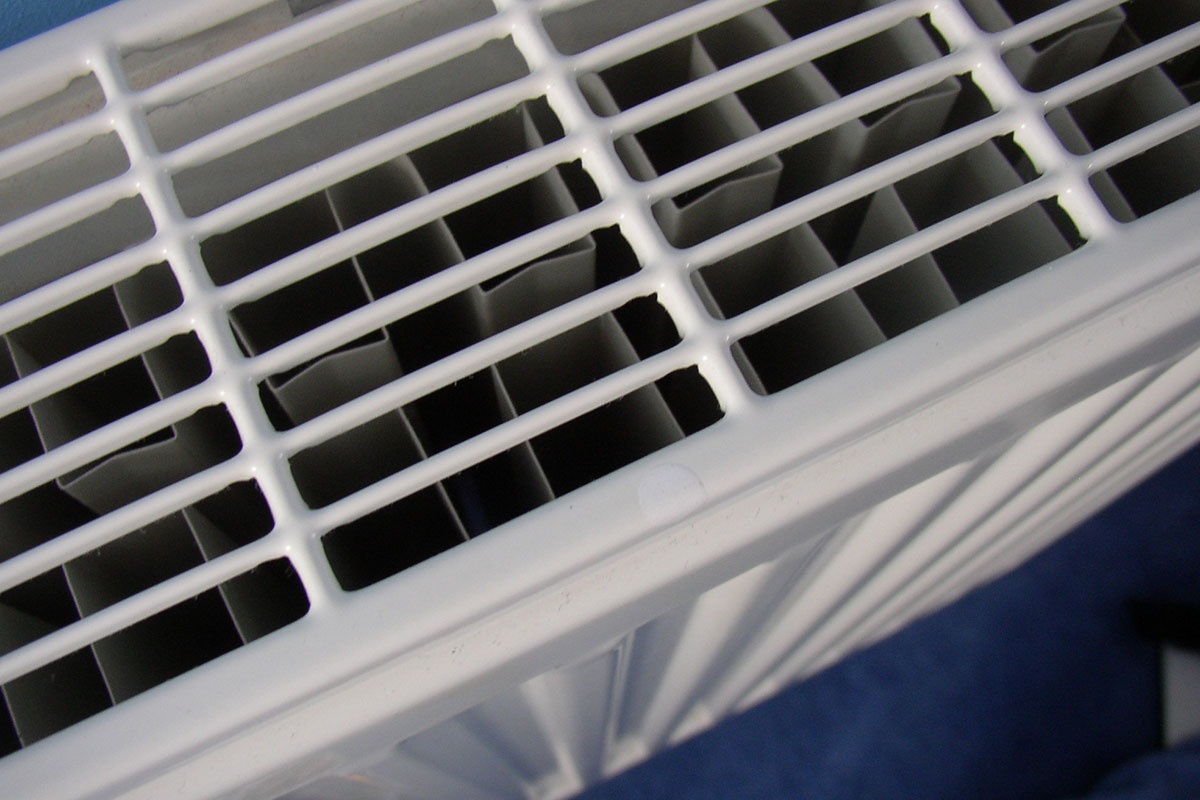
Infinity Home Services' engineers can look after your existing, or install new heating distribution such as radiators and pipework throughout your home, keeping you cosy and warm.

Why “National Radiator Day” matters: more than just a campaign

Radiators are the unsung workhorses of UK homes — according to the English Housing Survey, around 90% of homes in England use radiators (or wet central heating systems) as their main heating method. That means nearly every homeowner is potentially affected when something goes wrong.

Yet, survey data shows too many owners skip regular maintenance: just 20% of people check their radiators for faults, and only 25% of households have their heating systems professionally serviced on a routine basis. These gaps leave many homes vulnerable to the worst of radiator problems — especially in colder months.

Let’s walk through the main challenges, the human frustrations they bring, and how to stay ahead of them.


The real challenges behind radiator problems

Radiator issues aren’t just technical annoyances — they affect comfort, bills, and peace of mind. Below are common types and their knock-on effects.

1. Cold or uneven heating

One of the most obvious signs you have a radiator problem is when a radiator stays cold at the top, or a room never seems to reach the desired temperature. This often points to:

  • Air trapped inside the radiator, causing “airlocks”

  • Sludge or debris build-up restricting water flow

  • Faulty thermostatic radiator valves (TRVs) stuck closed

  • Poor system balance (some radiators take priority over others)

  • Pump failure or weak circulation

Left unresolved, cold spots grow, rooms never get cosy, and you may overcompensate by turning up the boiler — increasing wear and your energy bill.

2. Leaks, corrosion, and material wear

Over time, metal radiators suffer wear and tear. Leaks or slow drips may develop around valves or joints. Corrosion (especially in older steel or cast-iron radiators) weakens structure and causes rust flakes to circulate, further clogging the system.

The human cost? Anxiety at the sight of damp patches or staining, and the risk of water damage to plaster, skirting boards, or floor coverings.

3. Noise, banging and gurgling

Nobody wants their heating making a racket. Gurgling, banging, ticking or vibrating sounds often indicate:

  • Trapped air

  • Uneven flow rates

  • Water hammer (sudden pressure changes)

  • Loose pipework or brackets

These noises are not only irritating — they signal the system is under strain. If ignored, parts can loosen or valves can fail.

4. Pressure issues and boiler strain

A radiator problem can drag the whole heating system down. For instance:

  • If the system loses pressure (e.g. due to a leak), the boiler may shut down or struggle

  • Poor radiator flow can force the boiler to operate at higher output (less efficient)

  • Oversized or mismatched radiators make it harder to adopt low‐temperature heat systems later, such as heat pumps

According to a BEIS report, changing radiator performance over time reduces the number of UK homes able to operate comfortably with lower flow temperatures.


The human side: stress, disruption and cost

Behind every radiator issue is a homeowner trying to balance comfort, cost, and inconvenience. Consider:

  • Disruption: Having engineers visit, shutting off rooms, draining pipes

  • Emotional stress: Cold nights, sleeplessness, worry that more will go wrong

  • Unexpected costs: A small repair might lead to a full flush, valve replacement, or even radiator swaps

  • Energy bills rising: Inefficient radiators waste heat — one UK expert warns common radiator mistakes can add £400–£600/year to your heating costs.

All this is exacerbated if you live in older properties common in North Essex or South Suffolk. With solid walls, period features, or mixed heating systems, small inefficiencies become magnified.


How Infinity Home Services can help

As a local heating and plumbing specialist serving North Essex and South Suffolk, Infinity Home Services knows radiator problems inside out. Here’s how we support homeowners:

  • Diagnostics & inspections: We examine your radiator network, check valves, circulation, and pressure to pinpoint the issue.

  • Bleeding, flushing & power-flushing: We can remove sludge and debris efficiently so radiators perform at full output.

  • Valve replacements & radiator swaps: Whether a TRV is stuck or a radiator is beyond repair, we match the right components for your home.

  • System balancing & efficiency tuning: Ensuring all rooms get heat properly, and the boiler runs optimally.

  • Preventive maintenance plans: A regular check schedule to catch faults early and spread costs.

By acting before things escalate, you protect your comfort and budgets for the whole winter ahead.


Tips for homeowners: how to prevent common radiator issues

  1. Bleed your radiators annually — doing so releases trapped air that blocks heat.

  2. Feel your radiators — if the bottom is hot but the top isn’t, there’s a flow issue.

  3. Regular servicing — a qualified engineer should check the whole system yearly.

  4. Install automatic bleed valves — to reduce manual effort.

  5. Use magnetic filters or system inhibitors — to prevent sludge accumulation.

  6. Monitor water pressure — if it drops frequently, it could suggest leaks.

  7. Upgrade inefficent radiators — older models may be undersized or corroded.


Conclusion

“National Radiator Day” is a useful prompt to think about the radiators behind your home’s warmth. Radiator problems — from airlocks and noise to leaks and inefficiency — affect more than just the mechanics. They affect comfort, budgets and peace of mind. With a proactive approach and professional support, you can sidestep breakdowns and expensive repairs.

If you spot signs of trouble, don’t wait until the worst happens — call us or fill in our contact form today so we can restore your heating to full performance.

Contact Us

Ready to fix your radiator woes? Call Infinity Home Services now on 0800 148 8088 or complete our contact form today — and reclaim a warm, worry-free home?

By agreeing to this, I agree to receiving updates about our services, promotions, special offers, news and events from Infinity ProServ Ltd (T/a Infinity Home Services) and any sister companies.

Continue reading

Why Gas Safety Week Matters: What Every Homeowner Needs to Know

Why Gas Safety Week Matters: What Every Homeowner Needs to Know

As Gas Safety Week comes round, there’s no better time for UK homeowners to think seriously about their home gas safety check. Gas is essential—it heats our homes, powers cooking, and provides hot water—but when things go wrong, the consequences can be catastrophic. This article explores the problems homeowners face with gas safety, both technical and human, and how you can avoid terrible outcomes. Infinity Home Services, serving North Essex and South Suffolk, are ready to help make sure your home is truly safe.

Read about why you should take gas safety seriously in your home and what you can do to keep yourself safe.

The scale of the problem: statistics you should know

  • Around 50 people die each year in the UK from unintentional carbon monoxide (CO) poisoning; additionally, about 4,000 people visit A&E due to CO exposure.

  • One in five UK homeowners has never had a gas safety check carried out in their home.

  • Accidental deaths from carbon monoxide poisoning are down somewhat — around -7% year on year, and about 46% lower than a decade ago. But other gas-and-vapour-related deaths in homes still occur, and many appliances remain unsafe.

  • Some investigations show that when Gas Safe-registered engineers inspect boilers installed by unqualified fitters, 79% of those boilers are found to be unsafe or classified as “immediately dangerous.”

These statistics make it clear that while overall numbers have improved, serious risks remain—especially where checks, maintenance, or qualifications are lacking.


Types of gas safety problems: technical and human

Technical problems

  1. Poor installation / unqualified technicians: Improperly fitted boilers, gas fires or cookers, badly sealed joints or flues can all lead to leaks of natural gas or CO. As noted above, a large fraction of boilers installed by those without Gas Safe registration are found to be unsafe.

  2. Inadequate maintenance: Even well-installed appliances degrade with age—seals wear, flues block, burners become misaligned. Without regular servicing these issues often remain unseen until danger arises.

  3. Faulty or blocked ventilation / flues: Without correct air supply or exhaust, combustion gases cannot vent properly, leading to a buildup of carbon monoxide or other dangerous gases.

  4. Leaks, corrosion or ageing pipework: Gas pipes can corrode; joints can fail; materials degrade. These pose risk both of fire / explosion and poisoning.

Human (behavioural / awareness) problems

  1. Lack of awareness or under-estimating risk: Many homeowners do not realise when symptoms like headaches, dizziness, nausea might be due to CO. Some believe they can spot danger easily, or think that “it won’t happen to me.”

  2. Ignoring small warning signs: Yellow or orange burner flames, soot or stains on appliances, smells of gas (often described like rotten eggs) are meaningful signs. But homeowners may delay or dismiss them, perhaps due to cost, inconvenience or simply not knowing what they mean.

  3. DIY and “unqualified fixes”: For cost saving or convenience, people sometimes attempt to fix, install or adjust gas appliances without professional, Gas Safe registered help. These fixes might appear to work but can leave hidden dangers.

  4. Neglecting carbon monoxide alarms: Because CO is colourless and odourless, alarm devices are essential. Yet many homes either do not have alarms, or do not test/replace them properly.

  5. Financial barriers: Particularly since energy and living costs have risen, some homeowners might delay checks, servicing or replacing unsafe appliances due to cost. This increases risk.


How homeowners can reduce risk

  • Always hire a Gas Safe registered engineer for installation, servicing or repair work. Check their ID, credentials, and ensure they show Gas Safe registration.

  • Have a proper home gas safety check at least annually. This should include all gas-fired appliances, flues, pipework and ventilation.

  • Install carbon monoxide (CO) alarms in rooms with boilers or gas fires; test them monthly and replace batteries or the device as needed.

  • Be alert to warning signs: unusual smells, discoloured flames, soot or staining, condensation inside glass doors, increased gas bills without obvious reason.

  • Ensure adequate ventilation in rooms where gas appliances are used. Even during cold weather, letting in fresh air prevents gas accumulation.

  • Plan ahead to replace aging appliances rather than waiting for breakdowns. Older equipment tends to be more prone to faults and less efficient.


How Infinity Home Services can help

Based in North Essex and South Suffolk, Infinity Home Services offers professional gas safety services tailored for homeowners. We can conduct full gas safety inspections, service boilers, check all pipework and ventilation, install or test carbon monoxide alarms, and ensure that all work is carried out by Gas Safe registered engineers. By working with us, homeowners can gain peace of mind that their property is safe from gas-related dangers.

Contact Us

Gas Safety Week is about more than just awareness—it’s about action. As a homeowner, your safety depends on regular checks, proper maintenance, professional installation, and responsiveness to warning signs. The statistics show risks remain significant, particularly where gas appliances are neglected or maintained by unqualified people. If you live in North Essex or South Suffolk, Infinity Home Services can help ensure all aspects of your gas system are safe and compliant. Don’t wait until a warning sign becomes a disaster—when will you schedule your gas safety check? Simply complete the form below, or call us today on 0800 148 8088.

By agreeing to this, I agree to receiving updates about our services, promotions, special offers, news and events from Infinity ProServ Ltd (T/a Infinity Home Services) and any sister companies.

Continue reading

Home Water Quality Concerns: Why Clean Water Matters

Home Water Quality Concerns: Why Clean Water Matters This August

Ensuring home water quality concerns are addressed safely and promptly is vital for every household—and nowhere is this more important than during National Water Quality Month in August.

As homeowners in North Essex and South Suffolk, you deserve peace of mind knowing your water is safe—from what comes out of your taps to what runs through your pipes. Below are some of the most significant water quality problems affecting UK households today—and how we at Infinity Home Services can help protect your family.

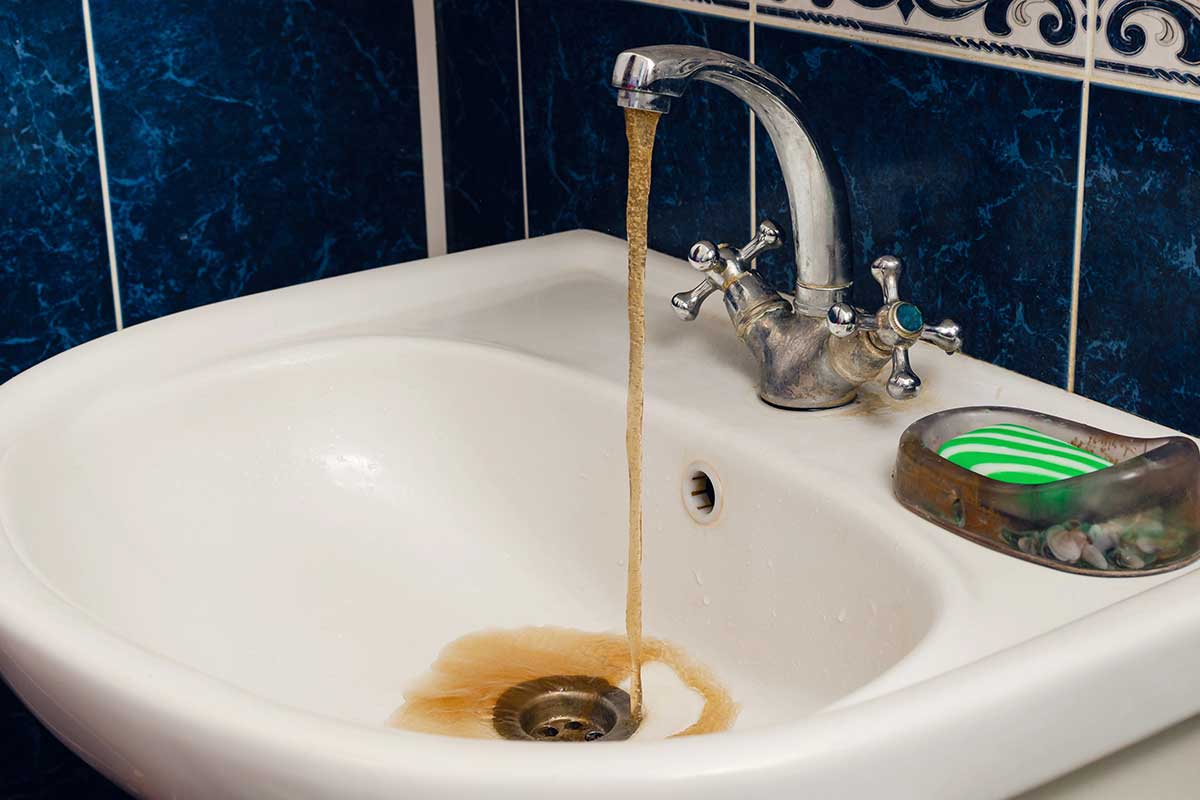
If you're suffering with water quality issues such as rusty water or limescale, find out more here, or contact Infinity Home Services.

The Hidden Issues Behind Home Water Quality Concerns

1. Perception vs. Reality: Trust and Taste

A recent TAPP Water survey found that 42% of UK residents don’t trust or like the taste of tap water, with only 36% of Londoners drinking straight from the tap. Overall, 38% believe bottled water is healthier—highlighting a strong customer concern that trusted providers like us can help alleviate.

2. Hard Water Hassles

Most parts of England, including regions east of a line between Severn and Tees, endure ‘very hard’ water, often exceeding 200 ppm calcium carbonate. Hard water can damage appliances, leave limescale, and affect soap performance.

3. Chemical Pollution in Rivers

Earthwatch volunteers discovered that 67% of samples from England’s rivers contained unacceptably high phosphates and nitrates, while every tested sample contained caffeine—a wake-up call about untreated sewage and chemical pollutants entering water sources.

4. Recreational Water Risks

According to The Guardian England has an estimated 3,347 water recreation spots, yet only 451 official bathing sites are monitored—and merely 20% of swimming areas have nearby testing. This leaves the majority of swimmers potentially exposed to pollution. 

5. Ecological Decline

Only 16% of England’s assessed surface waters achieve a good ecological status; hazardous chemical status is at 0% good, posing risks to ecosystems and raising concerns for households relying on boreholes or private water sources.


Human Impacts: More Than Just Pipes and Tests

  • Health concerns: Pollutants like antibiotics, caffeine, and phosphates may affect vulnerable individuals, including children and the elderly.

  • Lifestyle disruptions: Fish kills due to hot, polluted rivers—87 incidents reported this spring—can erode confidence in local recreational water sources.

  • Community worry: When trust in tap water falters, bottled water use rises—raising both cost and environmental concerns.


How Infinity Home Services Can Help—Especially This August

This National Water Quality Month, it’s the perfect time to take action:

  • Water quality testing: We can assess your home’s water—checking for hardness, contaminants, taste issues, and supply integrity.

  • Filter and plumbing solutions: From installing water filters to replacing corroded pipes, we ensure clean, palatable water throughout your home.

  • Advising on system upgrades: If your property uses private supplies or has ageing infrastructure, we guide you toward sustainable improvements.

With Infinity Home Services serving households across North Essex and South Suffolk, we’re your local experts in ensuring safe, reliable drinking water—especially when awareness is at its peak in August.


Conclusion

As National Water Quality Month reminds us, clean water is the foundation of healthy, happy homes. Whether it’s hard water damage, concerns about taste or chemicals, or anxiety over unmonitored recreational sites, the solution often begins at the tap—and your plumbing. Infinity Home Services is here to provide local, trusted support tailored to your home’s needs. Ready to take control of your home water quality concerns this August—and beyond?

Contact Us

Noticing brown water, strange tastes, or stubborn limescale? Contact Infinity Home Services today and let our local experts get your tap water back to crystal-clear quality. Simply call 0800 148 8088 or complete the form below and we can resolve all your issues quickly.

By agreeing to this, I agree to receiving updates about our services, promotions, special offers, news and events from Infinity ProServ Ltd (T/a Infinity Home Services) and any sister companies.

Continue reading

Clean Air Day: 5 Ways Your Home Can Help You Breathe Easier

Clean Air Day: 5 Ways Your Home Can Help You Breathe Easier

It started with a cough.

Not a dramatic, chesty cough — just a little tickle that wouldn’t go away. Sarah, a homeowner in Colchester, chalked it up to allergies. But when her 10-year-old began waking up with headaches, and condensation started to collect on the bedroom windows, she knew something wasn’t right. As it turned out, poor indoor air quality was quietly affecting her family’s health.

This Clean Air Day, Infinity Home Services looks at ways you can help yourself to breathe easier with tips and trips to keeping the air in your home as clean as possible.

On Clean Air Day, we’re reminded that the air we breathe indoors is just as important as what’s outside — especially when most of us spend up to 90% of our time inside our homes. In fact, indoor air can be up to five times more polluted than outdoor air, thanks to sources like damp, poor ventilation, and everyday household activities.

If you want to protect your family’s health, here are five ways your home can help you breathe easier — and how simple fixes can make a big difference.


1. Tackle Damp and Mould Before It Spreads

Damp walls aren’t just unsightly — they can harbour mould spores that trigger respiratory problems, asthma, and allergic reactions. According to the NHS, people living with mould in their homes are more likely to suffer from throat irritation and wheezing.

Common signs of damp include musty smells, peeling paint, or condensation on windows. In homes across North Essex and South Suffolk, this is often caused by leaky pipework, poor ventilation, or insulation gaps. Left untreated, it can silently impact your family’s health — especially vulnerable children or elderly relatives.


2. Improve Ventilation in Bathrooms and Kitchens

When steam lingers in the air, it creates the perfect conditions for condensation and mould. Bathrooms and kitchens are the biggest culprits, where showers, baths and cooking all release moisture.

Modern extractor fans, trickle vents, or even small structural changes like adding a window or vented roof panel can vastly improve air flow. If you’ve ever noticed black mould creeping along silicone seals or corners of ceilings, it’s time to act.


3. Keep Heating Systems in Top Shape

It’s easy to forget your boiler when it’s quietly doing its job in a cupboard — but faulty or poorly serviced boilers can release harmful gases like carbon monoxide. According to Gas Safe Register, one in five homes in the UK contain unsafe gas appliances.

An annual service isn’t just a tick-box task — it can protect your household from invisible dangers while keeping your home warm and energy-efficient.


4. Be Aware of Hidden Pollutants Indoors

Many homeowners are surprised to learn that simple things like scented candles, cleaning sprays, or even new furniture can emit volatile organic compounds (VOCs) — gases that may cause headaches, dizziness, and eye irritation.

To reduce these invisible pollutants:

  • Choose fragrance-free or natural cleaning products

  • Allow new furniture to “off-gas” in a ventilated space

  • Add air-purifying plants like peace lilies or spider plants

Cleaner air doesn’t always require high-tech solutions — just a few smart habits and informed choices.


5. Repair the Small Things That Let Air Quality Slip

Sometimes, the biggest problems come from the smallest faults — a cracked window seal, a dripping tap contributing to humidity, or a faulty extractor fan in the utility room.

At Infinity Home Services, we understand how everyday home maintenance connects to your health. From fixing ventilation systems to sealing windows and tackling damp, our trusted team helps homeowners across North Essex and South Suffolk make their homes healthier and safer.


Conclusion: Every Breath Counts

Clean Air Day isn’t just about emissions and traffic — it’s about what’s happening inside our homes, too. The air your children breathe while they sleep, the humidity after your morning shower, the old extractor fan that hasn’t been cleaned in years — they all play a role.

At Infinity Home Services, we believe that everyone deserves to breathe easy in their own home. Whether it’s improving airflow or treating a hidden damp patch, your home could be your first line of defence against air pollution.

So this Clean Air Day, take a moment to pause, look around your home — and ask yourself: what’s in the air you’re breathing?

Ready to Breathe Easier at Home?

If you’ve spotted signs of damp, mould, poor ventilation or just want peace of mind about your home’s air quality, Infinity Home Services is here to help.

Serving homes across North Essex and South Suffolk, our expert team can assess and repair the small issues before they become big problems.

Call us today on 0800 148 8088
or
Fill out our contact form below and we’ll get back to you promptly.

Let’s make your home a place where you and your family can truly breathe easier.

By agreeing to this, I agree to receiving updates about our services, promotions, special offers, news and events from Infinity ProServ Ltd (T/a Infinity Home Services) and any sister companies.

Continue reading

Battling the Cold: A Homeowner’s Guide to Winter Wellness

Battling the Cold: A Homeowner’s Guide to Winter Wellness

As the cold snap tightens its icy grip across the UK, our homes hopefully become refuges from the biting winds and freezing temperatures. Yet, amidst the beauty of winter, our abodes face a barrage of challenges. Frozen pipes, chilly interiors, and a strain on heating systems are the winter woes many of us can relate to.

In this guide, we’ll not only unravel the technical intricacies of winter home maintenance but also explore the human side of weathering the cold. After all, a warm home is not just about cosy interiors; it’s about creating a haven that nurtures both our homes and our well-being.

As the cold weather continues to bite across the UK, Infinity ProServ looks at what you can do to keep yourself warm and safe.

1. Frozen Pipes: A Common Nemesis

When you wake up to a freezing morning, the last thing you want to find out is that your pipes have succumbed to the icy grasp of winter. According to Water UK, the average cost to repair a burst pipe can range from £300 to £1,000. To avoid the heartache (and the hefty bill), homeowners can insulate pipes, allow taps to drip during freezing nights, and keep the heating on a low setting to maintain a steady temperature.

2. Cosy Homes, Happy Hearts

As we strive to keep our homes warm, let’s not forget the human side of winter. The Mental Health Foundation reports that exposure to colder temperatures can impact mental well-being. Adequate heating isn’t just a luxury; it’s a crucial aspect of creating a comfortable space that fosters a positive mindset. Consider upgrading insulation, using draft stoppers, and creating cosy nooks to ensure your home is a sanctuary for both body and soul.

3. A Helping Hand for Your Heating System

The Smith family in Manchester found themselves in a chilly predicament when their heating system struggled to keep up with the plummeting temperatures. According to the National Institute of Building Sciences, poorly maintained heating systems can operate at a significantly lower efficiency. Regular servicing, checking vents, and replacing filters are simple yet effective measures to keep your heating system running smoothly, ensuring warmth when you need it the most. Optimise your heating system by installing a programmable thermostat. Set it to lower temperatures when you’re away to save energy.

4. Check and Insulate Windows and Doors

Ensure windows and doors are properly sealed to prevent drafts. Consider adding weatherstripping and using draft stoppers.

5. Clear Gutters

Regularly clean gutters to prevent ice dams and water damage. Ensure downpipes direct water away from the foundation.

6. Roof Inspection

Inspect the roof for any missing or damaged tiles or slates. Addressing issues promptly prevents potential leaks and water damage.

7. Chimney Maintenance

If you have a fireplace, ensure the chimney is clean and in good condition. Schedule professional chimney sweeps to remove any build-up.

8. Protect Outdoor Taps

Turn off outdoor taps and drain hoses. Consider installing frost-free hose bibs and insulating outdoor pipes.

9. Monitor Trees

Trim overhanging branches that could pose a risk during heavy snow or ice storms. This prevents potential damage to your home and surroundings.

10. Keep Indoor Humidity Balanced

Maintain indoor humidity levels between 30-50% to prevent excessive dryness. Use a humidifier if necessary, especially in bedrooms.

11. Emergency Heating Source

Have a backup heating source such as a space heater or generator, especially in areas prone to power outages.

12. Clear shared paths

If you do get some of the snow forecast, shovel and salt shared path and driveways, to ensure safe passage for everyone. This is especially important for elderly or vulnerable neighbours to ensure that can move around safely, or be accessed by those who assist them.

13. Check on Vulnerable Neighbours

Keep an eye on any neighbours who might be more vulnerable during extreme weather, such as the elderly, those with medical conditions, or families with young children. If the cold spell is prolonged, it might even be useful to help coordinate shopping for those who struggle to get around.

14. Maintain Communication

Keep an open line of communication with neighbours, especially during heavy snowfall, to address any urgent needs or concerns.

15. The Infinity Home Services Touch

As the cold snap continues its dance across the country, remember that winter wellness is a holistic journey. Embrace the joy of cosy blankets, indulge in hot cocoa, and take time to appreciate the warmth of home. After all, it’s not just about enduring winter; it’s about turning it into a season of comfort and joy. How will you make your home a haven this winter?

In the face of winter challenges, Infinity Home Services stands ready to be your partner in home well-being. From addressing frozen pipes to optimising heating systems, our expertise extends beyond technical solutions to encompass the warmth and comfort your home deserves. Let us help you to navigate the complexities of winter maintenance, ensuring your home remains a snug retreat throughout the season.

Contact Us

As we fortify our homes against the cold, let’s not forget the human touch that makes winter truly special. From ensuring our spaces are warm and inviting to addressing technical challenges, this winter is an opportunity to transform our homes into sanctuaries of comfort. How will you embrace the warmth in your home this season? If any of the problems mentioned above are affecting you, please get in touch with Infinity Home Services by calling 0800 148 8088, or completing the form below:

By agreeing to this, I agree to receiving updates about our services, promotions, special offers, news and events from Infinity ProServ Ltd (T/a Infinity Home Services) and any sister companies.

Continue reading

Greening Your Nest: How Homeowners Can Slash Carbon Emissions

Greening Your Nest: How Homeowners Can Slash Carbon Emissions

In an era defined by climate action and sustainability, the recent changes to the UK Government’s net-zero strategy underscore the urgency of our collective responsibility to combat climate change. But, as the saying goes, “charity begins at home.” As homeowners, each of us holds the power to make a tangible difference in the fight against carbon emissions. In this article, we’ll explore the pivotal connection between the UK’s evolving net-zero policies and the essential steps homeowners can take to significantly reduce their own domestic carbon footprints. Join us on a journey towards “Greening Your Nest,” where we’ll uncover practical, cost-effective ways to make your home a beacon of environmental responsibility.

Infinity ProServ look at measures that you can take to reduce your carbon emissions from your home.

In recent times, a number of key targets that formed the UK’s commitment to ‘net zero’ in terms of carbon emissions. Several of these focused on areas directly affecting homeowners, namely:

  • Delaying the ban on installing oil and LPG boilers, and new coal heating, for off-gas-grid homes to 2035, instead of phasing them out from 2026. Many of these homes are not suitable for heat pumps, so this ensures homeowners are not having to spend around £10-15,000 on upgrading their homes in just three years’ time.
  • Set an exemption to the phase out of fossil fuel boilers, including gas, in 2035, so that households who will most struggle to make the switch to heat pumps or other low-carbon alternatives won’t have to do so. This is expected to cover about a fifth of homes, including off-gas-grid homes – those that will need expensive retrofitting or a very large electricity connection.
  • Scrap policies to force landlords to upgrade the energy efficiency of their properties, but instead continue to encourage households to do so where they can.
  • Raise the Boiler Upgrade Grant by 50% to £7,500 to help households who want to replace their gas boilers with a low-carbon alternative like a heat pump.

In the United Kingdom, domestic homes are estimated to be responsible for around 15-20% of the country’s total carbon emissions. This includes emissions from heating, electricity use, transportation related to household activities, and indirect emissions associated with the production of goods and services consumed by households. It goes without saying therefore, that homeowners have a crucial role to play in reducing carbon emissions and mitigating the effects of climate change. Here are a number of actions that you can take:

Improve Home Energy Efficiency:

    • Invest in proper insulation for walls, roofs, and floors.
    • Seal gaps and cracks in doors and windows to prevent drafts.
    • Upgrade to energy-efficient windows and doors, and consider applying reflective films to reduce solar gain.
    • Replace traditional incandescent bulbs with LED or CFL lighting.
    • Consider installing solar tubes to maximise daylight indoors
    • Install a programmable thermostat to optimise heating and cooling.

Switch to Renewable Energy Sources:

    • Consider installing solar panels on your roof to generate clean energy. Pair this with battery storage solutions to ensure you can utilise your energy most effectively, rather than selling it back to the grid.
    • Explore community solar programs or green energy tariffs offered by utility companies.
    • Use solar water heaters for domestic hot water needs.

Reduce Water Consumption:

    • Fix leaks in sinks, taps, toilets, and pipes promptly.
    • Install low-flow showerheads and taps.
    • Consider using grey-water collection for flushing toilets.

Choose Energy-Efficient Appliances:

    • Opt for energy-efficient appliances, like washing machines and dishwashers.
    • Look for the ENERGY STAR label when purchasing new appliances.

Upgrade HVAC Systems:

    • Replace old, inefficient heating and cooling systems with high-efficiency models.
    • Schedule regular maintenance to ensure your HVAC system operates efficiently.

Invest in Smart Home Technology:

    • Use smart thermostats, lights, and appliances that can be controlled remotely to optimise energy use.

    Adopt Sustainable Landscaping Practices:

      • Plant native trees and shrubs to enhance biodiversity.
      • Use drought-resistant plants to reduce water consumption.
      • Compost kitchen scraps and garden waste.

      Conserve Water:

        • Collect rainwater for outdoor use.
        • Install water-saving fixtures in your home.
        • Water your lawn and garden during non-peak hours.

      Support Sustainable Building Materials:

        • Choose eco-friendly building materials if you’re building or renovating your home.
        • Consider reclaimed or recycled materials.

      Reduce Car Emissions:

        • Choose eco-friendly transportation options like walking, biking, or using public transit.
        • Consider purchasing an electric or hybrid vehicle.

      Reduce, Reuse, Recycle:

        • Recycle paper, cardboard, glass, plastic, and metal.
        • Reduce waste by buying products with minimal packaging.
        • Reuse items when possible or consider donating them.

      Reduce Single-Use Plastics:

        • Use reusable shopping bags, water bottles, and containers.
        • Avoid disposable plastic cutlery and straws.

          Support Renewable Energy Policy:

            • Advocate for policies that promote renewable energy and energy efficiency at the local and national levels.

          Educate Yourself and Others:

            • Stay informed about climate change and carbon reduction strategies.
            • Share knowledge and encourage others in your community to take action.

          Remember that small changes in your daily life can collectively make a significant impact. By adopting sustainable practices, homeowners can contribute to the global effort to combat climate change and reduce carbon emissions.

          Contact Us

          Infinity Home Services offer a wide range of maintenance and support services to homeowners and small businesses, including many of the ideas outlined above. Complete the form below, or call 0800 148 8088 to see just how we can help you. 

          By agreeing to this, I agree to receiving updates about our services, promotions, special offers, news and events from Infinity ProServ Ltd (T/a Infinity Home Services) and any sister companies.

          Continue reading

          Parched? Consider these water-saving ideas to help battle drought

          Parched? Consider these water-saving ideas

          Infinity ProServ look at some of the ways in which homeowners can reduce their water consumption around the home to help beat the summer's droughts

          The UK is no stranger to drought, which seem to be occurring with greater frequency – a result of global climate change? In 2022, the hot summer led to not only relatively widespread droughts but also major fires caused by the dry conditions nationwide. And it is thought this pattern will continue long into the future.

          June 2023 sees areas of the UK (Devon, Cornwall, Kent and Sussex) once again being placed under hosepipe bans for the foreseeable future, with expectations that this will grow as the summer passes.

          Whilst this is by no means as severe as the near-twenty year drought that recently ended in California, we can all play a part in conserving water; both to reduce consumption and also reduce our expenditure on this resource, which is only likely to increase in cost as droughts hit harder over time.

          How homeowners can beat a drought in the UK

          Homeowners in the UK can take these steps to reduce their water consumption and help to beat a drought and suffer less in times of water restrictions. Here are some methods and technologies that can be used:

              • Fix leaks. Even a small leak can waste a significant amount of water over time – a leaking tap alone might waste around 50 litres per day! It is important to regularly check for leaks around your home and fix them as soon as possible. It’s counter-productive to allow leaks to continue wasting water before installing further water-saving solutions.
              • Take shorter showers. A five-minute shower uses about 40 litres of water, while a bath can use up to 80 litres. Taking shorter showers can save a significant amount of water.
              • Turn off the tap when you brush your teeth. Leaving the tap running while you brush your teeth can waste up to 12 litres of water.
              • Wash full loads of laundry. Washing full loads of laundry can help to conserve water.
              • Run your dishwasher only when it is full. Running your dishwasher when it is only partially full can waste a significant amount of water.
              • Install water-efficient appliances. There are now many water-efficient appliances available, such as washing machines, dishwashers, and toilets. These appliances can help to reduce your water consumption by up to 50%.
              • Water your garden wisely. Only water your garden when it is necessary, and avoid watering during the hottest part of the day. You can also use a water-saving sprinkler or drip irrigation system to help conserve water.
              • Plant drought-tolerant plants. There are many beautiful plants that are well-suited to dry conditions. By planting these plants in your garden, you can reduce your need for watering.
              • Collect rainwater. Rainwater can be collected in barrels or cisterns and used for watering your garden or washing your car.
              • Install a greywater system. A greywater system collects and reuses water from your washing machine, dishwasher, and bath or shower. This water can be used for watering your garden or flushing your toilets.

            Contact Us

            By taking these steps, homeowners can help to beat a drought and conserve water for future generations.

            Whilst many of the suggestions above are easily implemented through changing our daily habits, Infinity Home Services can assist in any of the technical solutions mentioned. Please call us, or complete the contact form below:

            By agreeing to this, I agree to receiving updates about our services, promotions, special offers, news and events from Infinity ProServ Ltd (T/a Infinity Home Services) and any sister companies.

            Continue reading