Tag: Heating

A warm, comfortable home starts with a reliable heating system. At Infinity Home Services, we offer professional services to keep your property safe, efficient, and cosy all year round. From boiler installations and servicing to radiator repairs and full central heating upgrades, our experienced engineers provide expert solutions tailored to your home’s needs.


The Benefits of Professional Heating Services

Efficient heating isn’t just about comfort — it’s about safety, performance, and saving money. At Infinity Home Services, we deliver a full range of installation, maintenance, and repair services to ensure your system runs smoothly and efficiently. Our qualified engineers work with all major boiler brands, providing safe, compliant installations and thorough maintenance checks.

Regular servicing helps prevent breakdowns, reduces energy consumption, and extends the lifespan of your equipment. Whether you need an emergency repair, a new boiler installation, or advice on upgrading to a more energy-efficient system, Infinity Home Services is here to help. We take pride in offering transparent pricing, honest advice, and dependable workmanship on every job.

Keep your home warm, safe, and energy-smart with Infinity Home Services — #AlwaysThere to provide reliable heating solutions you can trust, whatever the weather.

Home Maintenance For Older People - How to keep on top of your home as the years go on.

When Home Gets Harder: Hidden Home Maintenance For Older People

When Home Gets Harder: Hidden Home Maintenance For Older People

Home maintenance for older people is rarely talked about as a crisis — but the numbers tell a different story. Across England, 3.5 million homes are currently classified as non-decent, and approximately 2.3 million of the people living in them are aged 55 or over. Many of those homes aren’t in a state of sudden dramatic collapse. They’re homes that have simply been allowed to drift – slowly, quietly – into a condition that makes daily life harder, less comfortable, and more dangerous than it needs to be.

This article isn’t about major renovations or formal disability adaptations. It’s about something more common and less visible: the gradual erosion of a home’s liveability, and the very real impact that has on the people who live in it.

Home Maintenance For Older People - How to keep on top of your home as the years go on.

Why Home Maintenance for Older People Is a Growing Problem

The UK’s population is ageing. There are now 22 million people aged over 50 in England, equivalent to two in five of the total population — and this is projected to increase by 19.3% between 2024 and 2044. The vast majority of those people want to stay in their own homes for as long as possible. But staying at home is only sustainable whilst the home itself remains fit for purpose.

The challenge is that homes age alongside the people who live in them — and maintenance has a habit of being deferred. A stiff door becomes something you “get used to.” A draughty window becomes a jumper you put on. A broken step becomes a route you avoid. Individually, these feel minor. Collectively, they represent a home that is gradually working against you.

The likelihood of living in a non-decent home is highest among owner-occupiers aged 55 and over, and cost is the most commonly cited reason for not making needed changes — cited by 56% of people aged 70 and over. There is also the challenge of finding trusted tradespeople, which 29% of older people identify as a significant barrier.


The Physical Problems That Creep Up Gradually

Heating and Plumbing

A heating system that struggles to reach temperature or a boiler that takes longer to fire up might seem manageable — until winter arrives. Of the 4.5 million people aged 50 and over with health conditions exacerbated by the cold, one in three live in homes with at least one significant maintenance issue. Cold homes don’t just cause discomfort — they aggravate respiratory conditions, increase the risk of falls (cold muscles are less responsive), and contribute to serious cardiovascular events.

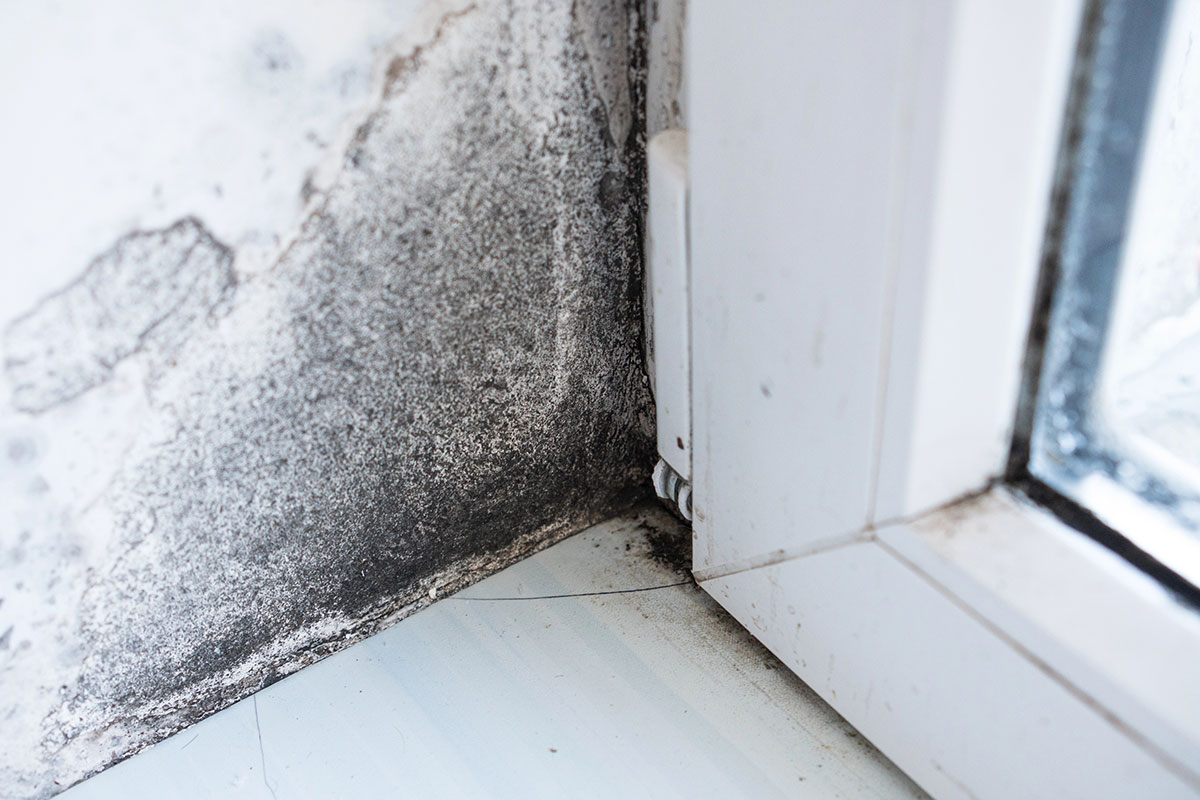
Dripping taps, slow-draining baths, and poorly sealed pipework may seem cosmetic, but over time they contribute to damp — and damp homes create their own compounding problems with mould, respiratory irritation, and structural deterioration.

Doors, Windows, and Entrances

Stiff or warped doors — particularly external ones — are disproportionately problematic for anyone with reduced grip strength, arthritis, or limited mobility. A door that requires real effort to open isn’t just inconvenient; it becomes a barrier to leaving the house independently, which has profound knock-on effects for wellbeing, social connection, and confidence.

Draughty windows and poorly fitted frames compound heating problems, but they also represent a security vulnerability — something that can cause significant anxiety for older people living alone.

Flooring and Internal Surfaces

Lifting carpet edges, cracked or uneven tiles, and worn threshold strips between rooms are among the most common trip hazards in older homes — and they are almost entirely a maintenance issue. These are problems that develop over years of normal wear, often unnoticed until someone catches their foot.

Lighting and Electrical

Outdated wiring, circuit breakers that trip under modern electrical loads, and insufficient lighting — particularly in hallways, stairwells, and bathrooms — are among the less visible maintenance problems with the most serious consequences. Poor lighting is one of the leading environmental contributors to falls in the home.


The Human Side: What Maintenance Neglect Really Costs

It would be easy to frame this purely in terms of physical risk. But the human cost of a home that has become harder to manage runs considerably deeper.

Loss of confidence and independence. When everyday tasks — answering the door, getting in and out of the bath, moving freely between rooms — become effortful or uncertain, people begin to self-restrict. They avoid the stairs. They stop using certain rooms. They feel less sure of themselves in a space that was once completely familiar. That erosion of confidence is gradual and often invisible to others.

Increased anxiety. More than a third (36%) of homeowners aged 55 and over who live in a non-decent home report high or very high levels of anxiety. That is a significant mental health burden — one directly linked to the condition of the home rather than external life events.

Social withdrawal. A home that feels cold, difficult to manage, or embarrassing to invite people into can contribute to isolation. For older people already at risk of loneliness, this is not a trivial concern. The home should be a place of comfort and social connection — not a source of stress.

Strain on family members. Families often carry the unspoken worry of a parent or relative living in a home that isn’t quite right. That worry tends to surface suddenly — after a near-miss, a fall, or an unexpected call — rather than being addressed before it reaches that point.


Why Maintenance Often Gets Deferred

Understanding why older homeowners delay maintenance is important — because it isn’t usually down to indifference. Several factors compound each other:

Fixed incomes and cost anxiety. With no employment income to draw on, the prospect of an undefined bill from a tradesperson can feel genuinely alarming — even when the underlying repair is relatively modest.

Difficulty accessing trustworthy trades. Finding trusted tradespeople is a barrier cited by 29% of older people who need home repairs or adaptations. For those with limited digital literacy or without a network of friends to ask for recommendations, the risk of being overcharged or poorly served feels very real.

The “it’s not that bad yet” threshold. Problems that develop slowly never feel urgent. There is rarely a clear moment at which a stiff door becomes a serious problem — so the decision to act keeps being deferred.

Physical difficulty organising the work. Moving furniture, clearing access, managing contractors across multiple visits — for someone with mobility limitations or cognitive fatigue, the logistical overhead of getting work done can feel overwhelming.


What Good Maintenance Looks Like in Practice

The good news is that tackling home maintenance for older people doesn’t require a wholesale renovation. In most cases, a programme of targeted, planned maintenance — addressing the small issues before they become large ones — is enough to transform the liveability of a home.

Key areas worth reviewing include:

  • Heating systems — annual servicing, thermostat and TRV checks, and insulation assessment
  • Doors and windows — hinge alignment, draught-proofing, handle replacement, lock servicing
  • Flooring — securing loose edges, replacing worn thresholds, addressing uneven surfaces
  • Plumbing — seals, drainage, isolation valves, water pressure
  • Electrics — consumer unit condition, lighting adequacy, socket placement
  • External access — path condition, step integrity, external lighting

None of these are glamorous. None of them will appear on a home renovation programme. But each one can make a meaningful difference to how safe, comfortable, and manageable a home feels.


How Infinity Home Services Can Help

For homeowners across North Essex and South Suffolk, Infinity Home Services offers a practical, multi-trade service that covers the full range of maintenance and repair work described above — from heating and plumbing through to electrical, glazing, flooring, and building works. Rather than coordinating multiple separate contractors, homeowners and their families can work with a single trusted team who understand the property and the person who lives in it.

If you or a family member has been putting off maintenance work, or if you’ve noticed a home becoming quietly harder to manage, a straightforward conversation is a good place to start.


Conclusion

A home that gradually becomes harder to live in rarely announces itself. The changes are slow, the adaptations feel reasonable, and the threshold at which “manageable” tips into “problematic” is easy to miss. But the evidence is clear: 1.5 million people aged 65 and over are currently living in homes that don’t meet the Decent Homes Standard, and behind each of those statistics is a person whose daily life is harder, less safe, or less comfortable than it should be.

Home maintenance for older people isn’t about treating a house as a project — it’s about preserving the independence, confidence, and quality of life of the person who lives there. And the best time to act is always before a problem becomes a crisis.

Ready to take a look at what your home might need?

Call Infinity Home Services on 0800 148 8088 or use the contact form at the bottom of this page — and ask yourself: how much easier could life at home be with a few of the right repairs in place?

By agreeing to this, I agree to receiving updates about our services, promotions, special offers, news and events from Infinity ProServ Ltd (T/a Infinity Home Services) and any sister companies.

Continue reading

What you need to think about for your air conditioning maintenance with summer just around the corner.

Preparing Your AC System for Summer: Air Conditioning Maintenance and Filter Replacement

Preparing Your AC System for Summer: Air Conditioning Maintenance and Filter Replacement

As temperatures begin to rise across the UK, ensuring your home stays cool and comfortable becomes a priority. Air conditioning maintenance is essential for keeping your system running efficiently, avoiding breakdowns, and maintaining good indoor air quality. Yet many homeowners overlook this until problems arise—often at the worst possible time.

In this guide, we’ll explore the common issues linked to poor AC maintenance, the human impact of those problems, and how regular servicing and filter replacement can save you time, money, and stress.
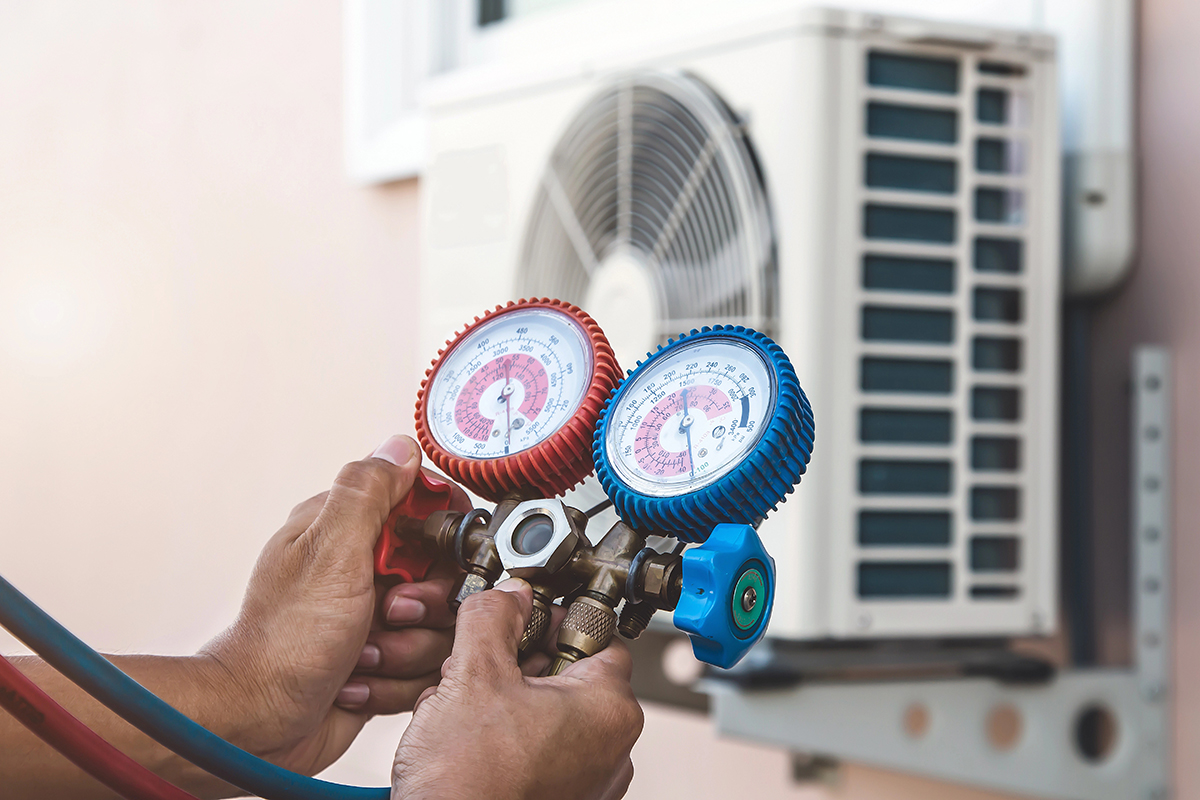

What you need to think about for your air conditioning maintenance with summer just around the corner.

Why Air Conditioning Maintenance Matters

Unlike in hotter climates, air conditioning systems in UK homes often sit idle for long periods. This can lead to hidden issues developing unnoticed. According to the Energy Saving Trust, poorly maintained heating and cooling systems can use up to 20% more energy than well-maintained ones, increasing household bills unnecessarily.

In addition, research from BEAMA suggests that improving system efficiency and maintenance can significantly reduce carbon emissions—an increasingly important consideration for UK households.


Common Problems Caused by Poor AC Maintenance

1. Reduced Cooling Performance

Clogged filters and dirty components restrict airflow, meaning your system struggles to cool your home effectively. This often leads to uneven temperatures and uncomfortable living spaces.

2. Rising Energy Bills

When your AC system has to work harder, it consumes more electricity. This can noticeably increase your energy costs during summer months.

3. Poor Air Quality

Blocked or dirty filters can circulate dust, allergens, and even mould spores. This is particularly problematic for households with children, elderly residents, or anyone with respiratory conditions.

4. Unexpected Breakdowns

Neglecting maintenance increases the likelihood of system failure—often during heatwaves when you need it most. Emergency repairs can be costly and inconvenient.

5. Shortened System Lifespan

Regular wear and tear without servicing can significantly reduce the lifespan of your unit, leading to premature replacement costs.


The Human Impact: More Than Just a Technical Issue

Air conditioning problems aren’t just about machinery—they affect daily life. Poor cooling can disrupt sleep, reduce productivity (especially for those working from home), and create discomfort during hot spells. Poor air quality can also contribute to health issues such as allergies and headaches.

For busy households, dealing with breakdowns or inefficiencies adds unnecessary stress. Preventative maintenance isn’t just practical—it’s about peace of mind.


The Importance of Filter Replacement

Cleaner Air, Healthier Home

Filters trap dust, pollen, and pollutants. Over time, they become clogged and ineffective. Replacing filters regularly ensures cleaner, healthier air inside your home.

Improved Efficiency

A clean filter allows air to flow freely, reducing strain on your system and improving performance.

Cost Savings

According to industry estimates, replacing a dirty filter can improve efficiency by up to 15%, helping to lower energy bills.


Simple Steps to Prepare Your AC for Summer

  • Check and replace filters (every 1–3 months depending on use)
  • Inspect vents and ducts for blockages
  • Clean around the outdoor unit to ensure proper airflow
  • Test your system early before peak summer demand
  • Schedule a professional service for a full system check

How Infinity Home Services Can Help

If you’re unsure where to start or want complete peace of mind, Infinity Home Services offers expert support for homeowners across North Essex and South Suffolk. From routine servicing to diagnosing faults and replacing filters, we help keep your air conditioning system running smoothly when you need it most.

Our team understands both the technical and practical challenges homeowners face, providing reliable, hassle-free solutions tailored to your needs.


Don’t Wait Until It Breaks

Air conditioning maintenance is one of those tasks that’s easy to put off—but doing so can lead to higher costs, discomfort, and avoidable stress. A small amount of preparation now can make a big difference when summer arrives.

Infinity Home Services is here to help you stay cool, comfortable, and worry-free. Call us today on 0800 148 8088 or use our contact form to book your AC service and get your system summer-ready.

Is your air conditioning system ready to handle the heat when it arrives?

By agreeing to this, I agree to receiving updates about our services, promotions, special offers, news and events from Infinity ProServ Ltd (T/a Infinity Home Services) and any sister companies.

Continue reading

This year for Energy Savers Week, why not think about how you can take simple steps to reduce your energy consumption within the home - and your costs!

Energy Savers Week: Why UK Homes Are Losing Heat – and Money

Energy Savers Week: Why UK Homes Are Losing Heat – and Money

On a cold winter morning in Essex, the heating clicks on earlier than usual. The house still feels chilly, the windows mist over, and you make a mental note to “check the boiler one day.” When the energy bill lands a week later, that nagging thought turns into frustration. This is exactly the kind of everyday story that Energy Savers Week was created for – helping households understand where energy (and money) is being wasted, and what can realistically be done about it.

For many homeowners, the issue isn’t just rising prices. It’s hidden inefficiencies, ageing systems, and the stress of not knowing where to start.

This year for Energy Savers Week, why not think about how you can take simple steps to reduce your energy consumption within the home - and your costs!

What Is Energy Savers Week – and Why It Matters

Energy Savers Week is a national campaign designed to raise awareness of energy efficiency, fuel poverty, and practical ways households can reduce energy use. With millions of UK homes built before modern efficiency standards, the campaign highlights a growing problem: homes that are expensive to heat, uncomfortable to live in, and increasingly costly to maintain.

According to the Energy Saving Trust, around 35% of heat loss in an uninsulated home escapes through walls, while 25% is lost through the roof. These losses don’t just affect your wallet – they impact comfort, health, and peace of mind.


The Real Problems Behind Energy Waste in UK Homes

Rising energy costs grab the headlines, but the real issues often sit quietly behind the scenes.

Older Properties and Hidden Heat Loss

Much of North Essex and South Suffolk housing stock was built decades ago. Solid walls, ageing loft insulation, draughty doors, and single-glazed windows all contribute to energy escaping faster than your heating system can replace it.

Inefficient Boilers and Controls

The Ofgem reports that heating accounts for around 55% of the average UK household’s energy use. Older boilers or poorly set controls can waste hundreds of pounds a year without homeowners realising.

The Human Cost

Cold homes are linked to increased respiratory illness, stress, and poor sleep. The NHS has repeatedly highlighted the impact of cold housing on physical and mental health, especially for families with young children or older residents. Energy inefficiency isn’t just technical – it’s personal.


Energy Savers Week and the Opportunity to Take Control

Energy Savers Week: Small Fixes, Big Wins

During Energy Savers Week, the focus is on achievable improvements. Simple actions like sealing draughts, servicing boilers, fixing faulty radiators, or improving insulation can reduce energy bills by hundreds of pounds per year, according to the Energy Saving Trust.

Where Professional Help Makes the Difference

This is where Infinity Home Services can support homeowners. Rather than juggling multiple trades or guessing what’s wrong, local homeowners can rely on one coordinated service to identify and resolve common energy-related issues – from heating faults to insulation-related repairs – all handled through a single helpdesk.

Based in North Essex and South Suffolk, Infinity Home Services understands the realities of local housing and connects homeowners with vetted professionals who can make homes warmer, safer, and more efficient without unnecessary disruption.

Taking the Next Step This Energy Savers Week

Energy Savers Week is a reminder that energy efficiency isn’t about drastic lifestyle changes – it’s about fixing what’s quietly costing you money every day. Whether it’s a boiler that’s overdue a service, a home that never quite warms up, or repairs you’ve been putting off, taking action now can pay dividends for years to come.

If your home feels colder than it should or your energy bills keep creeping up, now is the time to act. Call Infinity Home Services today on 0800 148 8088 or use our contact form below to get expert help from trusted local professionals – how much could you save by making your home work better for you?

By agreeing to this, I agree to receiving updates about our services, promotions, special offers, news and events from Infinity ProServ Ltd (T/a Infinity Home Services) and any sister companies.

Continue reading

Infinity Home Services' engineers can look after your existing, or install new heating distribution such as radiators and pipework throughout your home, keeping you cosy and warm.

Tackling radiator issues before they cost you more

Tackling radiator issues before they cost you more

When National Radiator Day rolls around, it’s not just a gimmick — it’s a timely reminder that homeowners need to pay attention to common radiator problems before winter bites. For many in North Essex, South Suffolk, and beyond, neglecting radiator health can lead to cold rooms, surging energy bills, and stress when breakdowns strike.

Infinity Home Services' engineers can look after your existing, or install new heating distribution such as radiators and pipework throughout your home, keeping you cosy and warm.

Why “National Radiator Day” matters: more than just a campaign

Radiators are the unsung workhorses of UK homes — according to the English Housing Survey, around 90% of homes in England use radiators (or wet central heating systems) as their main heating method. That means nearly every homeowner is potentially affected when something goes wrong.

Yet, survey data shows too many owners skip regular maintenance: just 20% of people check their radiators for faults, and only 25% of households have their heating systems professionally serviced on a routine basis. These gaps leave many homes vulnerable to the worst of radiator problems — especially in colder months.

Let’s walk through the main challenges, the human frustrations they bring, and how to stay ahead of them.


The real challenges behind radiator problems

Radiator issues aren’t just technical annoyances — they affect comfort, bills, and peace of mind. Below are common types and their knock-on effects.

1. Cold or uneven heating

One of the most obvious signs you have a radiator problem is when a radiator stays cold at the top, or a room never seems to reach the desired temperature. This often points to:

  • Air trapped inside the radiator, causing “airlocks”

  • Sludge or debris build-up restricting water flow

  • Faulty thermostatic radiator valves (TRVs) stuck closed

  • Poor system balance (some radiators take priority over others)

  • Pump failure or weak circulation

Left unresolved, cold spots grow, rooms never get cosy, and you may overcompensate by turning up the boiler — increasing wear and your energy bill.

2. Leaks, corrosion, and material wear

Over time, metal radiators suffer wear and tear. Leaks or slow drips may develop around valves or joints. Corrosion (especially in older steel or cast-iron radiators) weakens structure and causes rust flakes to circulate, further clogging the system.

The human cost? Anxiety at the sight of damp patches or staining, and the risk of water damage to plaster, skirting boards, or floor coverings.

3. Noise, banging and gurgling

Nobody wants their heating making a racket. Gurgling, banging, ticking or vibrating sounds often indicate:

  • Trapped air

  • Uneven flow rates

  • Water hammer (sudden pressure changes)

  • Loose pipework or brackets

These noises are not only irritating — they signal the system is under strain. If ignored, parts can loosen or valves can fail.

4. Pressure issues and boiler strain

A radiator problem can drag the whole heating system down. For instance:

  • If the system loses pressure (e.g. due to a leak), the boiler may shut down or struggle

  • Poor radiator flow can force the boiler to operate at higher output (less efficient)

  • Oversized or mismatched radiators make it harder to adopt low‐temperature heat systems later, such as heat pumps

According to a BEIS report, changing radiator performance over time reduces the number of UK homes able to operate comfortably with lower flow temperatures.


The human side: stress, disruption and cost

Behind every radiator issue is a homeowner trying to balance comfort, cost, and inconvenience. Consider:

  • Disruption: Having engineers visit, shutting off rooms, draining pipes

  • Emotional stress: Cold nights, sleeplessness, worry that more will go wrong

  • Unexpected costs: A small repair might lead to a full flush, valve replacement, or even radiator swaps

  • Energy bills rising: Inefficient radiators waste heat — one UK expert warns common radiator mistakes can add £400–£600/year to your heating costs.

All this is exacerbated if you live in older properties common in North Essex or South Suffolk. With solid walls, period features, or mixed heating systems, small inefficiencies become magnified.


How Infinity Home Services can help

As a local heating and plumbing specialist serving North Essex and South Suffolk, Infinity Home Services knows radiator problems inside out. Here’s how we support homeowners:

  • Diagnostics & inspections: We examine your radiator network, check valves, circulation, and pressure to pinpoint the issue.

  • Bleeding, flushing & power-flushing: We can remove sludge and debris efficiently so radiators perform at full output.

  • Valve replacements & radiator swaps: Whether a TRV is stuck or a radiator is beyond repair, we match the right components for your home.

  • System balancing & efficiency tuning: Ensuring all rooms get heat properly, and the boiler runs optimally.

  • Preventive maintenance plans: A regular check schedule to catch faults early and spread costs.

By acting before things escalate, you protect your comfort and budgets for the whole winter ahead.


Tips for homeowners: how to prevent common radiator issues

  1. Bleed your radiators annually — doing so releases trapped air that blocks heat.

  2. Feel your radiators — if the bottom is hot but the top isn’t, there’s a flow issue.

  3. Regular servicing — a qualified engineer should check the whole system yearly.

  4. Install automatic bleed valves — to reduce manual effort.

  5. Use magnetic filters or system inhibitors — to prevent sludge accumulation.

  6. Monitor water pressure — if it drops frequently, it could suggest leaks.

  7. Upgrade inefficent radiators — older models may be undersized or corroded.


Conclusion

“National Radiator Day” is a useful prompt to think about the radiators behind your home’s warmth. Radiator problems — from airlocks and noise to leaks and inefficiency — affect more than just the mechanics. They affect comfort, budgets and peace of mind. With a proactive approach and professional support, you can sidestep breakdowns and expensive repairs.

If you spot signs of trouble, don’t wait until the worst happens — call us or fill in our contact form today so we can restore your heating to full performance.

Contact Us

Ready to fix your radiator woes? Call Infinity Home Services now on 0800 148 8088 or complete our contact form today — and reclaim a warm, worry-free home?

By agreeing to this, I agree to receiving updates about our services, promotions, special offers, news and events from Infinity ProServ Ltd (T/a Infinity Home Services) and any sister companies.

Continue reading

Read about why you should take gas safety seriously in your home and what you can do to keep yourself safe.

Why Gas Safety Week Matters: What Every Homeowner Needs to Know

Why Gas Safety Week Matters: What Every Homeowner Needs to Know

As Gas Safety Week comes round, there’s no better time for UK homeowners to think seriously about their home gas safety check. Gas is essential—it heats our homes, powers cooking, and provides hot water—but when things go wrong, the consequences can be catastrophic. This article explores the problems homeowners face with gas safety, both technical and human, and how you can avoid terrible outcomes. Infinity Home Services, serving North Essex and South Suffolk, are ready to help make sure your home is truly safe.

Read about why you should take gas safety seriously in your home and what you can do to keep yourself safe.

The scale of the problem: statistics you should know

  • Around 50 people die each year in the UK from unintentional carbon monoxide (CO) poisoning; additionally, about 4,000 people visit A&E due to CO exposure.

  • One in five UK homeowners has never had a gas safety check carried out in their home.

  • Accidental deaths from carbon monoxide poisoning are down somewhat — around -7% year on year, and about 46% lower than a decade ago. But other gas-and-vapour-related deaths in homes still occur, and many appliances remain unsafe.

  • Some investigations show that when Gas Safe-registered engineers inspect boilers installed by unqualified fitters, 79% of those boilers are found to be unsafe or classified as “immediately dangerous.”

These statistics make it clear that while overall numbers have improved, serious risks remain—especially where checks, maintenance, or qualifications are lacking.


Types of gas safety problems: technical and human

Technical problems

  1. Poor installation / unqualified technicians: Improperly fitted boilers, gas fires or cookers, badly sealed joints or flues can all lead to leaks of natural gas or CO. As noted above, a large fraction of boilers installed by those without Gas Safe registration are found to be unsafe.

  2. Inadequate maintenance: Even well-installed appliances degrade with age—seals wear, flues block, burners become misaligned. Without regular servicing these issues often remain unseen until danger arises.

  3. Faulty or blocked ventilation / flues: Without correct air supply or exhaust, combustion gases cannot vent properly, leading to a buildup of carbon monoxide or other dangerous gases.

  4. Leaks, corrosion or ageing pipework: Gas pipes can corrode; joints can fail; materials degrade. These pose risk both of fire / explosion and poisoning.

Human (behavioural / awareness) problems

  1. Lack of awareness or under-estimating risk: Many homeowners do not realise when symptoms like headaches, dizziness, nausea might be due to CO. Some believe they can spot danger easily, or think that “it won’t happen to me.”

  2. Ignoring small warning signs: Yellow or orange burner flames, soot or stains on appliances, smells of gas (often described like rotten eggs) are meaningful signs. But homeowners may delay or dismiss them, perhaps due to cost, inconvenience or simply not knowing what they mean.

  3. DIY and “unqualified fixes”: For cost saving or convenience, people sometimes attempt to fix, install or adjust gas appliances without professional, Gas Safe registered help. These fixes might appear to work but can leave hidden dangers.

  4. Neglecting carbon monoxide alarms: Because CO is colourless and odourless, alarm devices are essential. Yet many homes either do not have alarms, or do not test/replace them properly.

  5. Financial barriers: Particularly since energy and living costs have risen, some homeowners might delay checks, servicing or replacing unsafe appliances due to cost. This increases risk.


How homeowners can reduce risk

  • Always hire a Gas Safe registered engineer for installation, servicing or repair work. Check their ID, credentials, and ensure they show Gas Safe registration.

  • Have a proper home gas safety check at least annually. This should include all gas-fired appliances, flues, pipework and ventilation.

  • Install carbon monoxide (CO) alarms in rooms with boilers or gas fires; test them monthly and replace batteries or the device as needed.

  • Be alert to warning signs: unusual smells, discoloured flames, soot or staining, condensation inside glass doors, increased gas bills without obvious reason.

  • Ensure adequate ventilation in rooms where gas appliances are used. Even during cold weather, letting in fresh air prevents gas accumulation.

  • Plan ahead to replace aging appliances rather than waiting for breakdowns. Older equipment tends to be more prone to faults and less efficient.


How Infinity Home Services can help

Based in North Essex and South Suffolk, Infinity Home Services offers professional gas safety services tailored for homeowners. We can conduct full gas safety inspections, service boilers, check all pipework and ventilation, install or test carbon monoxide alarms, and ensure that all work is carried out by Gas Safe registered engineers. By working with us, homeowners can gain peace of mind that their property is safe from gas-related dangers.

Contact Us

Gas Safety Week is about more than just awareness—it’s about action. As a homeowner, your safety depends on regular checks, proper maintenance, professional installation, and responsiveness to warning signs. The statistics show risks remain significant, particularly where gas appliances are neglected or maintained by unqualified people. If you live in North Essex or South Suffolk, Infinity Home Services can help ensure all aspects of your gas system are safe and compliant. Don’t wait until a warning sign becomes a disaster—when will you schedule your gas safety check? Simply complete the form below, or call us today on 0800 148 8088.

By agreeing to this, I agree to receiving updates about our services, promotions, special offers, news and events from Infinity ProServ Ltd (T/a Infinity Home Services) and any sister companies.

Continue reading

Infinity Home Services considers the changes in the UK climate and how that's increasing our desire for air conditioning within the home.

It’s Hotting Up In Here: Why Installing Air Conditioning Could Be a Game-Changer For Your Home

It’s Getting Hot In Here: Why Installing Air Conditioning Could Be a Game-Changer for Your Home

This June, the UK saw record-breaking temperatures with the hottest June on record. 2023 saw additional record shattered that left many of us sweltering in our homes, and this summer has been pretty warm too. We all remember sitting in our homes with every window wide open, curtains drawn, and fans whirring at full speed, yet still suffering at the hands of the oppressive heat. For many homeowners, especially those in areas like North Essex and South Suffolk, these hotter summers are no longer just an anomaly—they’re becoming the norm.

In fact, according to the Met Office, 2022 was the fourth hottest year on record for the UK, with temperatures reaching up to 40.3°C in some parts of the country. As our summers continue to heat up, the idea of installing air conditioning at home is gaining traction, and for good reason. Yet only 5% of UK homes are believed to benefit from Air Conditioning currently, despite a rapid rise in system sales. 

Infinity Home Services considers the changes in the UK climate and how that's increasing our desire for air conditioning within the home.

The Problem with Hotter Summers in the UK

Traditionally, the UK hasn’t needed air conditioning in homes. Our mild climate meant that a few hot days in the summer were manageable with fans and open windows. However, the last few years have shown us that this is no longer sufficient. With more frequent heatwaves, homes are becoming uncomfortably hot, making it difficult to sleep, work, or even relax.

Homes in the UK are typically built to retain heat, which is great for our chilly winters but problematic during the summer. As a result, many houses can become unbearably hot, leading to sleepless nights, lethargy, and general discomfort. Traditional methods of cooling, such as fans or opening windows, often prove inadequate when faced with prolonged periods of intense heat.

The effects of extreme heat are not just physical but also emotional. Prolonged exposure to high temperatures can lead to irritability, stress, and fatigue. For families with young children, elderly relatives, or pets, the situation can be even more concerning, as these groups are particularly vulnerable to heat-related illnesses.

Why Air Conditioning is the Solution

Given these challenges, many homeowners are now considering the benefits of air conditioning. Beyond just cooling your home, modern systems can also improve air quality by filtering out pollutants and allergens, making them an excellent investment for those with respiratory issues.

However, installing air conditioning isn’t just about comfort—it’s about future-proofing your home. As our climate continues to change, having a reliable cooling system will likely become as essential as heating during the winter months. Moreover, homes with air conditioning systems can see an increase in property value, as buyers are increasingly looking for climate-controlled environments.

Air Conditioning can come in a variety of forms, from small or large mobile units, to fully-installed systems running throughout a home using a network of ducting.

The Benefits of a Fully-Installed Air Conditioning System

While some homeowners may consider mobile air conditioning units as a quick fix, they come with their own set of challenges. Mobile units can be noisy, require regular emptying of water tanks, and often struggle to cool larger spaces effectively. They also typically consume more energy, which can lead to higher electricity bills.

On the other hand, a fully-installed air conditioning system offers numerous benefits. These systems are designed to cool your entire home evenly and efficiently, providing consistent comfort throughout. They operate quietly in the background, ensuring you can enjoy a peaceful environment without the constant hum of a mobile unit. Additionally, modern systems are highly energy-efficient, which can help to keep running costs low – typically in the region of 27 – 51p/hour.

Beyond just cooling, many installed systems also offer the ability to filter and purify the air, removing pollutants, allergens, and even odours. This can be particularly beneficial for households with asthma sufferers or those sensitive to airborne particles.

Common Concerns About Installing Air Conditioning

While the benefits are clear, some homeowners have reservations about installing air conditioning, often due to misconceptions about cost and energy consumption.

  1. Initial Costs: The upfront cost of installing an air conditioning system can seem daunting, but when you consider the long-term benefits—such as increased comfort, improved sleep, and enhanced property value—it becomes a worthwhile investment. Additionally, there are various options available to suit different budgets and needs.

  2. Energy Efficiency: Modern air conditioning units are far more energy-efficient than older models. Many systems now come with energy-saving features that allow you to cool your home without significantly increasing your electricity bills. In fact, choosing the right system can lead to energy savings in the long run, especially if allied with solar panels or battery storage.

  3. Maintenance: Like any home system, air conditioning units do require regular maintenance to keep them running efficiently. However, with proper care, these systems are built to last and can provide many years of reliable service. Servicing costs depend on the system, but you wouldn’t expect to pay more than £200 for a fairly typical setup.

  4. Noise: The installation of a true AC system will minimise your disturbance, with units being much quieter than fans or portable units.

Why Choose Infinity Home Services?

At Infinity Home Services, we understand the unique challenges homeowners in North Essex and South Suffolk face when it comes to keeping their homes comfortable during the summer. We offer expert advice and professional installation of air conditioning systems tailored to your specific needs. Our team ensures that every installation is seamless, providing you with peace of mind and a cool, comfortable home.

We can also ensure that your systems continue to work safely and efficiently, with regular servicing available, including filter changes/cleans, coil maintenance and full system maintenance. Duct cleaning is also available.

Contact Us

As UK summers continue to heat up, the decision to install air conditioning in your home is becoming increasingly clear. A fully-installed system not only provides superior comfort and energy efficiency but also adds value to your property. Don’t wait until the next heatwave hits—take action now to ensure your home is ready to handle whatever the weather throws at it.

Ready to make your home a cool oasis this summer? Contact Infinity Home Services today to learn more about our air conditioning installation options. Call us now on 0800 148 8088 or fill out our contact form below to book a free survey!

By agreeing to this, I agree to receiving updates about our services, promotions, special offers, news and events from Infinity ProServ Ltd (T/a Infinity Home Services) and any sister companies.

Continue reading

As the UK's climate changes, Home Air Conditioning is starting to become more common. Here we look at why it may be worth considering the investment.

Do I Really Need Home Air Conditioning in the UK? The Case for Staying Cool at Home

Do I Really Need Home Air Conditioning in the UK? The Case for Staying Cool at Home

On an unusually hot July afternoon, the Roberts family in Colchester found themselves struggling to cool down. The fan in the living room offered little relief, the windows were wide open to no avail, and their young son couldn’t sleep in the stifling heat upstairs. What used to be the odd “scorcher” has slowly become a summer norm—and like many families in North Essex and South Suffolk, they began to ask the question: Do we really need air conditioning in the UK?

As the UK faces rising summer temperatures year on year, many homeowners are reconsidering their cooling options. Once thought of as a luxury reserved for Florida holiday villas or office blocks, home air conditioning is quickly becoming a practical solution for everyday comfort—and even safety.

As the UK's climate changes, Home Air Conditioning is starting to become more common. Here we look at why it may be worth considering the investment.

The Changing Climate: Why Cooling Is No Longer Just a Luxury

In the past, it was easy to dismiss air conditioning as unnecessary in the UK. But recent climate data tells a different story. The Met Office reports that the UK’s average temperature has increased by 1.1°C since the 1980s, with the 10 hottest years on record all occurring since 2003. In July 2022, temperatures hit 40.3°C in Coningsby, Lincolnshire—the UK’s highest temperature ever recorded (Met Office).

Heatwaves are now more frequent and intense. According to Public Health England, between 2020 and 2022, over 2,800 excess deaths were attributed to heat episodes in England alone, according to the UK Health Security Agency. For vulnerable groups like the elderly, young children, and people with existing health conditions, high indoor temperatures can pose serious risks.

And it’s not just about health. Heat impacts our sleep quality, productivity, and even mental wellbeing. A stifling bedroom, a sun-soaked office, or a poorly ventilated kitchen can quickly become unbearable—even dangerous.


Lifestyle, Comfort, and the Case for Home Air Conditioning

Installing air conditioning at home used to feel excessive in the UK—but with modern systems being more energy-efficient and quieter than ever, they’re now a genuinely practical investment. Today’s units offer:

  • Precise temperature control – Keep your home cool without over-chilling it.

  • Air purification features – Reduce allergens and pollutants during high pollen seasons.

  • Energy efficiency – Many systems use inverter technology and smart thermostats to minimise energy use.

And for homeowners now working remotely or hybrid, home comfort is no longer optional—it’s essential. Maintaining a stable indoor temperature helps concentration and supports overall wellbeing.


“Isn’t It Overkill?”

It’s understandable that many UK homeowners remain sceptical. Our climate may still be temperate overall, but microclimates in towns like Chelmsford, Ipswich and Clacton-on-Sea can experience prolonged periods of heat, especially in urban or south-facing properties.

Plus, insulation improvements aimed at keeping homes warm in winter can ironically make overheating in summer worse. Lofts, conservatories, and even bedrooms often become heat traps by mid-afternoon. And while fans and open windows help a little, they offer no protection when outside air is just as hot—or filled with pollen, pollution or noise.

In many cases, a split-system air conditioner (with optional heating functions) is the perfect year-round comfort solution.


How Infinity Home Services Can Help

At Infinity Home Services, we understand that every home—and family—is different. Whether you’re in Colchester, Ipswich, Braintree, Sudbury or Felixstowe, we can advise you on the best cooling and ventilation options tailored to your home, lifestyle, and budget.

Our experienced team works with reliable, energy-efficient air conditioning brands and provides hassle-free installation and aftercare. Whether you’re looking to retrofit a bedroom unit or plan a full-house system, we’re here to help.

Is It Time to Cool Down at Home?

UK summers aren’t what they used to be. Warmer weather is no longer an anomaly—it’s the new normal. While air conditioning might have once seemed unnecessary, it’s becoming a smart, future-proofed investment in your home and wellbeing.

As comfort, health and climate trends shift, perhaps it’s time to ask yourself: Is it worth waiting for another heatwave to make the change? 

If you need help in considering the viability of a home air conditioning installation, then give us a call on 0800 148 8088, or complete the contact form below:

By agreeing to this, I agree to receiving updates about our services, promotions, special offers, news and events from Infinity ProServ Ltd (T/a Infinity Home Services) and any sister companies.

Continue reading

With our summers warming more and more each year, Infinity Home Services looks at the benefits of a Home Air Conditioning Installation to keep your home cool on World Refrigeration Day!

Home Air Conditioning Installation and Why It Matters on World Refrigeration Day

Home Air Conditioning Installation and Why It Matters on World Refrigeration Day

As the UK swelters under the latest heatwave, home air conditioning installation is rapidly becoming a practical solution for everyday homeowners rather than a luxury for the few. Marking World Refrigeration Day on 26 June, it’s the perfect time to reflect on the importance of cooling technology—not just in supermarkets and hospitals, but in our homes too.

With our summers warming more and more each year, Infinity Home Services looks at the benefits of a Home Air Conditioning Installation to keep your home cool on World Refrigeration Day!

Why Home Air Conditioning Installation Is on the Rise in the UK

World Refrigeration Day celebrates the essential role that refrigeration, air conditioning and heat pumps play in modern life. And in the face of increasingly extreme temperatures, there’s never been a better moment to consider the benefits of domestic air conditioning.

According to the Met Office, 2022 was the UK’s hottest year on record, with temperatures exceeding 40°C for the first time ever in parts of England. And looking ahead, UK Climate Projections suggest summer temperatures could rise by up to 5.4°C by 2070, particularly in southern and eastern regions.

This shift brings real problems for households:

  • Overheating bedrooms that prevent restful sleep.

  • Increased health risks for babies, older people, and those with underlying conditions.

  • Discomfort while working from home, especially in upstairs or loft spaces.

  • Overstressed electrical systems from the constant use of fans and makeshift cooling solutions.

Traditional British housing—built for warmth rather than ventilation—struggles to keep up. Thick insulation, sealed windows, and loft conversions with minimal airflow can turn homes into heat traps during the warmer months.


Technical and Lifestyle Challenges of Living in a Hotter Home

Beyond personal discomfort, prolonged heat inside the home can lead to serious technical issues. These include:

  • Damage to electronics and home furnishings, which are sensitive to high temperatures.

  • Increased humidity, encouraging the growth of mould and mildew.

  • Poor air quality, which exacerbates allergies and respiratory conditions.

Air conditioning addresses all these concerns. Today’s systems don’t just cool the air—they filter it, reduce humidity, and run quietly and efficiently. Unlike fans, they offer precise climate control, helping families stay comfortable, sleep better, and protect their homes.


How Infinity Home Services Can Help

At Infinity Home Services, we support homeowners in North Essex and South Suffolk with tailored domestic air conditioning solutions. Whether you’re looking to cool one room or the entire home, our team will guide you through every step—from selecting the right unit to clean, professional installation.

We understand the technical and personal impact of a warming climate, and we’re here to help make your home a more comfortable, future-proof place to live.

A Cool Future Starts Now

As we observe World Refrigeration Day, it’s clear that cooling technology has a growing role to play not just globally, but locally—right here in UK homes. With energy-efficient systems, improved indoor air quality, and long-term savings, home air conditioning installation is an investment in both comfort and health.

So, as the sun continues to blaze and another sleepless night looms, it’s worth asking—is your home ready for the next heatwave? If you’re ready to bring your temperature down, simply call 0800 148 8088, or complete the form below for one of our team to call you back.

By agreeing to this, I agree to receiving updates about our services, promotions, special offers, news and events from Infinity ProServ Ltd (T/a Infinity Home Services) and any sister companies.

Continue reading

This Clean Air Day, Infinity Home Services looks at ways you can help yourself to breathe easier with tips and trips to keeping the air in your home as clean as possible.

Clean Air Day: 5 Ways Your Home Can Help You Breathe Easier

Clean Air Day: 5 Ways Your Home Can Help You Breathe Easier

It started with a cough.

Not a dramatic, chesty cough — just a little tickle that wouldn’t go away. Sarah, a homeowner in Colchester, chalked it up to allergies. But when her 10-year-old began waking up with headaches, and condensation started to collect on the bedroom windows, she knew something wasn’t right. As it turned out, poor indoor air quality was quietly affecting her family’s health.

This Clean Air Day, Infinity Home Services looks at ways you can help yourself to breathe easier with tips and trips to keeping the air in your home as clean as possible.

On Clean Air Day, we’re reminded that the air we breathe indoors is just as important as what’s outside — especially when most of us spend up to 90% of our time inside our homes. In fact, indoor air can be up to five times more polluted than outdoor air, thanks to sources like damp, poor ventilation, and everyday household activities.

If you want to protect your family’s health, here are five ways your home can help you breathe easier — and how simple fixes can make a big difference.


1. Tackle Damp and Mould Before It Spreads

Damp walls aren’t just unsightly — they can harbour mould spores that trigger respiratory problems, asthma, and allergic reactions. According to the NHS, people living with mould in their homes are more likely to suffer from throat irritation and wheezing.

Common signs of damp include musty smells, peeling paint, or condensation on windows. In homes across North Essex and South Suffolk, this is often caused by leaky pipework, poor ventilation, or insulation gaps. Left untreated, it can silently impact your family’s health — especially vulnerable children or elderly relatives.


2. Improve Ventilation in Bathrooms and Kitchens

When steam lingers in the air, it creates the perfect conditions for condensation and mould. Bathrooms and kitchens are the biggest culprits, where showers, baths and cooking all release moisture.

Modern extractor fans, trickle vents, or even small structural changes like adding a window or vented roof panel can vastly improve air flow. If you’ve ever noticed black mould creeping along silicone seals or corners of ceilings, it’s time to act.


3. Keep Heating Systems in Top Shape

It’s easy to forget your boiler when it’s quietly doing its job in a cupboard — but faulty or poorly serviced boilers can release harmful gases like carbon monoxide. According to Gas Safe Register, one in five homes in the UK contain unsafe gas appliances.

An annual service isn’t just a tick-box task — it can protect your household from invisible dangers while keeping your home warm and energy-efficient.


4. Be Aware of Hidden Pollutants Indoors

Many homeowners are surprised to learn that simple things like scented candles, cleaning sprays, or even new furniture can emit volatile organic compounds (VOCs) — gases that may cause headaches, dizziness, and eye irritation.

To reduce these invisible pollutants:

  • Choose fragrance-free or natural cleaning products

  • Allow new furniture to “off-gas” in a ventilated space

  • Add air-purifying plants like peace lilies or spider plants

Cleaner air doesn’t always require high-tech solutions — just a few smart habits and informed choices.


5. Repair the Small Things That Let Air Quality Slip

Sometimes, the biggest problems come from the smallest faults — a cracked window seal, a dripping tap contributing to humidity, or a faulty extractor fan in the utility room.

At Infinity Home Services, we understand how everyday home maintenance connects to your health. From fixing ventilation systems to sealing windows and tackling damp, our trusted team helps homeowners across North Essex and South Suffolk make their homes healthier and safer.


Conclusion: Every Breath Counts

Clean Air Day isn’t just about emissions and traffic — it’s about what’s happening inside our homes, too. The air your children breathe while they sleep, the humidity after your morning shower, the old extractor fan that hasn’t been cleaned in years — they all play a role.

At Infinity Home Services, we believe that everyone deserves to breathe easy in their own home. Whether it’s improving airflow or treating a hidden damp patch, your home could be your first line of defence against air pollution.

So this Clean Air Day, take a moment to pause, look around your home — and ask yourself: what’s in the air you’re breathing?

Ready to Breathe Easier at Home?

If you’ve spotted signs of damp, mould, poor ventilation or just want peace of mind about your home’s air quality, Infinity Home Services is here to help.

Serving homes across North Essex and South Suffolk, our expert team can assess and repair the small issues before they become big problems.

Call us today on 0800 148 8088
or
Fill out our contact form below and we’ll get back to you promptly.

Let’s make your home a place where you and your family can truly breathe easier.

By agreeing to this, I agree to receiving updates about our services, promotions, special offers, news and events from Infinity ProServ Ltd (T/a Infinity Home Services) and any sister companies.

Continue reading

With Wakefield Council issuing the first prosecution to a homeowner for 'pollution' caused by a log burner, Infinity Home Services explores this new raft of legislation.

The First Prosecution for Illegal Use of a Log Burner: A Wake-Up Call for UK Homeowners

The First Prosecution for Illegal Use of a Log Burner: A Wake-Up Call for UK Homeowners

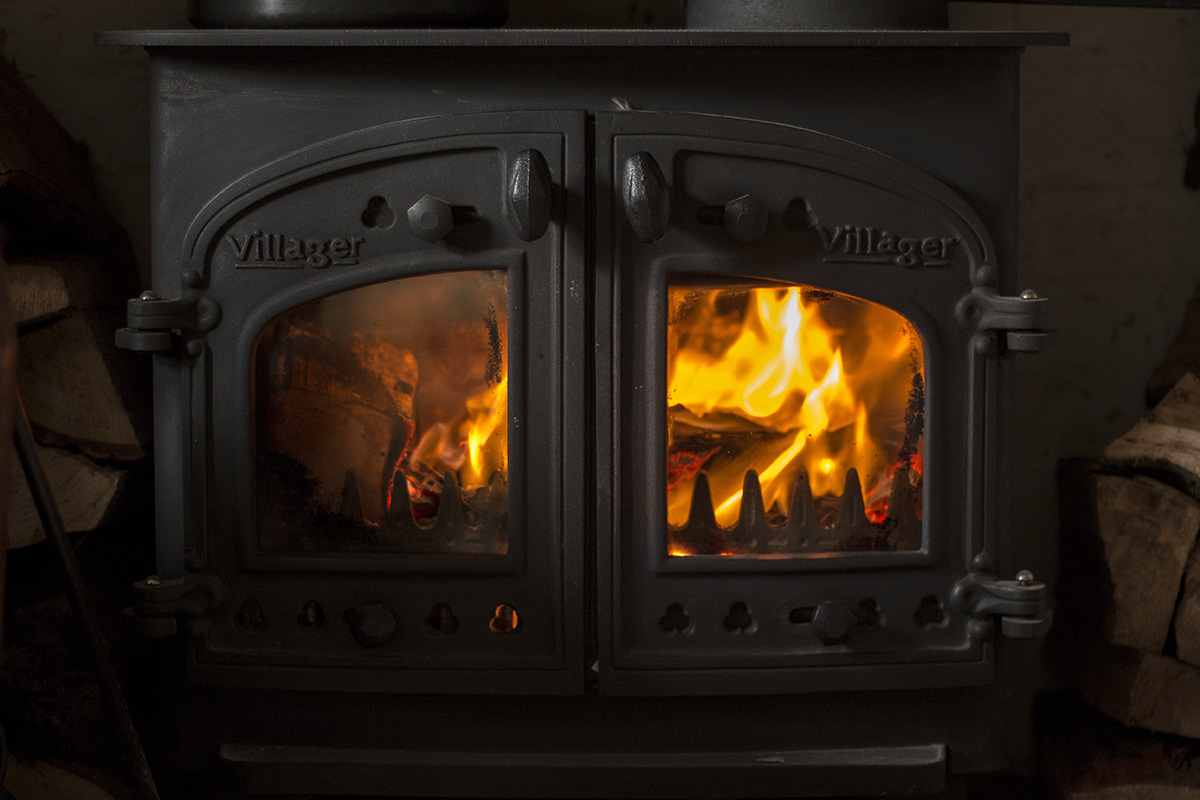
With the crisp autumnal evenings rapidly arriving in North Essex, many of us are dreaming of settling down in front of log burners, basking in the warmth and glow of flickering flames. For those of us installing log burners, we spend months dreaming of cosy nights like this, imagining how the log burner would add charm and comfort to our homes. Little do many people know though, this very appliance, which has become a staple in so many UK households, is now at the centre of a legal storm brewing just a few hundred miles north in West Yorkshire.

Recently, Wakefield Council issued its first-ever fine for the illegal use of a domestic log burner. This landmark prosecution marks a significant shift in the way local authorities are approaching the issue of air quality and environmental health.

With Wakefield Council issuing the first prosecution to a homeowner for 'pollution' caused by a log burner, Infinity Home  Services explores this new raft of legislation.

The Growing Concerns Surrounding Log Burners

In recent years, log burners have become increasingly popular in the UK, with many homeowners opting for them as a source of heat during the colder months. Their appeal is undeniable: they’re aesthetically pleasing, environmentally friendly (or so it seems), and offer a comforting alternative to modern central heating systems. However, the rise in their usage has also led to an increase in air quality complaints, particularly in densely populated areas, including Wakefield, which is covered by a smoke control order.

According to Wakefield Council, between 2019 and 2022, there were 216 complaints related to domestic chimneys within their jurisdiction alone. The council’s new powers, introduced in December, allow environmental health officers to issue fixed penalty notices for “excessive smoke emissions,” with fines starting at £175 and rising to £300 for repeat offenders.

The Health Risks of Using a Log Burner

Many homeowners are unaware of the potential health risks associated with using a log burner. While they may seem like a natural and eco-friendly heating option, research has shown that wood-burning stoves can actually triple the level of harmful pollution inside a home. Even more alarming, an open fire can produce 10 times as much pollution.

The tiny particles emitted from burning wood, known as PM2.5, can penetrate deep into the lungs and even enter the bloodstream, leading to serious health issues such as respiratory problems, heart disease, and stroke. It’s a growing concern, especially in areas where air quality is already compromised.

The First Prosecution: A Sign of Stricter Regulations to Come?

The first penalty issued in Wakefield under these new powers saw a stove owner fined £175, with the possibility of further legal action if the offence is repeated. This move signals a broader crackdown on non-compliant log burners across the country, and it’s likely that more councils will follow suit.

While the new regulations are intended to protect public health and improve air quality, they also serve as a reminder to homeowners to ensure their log burners meet the necessary legal standards. Many people don’t realise that using certain types of solid fuels or unapproved appliances could put them at risk of legal action, not to mention the health risks involved.

How Infinity Home Services Can Help

If you’re concerned about the legality of your log burner or need advice on how to use it safely and efficiently, Infinity Home Services is here to help. Our team of experts can provide you with the guidance and support you need to ensure your log burner is compliant with current regulations.

How To Avoid Prosecution

There are a number of key actions that you can take, or organise in order to keep your log burner working safely and efficiently. These include:

  • Get your chimney swept regularly (up to twice a year) During use soot builds up in the chimney reducing the efficiency and increasing the risk of chimney fires. It is better to use a qualified chimney sweep who will be able to advise you on good burning practices for your open fire or stove.
  • We can also assist with the installation of approved appliances
  • Ensure only suitable fuels are burned to minimise your environmental impact. Suitable types of wood should be dry and ‘ready to burn’; where its moisture content is less than 20 per cent. This means it will have been dried for 2 years or kiln dried. This will reduce emissions and impact on appliance performance. Infinity Home Services can provide wood for burning at competitive prices. All wood sales must be in compliance with Domestic Fuel Rules for England.

A Call to Action for Homeowners

The first prosecution for the illegal use of a log burner is a wake-up call for homeowners across the UK. As regulations tighten and awareness of the health risks grows, it’s more important than ever to ensure your heating system is both safe and legal. Don’t let a cosy night in front of the fire turn into a costly mistake—reach out to Infinity Home Services today for expert advice and support.

Are you confident that your log burner is up to standard, or could you be at risk of the next penalty issued? If you need any assistance with your log burner, please complete the form below, or call 0800 148 8088.

By agreeing to this, I agree to receiving updates about our services, promotions, special offers, news and events from Infinity ProServ Ltd (T/a Infinity Home Services) and any sister companies.

Continue reading