Tag: Maintenance

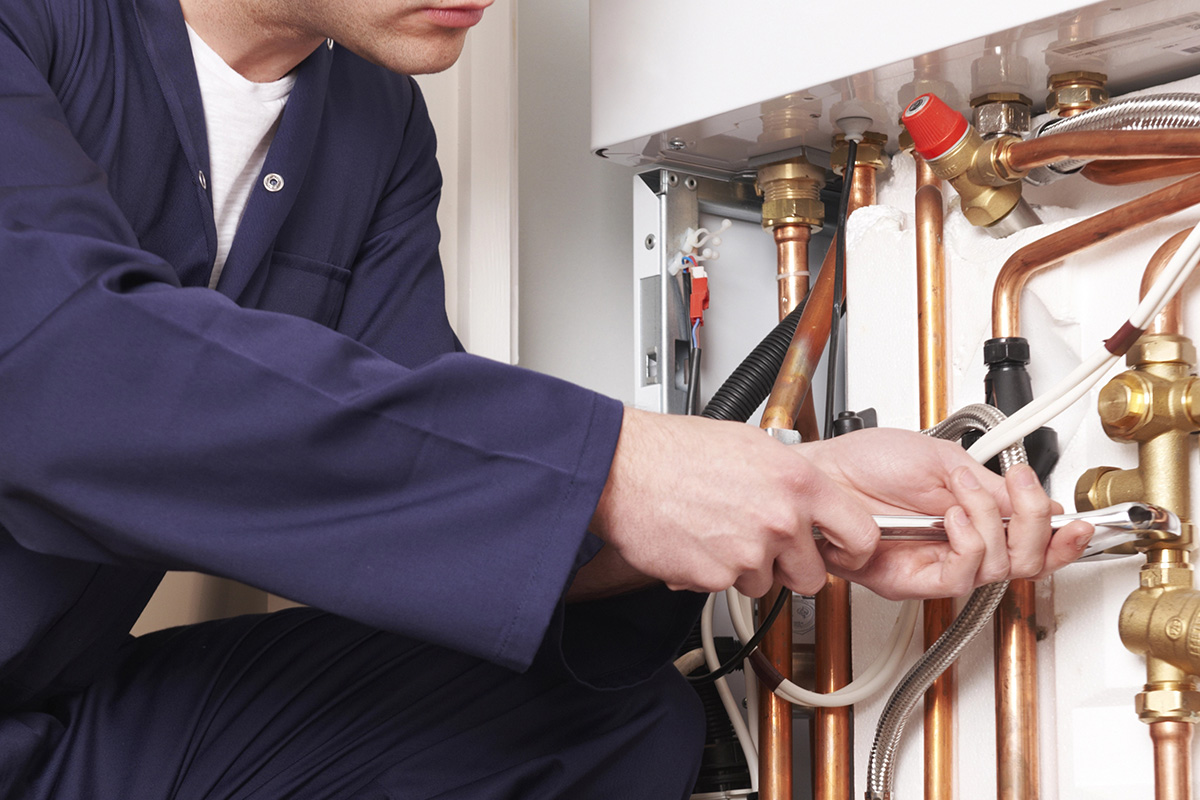
Regular home maintenance is the key to protecting your property and avoiding costly repairs. At Infinity Home Services, we provide reliable home services designed to keep your home in perfect working order all year round. From small repairs to routine upkeep, our skilled team ensures every aspect of your property is safe, functional, and well cared for. Whether it’s fixing a leaky tap, servicing your heating system, or repairing external damage, we’re here to help keep your home running smoothly.


The Benefits of Professional Home Maintenance

Professional maintenance not only keeps your home looking its best but also prevents minor issues from becoming major problems. At Infinity Home Services, we offer comprehensive maintenance solutions covering electrical checks, plumbing repairs, decorating touch-ups, gutter cleaning, and general property upkeep. Our experienced tradespeople work efficiently and with care, ensuring all work meets the highest standards of quality and safety.

We understand that every home is different, which is why our maintenance plans are tailored to your specific needs — whether you require one-off repairs or regular scheduled visits. With prompt service, transparent pricing, and a commitment to reliability, Infinity Home Services provides peace of mind that your property is always in good hands.

Protect your investment and simplify your life with professional home maintenance from Infinity Home Services — #AlwaysThere to keep your home at its best.

Why Winter Is the Best Time For Your Air Conditioning Service

It was late February 2024, and Jessica from Colchester still remembered the chaos of last summer like it was yesterday. After the hottest spell on record — when temperatures in the UK soared above 40°C — her family’s air conditioning unit gave up mid-week, right in the middle of a heatwave. With three young children working from home and temperatures hitting “unbearable,” she wished she’d booked that winter service she kept putting off.

For many homeowners across North Essex, South Suffolk, and beyond, air conditioning has shifted from being a “luxury” to a comfort and wellbeing necessity — and winter is the ideal time to make sure it’s ready for the next warm season. In this article, we explore why getting your air conditioning service in winter should be on every homeowner’s to-do list before the heat returns.
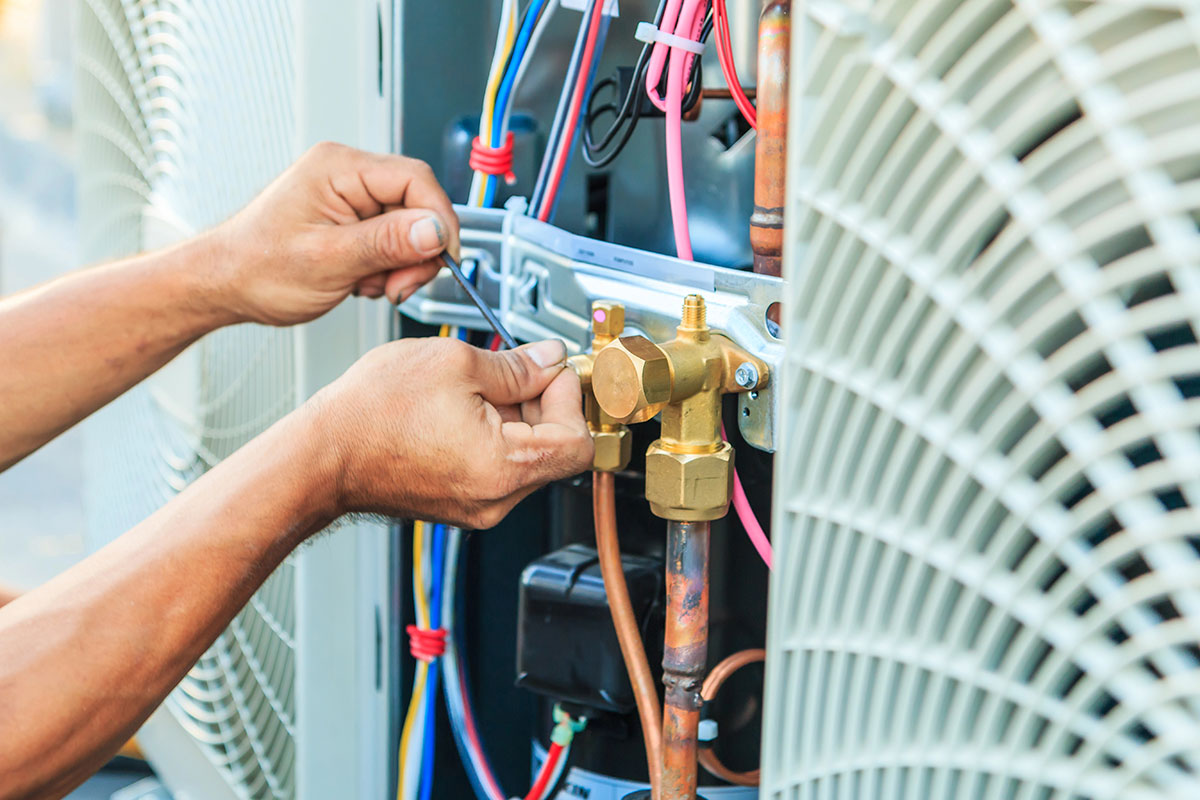

Infinity Home Services look at why you consider getting your air conditioning service in winter.

Why Winter Is the Ideal Time for Your Air Conditioning Service

While winter may seem like the odd season to think about cooling, there are several technical and practical reasons why booking an air conditioning service now will save you stress, money and discomfort later.

1. Beating the Busy Season

In the UK, installers and engineers are busiest in late spring and summer as soon as temperatures begin to climb. Waiting until then could mean long lead times and higher prices. Booking a service in winter means avoiding the rush and securing an inspection slot before demand spikes.

2. Early Fault Detection Saves Money

Similar to a car, an air conditioning system that isn’t regularly checked can develop faults that worsen over time. Professional servicing can detect small problems — such as low refrigerant, worn components or blocked filters — before they become costly breakdowns in peak summer. A well-maintained air conditioner can operate up to 15% more efficiently, lowering energy bills and reducing wear and tear.

3. Preventative Maintenance Boosts Reliability

Winter checks aren’t just about cleaning filters — trained technicians inspect electrical connections, lubricate moving parts, check airflow and ensure the system switches on and off correctly. This comprehensive approach means you’re far less likely to face unexpected failure when temperatures rise.

4. Improve Indoor Air Quality

Even when you’re not cooling your home, your air conditioning system plays a role in filtering dust, pollen and pollutants. Without maintenance, these filters can get blocked and start circulating poor-quality air. In winter, when windows are often shut, indoor air quality matters even more — particularly for children and those with allergies.

5. UK Homes Are Heating Up

Although fewer than 5% of UK homes currently have air conditioning, heatwaves and summer overheating are becoming more common. A study by the University of East London showed that up to 80% of UK homes overheated during summer heatwaves, and use of AC systems has increased sevenfold in recent years.


Human Impact: A Story You Might Relate To

Last summer, many households across East Anglia found themselves scrambling for temporary cooling solutions when thermostats malfunctioned in the heat. One family had to sleep in their lounge with windows wide open — sacrificing sleep, comfort and productivity — because their AC hadn’t been checked and serviced the previous winter.

Stories like this remind us there’s a human cost to postponing maintenance. It’s not just technical — it’s about your family’s wellbeing, comfort, and peace of mind.


How Infinity Home Services Can Help

At Infinity Home Services, we understand that air conditioning is increasingly part of modern life — and that preventative care matters. Our experienced engineers can carry out thorough winter air conditioning servicing for homeowners in North Essex and South Suffolk. We’ll check your system end-to-end, clean essential components, and make sure it’s ready to perform efficiently when you need it next.

Whether you already have a system installed or are considering future upgrades, our team can advise on the best maintenance schedule and help you avoid avoidable repair bills later.


Contact Us

Winter isn’t simply a “quiet” time for cooling — it’s the smart time to service your air conditioning. Early servicing prevents failures, improves efficiency, enhances air quality, and protects your home investment. With rising summer temperatures and more households experiencing overheated living spaces, there’s never been a better reason to prepare now rather than later.

So why wait until the heat returns and everyone else books their service? Ready to make sure your air conditioning is up to the task and avoid last-minute panic?

📞 Call us today on 0800 148 8088 or fill out our contact form to book your winter air conditioning service and enjoy peace of mind all year round.


By agreeing to this, I agree to receiving updates about our services, promotions, special offers, news and events from Infinity ProServ Ltd (T/a Infinity Home Services) and any sister companies.

Continue reading

This year for Energy Savers Week, why not think about how you can take simple steps to reduce your energy consumption within the home - and your costs!

Energy Savers Week: Why UK Homes Are Losing Heat – and Money

Energy Savers Week: Why UK Homes Are Losing Heat – and Money

On a cold winter morning in Essex, the heating clicks on earlier than usual. The house still feels chilly, the windows mist over, and you make a mental note to “check the boiler one day.” When the energy bill lands a week later, that nagging thought turns into frustration. This is exactly the kind of everyday story that Energy Savers Week was created for – helping households understand where energy (and money) is being wasted, and what can realistically be done about it.

For many homeowners, the issue isn’t just rising prices. It’s hidden inefficiencies, ageing systems, and the stress of not knowing where to start.

This year for Energy Savers Week, why not think about how you can take simple steps to reduce your energy consumption within the home - and your costs!

What Is Energy Savers Week – and Why It Matters

Energy Savers Week is a national campaign designed to raise awareness of energy efficiency, fuel poverty, and practical ways households can reduce energy use. With millions of UK homes built before modern efficiency standards, the campaign highlights a growing problem: homes that are expensive to heat, uncomfortable to live in, and increasingly costly to maintain.

According to the Energy Saving Trust, around 35% of heat loss in an uninsulated home escapes through walls, while 25% is lost through the roof. These losses don’t just affect your wallet – they impact comfort, health, and peace of mind.


The Real Problems Behind Energy Waste in UK Homes

Rising energy costs grab the headlines, but the real issues often sit quietly behind the scenes.

Older Properties and Hidden Heat Loss

Much of North Essex and South Suffolk housing stock was built decades ago. Solid walls, ageing loft insulation, draughty doors, and single-glazed windows all contribute to energy escaping faster than your heating system can replace it.

Inefficient Boilers and Controls

The Ofgem reports that heating accounts for around 55% of the average UK household’s energy use. Older boilers or poorly set controls can waste hundreds of pounds a year without homeowners realising.

The Human Cost

Cold homes are linked to increased respiratory illness, stress, and poor sleep. The NHS has repeatedly highlighted the impact of cold housing on physical and mental health, especially for families with young children or older residents. Energy inefficiency isn’t just technical – it’s personal.


Energy Savers Week and the Opportunity to Take Control

Energy Savers Week: Small Fixes, Big Wins

During Energy Savers Week, the focus is on achievable improvements. Simple actions like sealing draughts, servicing boilers, fixing faulty radiators, or improving insulation can reduce energy bills by hundreds of pounds per year, according to the Energy Saving Trust.

Where Professional Help Makes the Difference

This is where Infinity Home Services can support homeowners. Rather than juggling multiple trades or guessing what’s wrong, local homeowners can rely on one coordinated service to identify and resolve common energy-related issues – from heating faults to insulation-related repairs – all handled through a single helpdesk.

Based in North Essex and South Suffolk, Infinity Home Services understands the realities of local housing and connects homeowners with vetted professionals who can make homes warmer, safer, and more efficient without unnecessary disruption.

Taking the Next Step This Energy Savers Week

Energy Savers Week is a reminder that energy efficiency isn’t about drastic lifestyle changes – it’s about fixing what’s quietly costing you money every day. Whether it’s a boiler that’s overdue a service, a home that never quite warms up, or repairs you’ve been putting off, taking action now can pay dividends for years to come.

If your home feels colder than it should or your energy bills keep creeping up, now is the time to act. Call Infinity Home Services today on 0800 148 8088 or use our contact form below to get expert help from trusted local professionals – how much could you save by making your home work better for you?

By agreeing to this, I agree to receiving updates about our services, promotions, special offers, news and events from Infinity ProServ Ltd (T/a Infinity Home Services) and any sister companies.

Continue reading

In National Recycling Week, Infinity Home Services takes a look at how you can help to save the planet.

Household Recycling Challenges – how it really matters this National Recycling Week

Household Recycling Challenges – how it really matters this National Recycling Week

On a crisp November morning in North Essex, Emma and her two young children stood by the kitchen bin. The ‘mixed recycling’ bag was bulging, the black wheelie bin was overflowing, and yet Emma felt uneasy: “Am I doing this right?” she asked her husband. A year earlier they had upgraded their home, added an under-stair storage cupboard for bins and labelled everything clearly – but still the weekly collection brought surprises: items rejected, the bin men leaving extra tags, the council’s website reminding them the wrong item had been included. This story is all too common, especially this week of National Recycling Week as homeowners face the reality of household recycling challenges.

In National Recycling Week, Infinity Home Services takes a look at how you can help to save the planet.

Why household recycling challenges matter

Every home in the UK contributes to the growing waste mountain – yet the recycling system is under strain. In England alone the household waste recycling rate stood at just 44.0% in 2023/24.

According to WRAP, 82% of people admit to placing non-accepted items in their dry recycling bins, and fewer than one in ten feel “very confident” about what can be recycled.

In short: the infrastructure, the habits and the knowledge don’t always line up – and that means domestic consumers often bear the cost, both financially and emotionally.

The human side of the problem

For a domestic homeowner, these challenges can manifest in several ways:

  • Confusion and frustration. You’ve separated your plastics, glass, paper – but the bin men leave a red tag. Was it the wrong plastic? Did you rinse it properly? Do you live in the right council-area with different rules? The uncertainty adds stress.

  • Time and effort. With busy lives, like yours and mine, the extra steps to sort and rinse, remember special collections (bulky items, garden waste, electronic waste) feel like one more thing on the to-do list. The easier option sometimes feels like “bin it and forget it”.

  • Hidden costs. If non-recyclable items get thrown into the wrong bin, local authorities may pass on costs, or more likely recycle staff reject loads leading to more waste going to landfill. That translates into higher council tax, or worse – more services cut.

  • Environmental guilt. Many homeowners care deeply about doing the right thing. When we see stats like “more than a billion recyclable items are incinerated or sent to landfill each year” in the UK, it affects our sense of being responsible citizens.

  • Household logistics. For larger families, older people, those with mobility issues or limited space (such as a mid-terrace in South Suffolk), managing multiple bins and storage is challenging in real life.

Technical and systemic issues behind the scenes

Beyond the obvious human factors are the technical problems driving household recycling challenges:

  • Contamination of streams. Items placed in the wrong bin (for example, a yoghurt pot in the “plastic” when the local authority asks for number-coded plastics) lead to entire loads being rejected. WRAP’s data highlight how contamination remains a major barrier.

  • Limited local capacity or differing rules. Across North Essex and South Suffolk, one council might accept glass in one bag, another requires separate sorting of certain plastics, or garden waste is charged. That inconsistency creates confusion.

  • Collection infrastructure. Recycling rates still hover below 50% in many areas. Nationally the UK recycling rate for households was about 44.1% in 2022, down from 44.6% in 2021.

  • Missed capture and under-utilisation. For example, the recent “Recycle Week” campaign saw a drop in missed capture for key recyclables – but still only reduced from 70% to 64%.

  • Space and bin design limitations. Many homes were not designed with multiple waste-streams in mind. Wheelie bins, under-sink storage, recycling bags – they add clutter and logistic hassle.

How we can help

At Infinity Home Services we understand that for homeowners in North Essex and South Suffolk the challenge of recycling isn’t just an environmental tick-box; it’s a practical part of running a household. Here’s how we support you:

  • Audit and optimise your waste-storage set-up. We can visit and advise on bin placement, shelving, storage bags and signage to make recycling intuitive.

  • Install or upgrade dedicated recycling stations. Whether it’s a tidy under-stair cupboard, a weather-proof outdoor unit for garden waste, or a clear labelling system for plastics/glass, we take care of the practicalities so you don’t have to.

  • Liaise with your local authority and collection rules. We’re familiar with the differing councils in our region and can help you understand what goes where – to reduce rejected loads and avoid cost.

  • Educate your household. We can provide you and your family with easy-to-use guides and reminders so that every member knows what belongs where, reducing confusion, guilt and waste.

Tips for your home this week of National Recycling Week

  • Check your bin labels and local council website – plastic types, glass, mixed recycle… align them.

  • Do a “bin audit” – look at what you throw in the black bin vs what should go out for recycling.

  • Clear some space by the main bins. Install a small shelf or caddy nearby for rinse-items (bottles, jars) so you don’t skip the task.

  • Talk it through with your household: kids, teens, older relatives – everyone needs to know what their job is.

  • Consider an extra outdoor container for garden waste, if you don’t already have one: by 2023/24 the ‘other organics’ stream (garden and mixed food waste) increased by 10.8% to 3.6 million tonnes.

Conclusion

This year’s National Recycling Week is more than a reminder – it’s a moment to tackle the household recycling challenges that many of us face day-to-day. From confusion over what goes where, to inadequate storage space, to inconsistency in local rules, the obstacles are real and practical. But by taking control of your household system and using the right support, you can make your home work for you – rather than against you.

Contact Us

If you’d like help getting your bins, storage and recycling routines streamlined, call us now on 0800 148 8088 or fill in our contact form — are you ready to make recycling simple and stress-free?

By agreeing to this, I agree to receiving updates about our services, promotions, special offers, news and events from Infinity ProServ Ltd (T/a Infinity Home Services) and any sister companies.

Continue reading

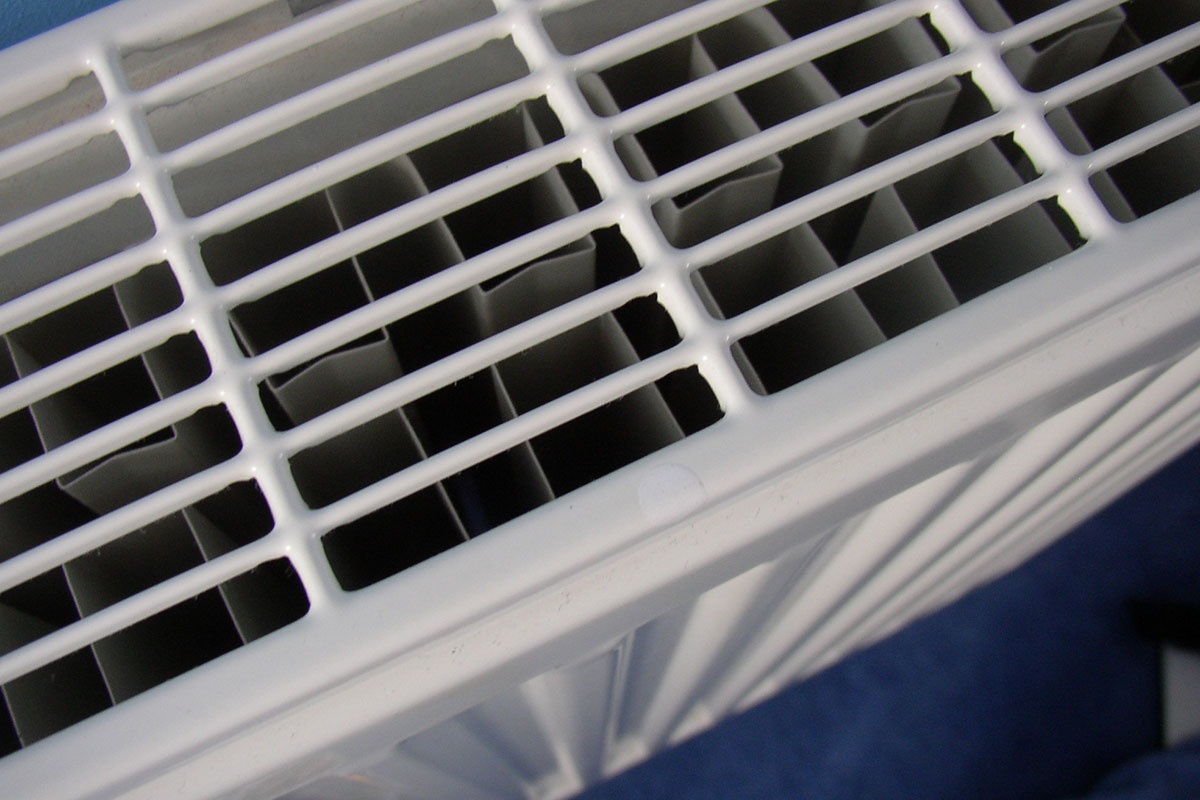
Infinity Home Services' engineers can look after your existing, or install new heating distribution such as radiators and pipework throughout your home, keeping you cosy and warm.

Tackling radiator issues before they cost you more

Tackling radiator issues before they cost you more

When National Radiator Day rolls around, it’s not just a gimmick — it’s a timely reminder that homeowners need to pay attention to common radiator problems before winter bites. For many in North Essex, South Suffolk, and beyond, neglecting radiator health can lead to cold rooms, surging energy bills, and stress when breakdowns strike.

Infinity Home Services' engineers can look after your existing, or install new heating distribution such as radiators and pipework throughout your home, keeping you cosy and warm.

Why “National Radiator Day” matters: more than just a campaign

Radiators are the unsung workhorses of UK homes — according to the English Housing Survey, around 90% of homes in England use radiators (or wet central heating systems) as their main heating method. That means nearly every homeowner is potentially affected when something goes wrong.

Yet, survey data shows too many owners skip regular maintenance: just 20% of people check their radiators for faults, and only 25% of households have their heating systems professionally serviced on a routine basis. These gaps leave many homes vulnerable to the worst of radiator problems — especially in colder months.

Let’s walk through the main challenges, the human frustrations they bring, and how to stay ahead of them.


The real challenges behind radiator problems

Radiator issues aren’t just technical annoyances — they affect comfort, bills, and peace of mind. Below are common types and their knock-on effects.

1. Cold or uneven heating

One of the most obvious signs you have a radiator problem is when a radiator stays cold at the top, or a room never seems to reach the desired temperature. This often points to:

  • Air trapped inside the radiator, causing “airlocks”

  • Sludge or debris build-up restricting water flow

  • Faulty thermostatic radiator valves (TRVs) stuck closed

  • Poor system balance (some radiators take priority over others)

  • Pump failure or weak circulation

Left unresolved, cold spots grow, rooms never get cosy, and you may overcompensate by turning up the boiler — increasing wear and your energy bill.

2. Leaks, corrosion, and material wear

Over time, metal radiators suffer wear and tear. Leaks or slow drips may develop around valves or joints. Corrosion (especially in older steel or cast-iron radiators) weakens structure and causes rust flakes to circulate, further clogging the system.

The human cost? Anxiety at the sight of damp patches or staining, and the risk of water damage to plaster, skirting boards, or floor coverings.

3. Noise, banging and gurgling

Nobody wants their heating making a racket. Gurgling, banging, ticking or vibrating sounds often indicate:

  • Trapped air

  • Uneven flow rates

  • Water hammer (sudden pressure changes)

  • Loose pipework or brackets

These noises are not only irritating — they signal the system is under strain. If ignored, parts can loosen or valves can fail.

4. Pressure issues and boiler strain

A radiator problem can drag the whole heating system down. For instance:

  • If the system loses pressure (e.g. due to a leak), the boiler may shut down or struggle

  • Poor radiator flow can force the boiler to operate at higher output (less efficient)

  • Oversized or mismatched radiators make it harder to adopt low‐temperature heat systems later, such as heat pumps

According to a BEIS report, changing radiator performance over time reduces the number of UK homes able to operate comfortably with lower flow temperatures.


The human side: stress, disruption and cost

Behind every radiator issue is a homeowner trying to balance comfort, cost, and inconvenience. Consider:

  • Disruption: Having engineers visit, shutting off rooms, draining pipes

  • Emotional stress: Cold nights, sleeplessness, worry that more will go wrong

  • Unexpected costs: A small repair might lead to a full flush, valve replacement, or even radiator swaps

  • Energy bills rising: Inefficient radiators waste heat — one UK expert warns common radiator mistakes can add £400–£600/year to your heating costs.

All this is exacerbated if you live in older properties common in North Essex or South Suffolk. With solid walls, period features, or mixed heating systems, small inefficiencies become magnified.


How Infinity Home Services can help

As a local heating and plumbing specialist serving North Essex and South Suffolk, Infinity Home Services knows radiator problems inside out. Here’s how we support homeowners:

  • Diagnostics & inspections: We examine your radiator network, check valves, circulation, and pressure to pinpoint the issue.

  • Bleeding, flushing & power-flushing: We can remove sludge and debris efficiently so radiators perform at full output.

  • Valve replacements & radiator swaps: Whether a TRV is stuck or a radiator is beyond repair, we match the right components for your home.

  • System balancing & efficiency tuning: Ensuring all rooms get heat properly, and the boiler runs optimally.

  • Preventive maintenance plans: A regular check schedule to catch faults early and spread costs.

By acting before things escalate, you protect your comfort and budgets for the whole winter ahead.


Tips for homeowners: how to prevent common radiator issues

  1. Bleed your radiators annually — doing so releases trapped air that blocks heat.

  2. Feel your radiators — if the bottom is hot but the top isn’t, there’s a flow issue.

  3. Regular servicing — a qualified engineer should check the whole system yearly.

  4. Install automatic bleed valves — to reduce manual effort.

  5. Use magnetic filters or system inhibitors — to prevent sludge accumulation.

  6. Monitor water pressure — if it drops frequently, it could suggest leaks.

  7. Upgrade inefficent radiators — older models may be undersized or corroded.


Conclusion

“National Radiator Day” is a useful prompt to think about the radiators behind your home’s warmth. Radiator problems — from airlocks and noise to leaks and inefficiency — affect more than just the mechanics. They affect comfort, budgets and peace of mind. With a proactive approach and professional support, you can sidestep breakdowns and expensive repairs.

If you spot signs of trouble, don’t wait until the worst happens — call us or fill in our contact form today so we can restore your heating to full performance.

Contact Us

Ready to fix your radiator woes? Call Infinity Home Services now on 0800 148 8088 or complete our contact form today — and reclaim a warm, worry-free home?

By agreeing to this, I agree to receiving updates about our services, promotions, special offers, news and events from Infinity ProServ Ltd (T/a Infinity Home Services) and any sister companies.

Continue reading

Infinity Home Services looks at what National Pet Wellness Month really means, and how we can best look after our furry friends.

National Pet Wellness Month: Prioritising Well-being in the Home

National Pet Wellness Month: Prioritising Well-being in the Home

As we mark National Pet Wellness Month, it’s the perfect time for homeowners across North Essex and South Suffolk to reflect on the role pets play in our everyday lives—and the challenges that come with caring for them. Pet wellness month isn’t just about vet check-ups and diets; it also touches on how our homes handle pet waste, pests, fencing, and safe indoor environments. For many households, unmanaged pet-related issues create frustrations, health risks, and even property damage. In this article, we explore the problems associated with pet wellness, the human dimension behind them, and how homeowners can stay ahead—particularly with support from services such as Poop Patrol, pest control, fencing, and pet proofing.

Infinity Home Services looks at what National Pet Wellness Month really means, and how we can best look after our furry friends.

Why Pet Wellness Matters (to More Than Just Pets)

Pets are increasingly viewed as family members, and the UK reflects that emotionally and economically. According to PDSA, 51% of UK adults own a pet; about 28% have a dog (an estimated 10.6 million dogs), and 24% own a cat (≈10.8 million cats). PDSA Also, in a survey by Johnsons Veterinary Products, 59% of UK pet owners admit they prioritise their pet’s wellbeing over their own. 

With that bond comes responsibility—but also stressors. When pet wellness is ignored or inadequately managed, the consequences ripple throughout a home:

  • Health risks — unmanaged waste, parasites, fleas, ticks, and pest infestations can affect both animals and humans.

  • Damage to property — digging, chewing, fence destruction, soil erosion, damp infiltration via pet doors, etc.

  • Behavioural stress — pets may act out (barking, scratching, escape attempts) when they’re uncomfortable, unwell, or lacking safe space.

  • Neighbour relations — waste left in gardens, boundary disputes, pests migrating beyond your property.

Because many households already face pressures—time, cost, space—the technical and practical aspects often become overwhelming. That’s where planning, prevention, and professional support come in.


Common Problems in Pet Wellness Month’s Spotlight

1. Pet Waste Management & Garden Hygiene

One of the least glamorous but most critical aspects is handling pet waste. Left unmanaged, faeces can attract flies, rodents, and parasites (e.g. roundworm). It may also leach nutrients into soil unevenly, cause patches of burnt grass, or stain hard surfaces. Worse, in damp weather it becomes a slip hazard and unpleasant odour point.

Failure in waste management can lead to pest incursions. Rodents are often drawn to concessions of food or organic matter, and faeces can act as a vector in spreading pathogens. Homes in rural or semi-rural areas are especially vulnerable to spill over pests.

2. Fencing Failure and Insecure Boundaries

A common issue is that garden fences or walls are not fully pet-proof. Dogs dig under fences, cats squeeze through gaps, and some pets may climb or jump over. A compromised boundary can result in escapes, confrontations with neighbouring animals, or injury.

Weak or ill-installed fencing also invites unwanted pests or wildlife (foxes, badgers, rodents) into the garden. A fox may tear at a fence board to reach pet food left outdoors.

3. Pest and Parasite Pressure

Pets bring us joy—and, sometimes, fleas, ticks, mites, and fleas can hitch a ride indoors. If not properly controlled, flea infestations can spread to carpets, upholstery, and be dangerous to small children or immunocompromised people.

Rodents in the garden may be attracted to pet food bowls or leftover scraps. Once inside your home’s structure, they can chew wiring, insulation, and even structural timbers, causing fire hazard or structural damage.

The consequences of poor pest control can be far reaching: misuse of pesticides, inadequate proofing, or neglect of exclusion measures can even bring legal consequences in the UK (for harm to non-target animals).

4. Indoor Safety & Pet Proofing

Pets are curious. Cables, plants, chemicals, heaters, windows, and doors all pose risks. In multi-pet homes, conflict zones and resource competition (feeding, litter trays) may stress animals. Without proper pet proofing, pets can damage household components (e.g. chewing cables) or injure themselves (e.g. falling, ingesting toxic substances).

5. Emotional & Stress Factors

When pets are ill, pests abound, or escapes become frequent, the stress falls on the human caregiver. Guilt, anxiety, time pressure, and neighbour tensions escalate. The emotional bond means many owners worry deeply, sometimes delaying or avoiding intervention due to cost or overwhelm—exacerbating problems.


How We Can Help You (Homeowner Support Services)

Infinity Home Services, serving North Essex and South Suffolk, offers a suite of services to help tackle the full spectrum of pet wellness challenges in your home:

  • Poop Patrol — a dedicated pet waste removal and garden cleaning service. Let us regularly collect and dispose of pet waste safely and hygienically, reducing pest attraction and odours.

  • Fencing & boundary solutions — we can design and install pet-proof boundary fences, gates, cat-proof tops, dig‐guard strips, and reinforced panels to keep pets safe and secure.

  • Pest control & exclusion — from rodent proofing to flea and insect treatment, we identify entry points, treat infestations, and seal gaps so pests can’t reinvade.

  • Pet proofing & interior safety audits — inspection of wires, plants, heating accesses, escape routes, and interior risk spots, with remedial work to reduce hazards.

By combining these services, we help maintain both animal welfare and property integrity, relieving the burden on you. A unified approach ensures waste, pests, and structural defects don’t undermine pet wellness.


Practical Tips for Homeowners During National Pet Wellness Month

Here are some actionable steps homeowners can take during pet wellness month (and all year round):

  1. Schedule regular vet check-ups & parasite control – fleas, ticks, worms can have serious health consequences and are best prevented.

  2. Implement a waste removal routine — daily pick-ups, safe bagging, and disposal, ideally along with our Poop Patrol service.

  3. Secure boundaries carefully — a few hours’ work can block escape routes or wildlife access.

  4. Inspect for pest access points — cracks, gaps, drains, roof eaves. Seal them early.

  5. Use integrated pest control — combine traps, exclusion, hygiene, and safe treatments (rather than overreliance on chemicals).

  6. Pet-proof indoors — hide cables, remove toxic plants, supervise curiosities, add rugs or scratching posts.

  7. Communicate with neighbours — letting them know of your pet waste cleaning approach can help avoid disputes.

When in doubt, using professional services is a sound investment: problems left unresolved often compound more costly consequences later.


Conclusion

National Pet Wellness Month is more than a reminder to book a vet check. It’s a call to homeowners to treat their homes as part of the pet’s ecosystem—waste management, structural security, pest control, and interior safety all play their role. The challenges are both technical (fencing failures, pest ingress, proofing) and deeply human (worry, property damage, neighbour friction), but they need not overwhelm you. With a holistic service approach—waste removal, fencing, pest control, and pet proofing—you can protect your pets, your home, and your peace of mind.

Contact Us

Ready to take action? Call us at 0800 148 8088 or fill out our contact form below to get started on your pet-friendly home improvements today?

By agreeing to this, I agree to receiving updates about our services, promotions, special offers, news and events from Infinity ProServ Ltd (T/a Infinity Home Services) and any sister companies.

Continue reading

Infinity Home Services looks at the importance of your Home Maintenance Budgeting as part of Financial Planning Month

Home Maintenance Budgeting: Why Financial Planning Month Matters for Your Home

Home Maintenance Budgeting: Why Financial Planning Month Matters for Your Home

When Sarah and James bought their family home in Colchester, they thought carefully about their mortgage, bills, and school fees. What they didn’t expect was how quickly the costs of running a home would add up — from a leaking roof to an emergency boiler replacement. Without a proper plan, these expenses came as a shock, straining their finances and peace of mind. This October, during Financial Planning Month, it’s a timely reminder that home maintenance budgeting is just as important as pensions, savings, or paying down debt.

Infinity Home Services looks at the importance of your Home Maintenance Budgeting as part of Financial Planning Month

The hidden costs of neglecting your home

Homeownership brings security, but it also comes with responsibility. The average UK household spends around £2,500 a year on home maintenance and repairs. What’s more concerning is that 1 in 5 homeowners delay essential repairs due to cost, which can lead to bigger bills later.

Neglecting small problems can result in:

  • Technical issues: A minor roof tile slip can escalate into major water damage.

  • Financial stress: An unexpected boiler breakdown can wipe out savings in an instant.

  • Emotional impact: Living with draughts, leaks, or unsafe electrics increases stress and reduces quality of life.

Why planning ahead pays off

Home maintenance budgeting isn’t about spending more — it’s about being prepared. Money Helper recommend setting aside 1% of your home’s value annually for repairs and maintenance. For a property worth £250,000, that’s £2,500 a year — close to the national average spend.

By anticipating costs, you avoid sudden financial shocks and make informed decisions on whether to repair, upgrade, or replace. Financial Planning Month is the perfect opportunity to look at your household budget and ask: are you setting enough aside for your home’s upkeep?

How Infinity Home Services can help

Based in North Essex and South Suffolk, Infinity Home Services supports homeowners with practical solutions that ease the burden of unexpected home issues. Whether it’s planned maintenance or urgent repairs, we provide reliable services so you don’t have to face these challenges alone. By helping you keep your home in good condition, we make it easier to stick to your budget and reduce financial stress.

Take control of your home finances

Financial Planning Month is more than just a reminder to review your savings — it’s also a chance to protect your most valuable asset: your home. By creating a realistic home maintenance budget, you safeguard your property, your finances, and your peace of mind.

Ready to plan ahead and avoid costly surprises? Call us today on 0800 148 8088 or use our contact form below because when it comes to your home, prevention is always cheaper than the cure. After all, isn’t your home worth planning for?

By agreeing to this, I agree to receiving updates about our services, promotions, special offers, news and events from Infinity ProServ Ltd (T/a Infinity Home Services) and any sister companies.

Continue reading

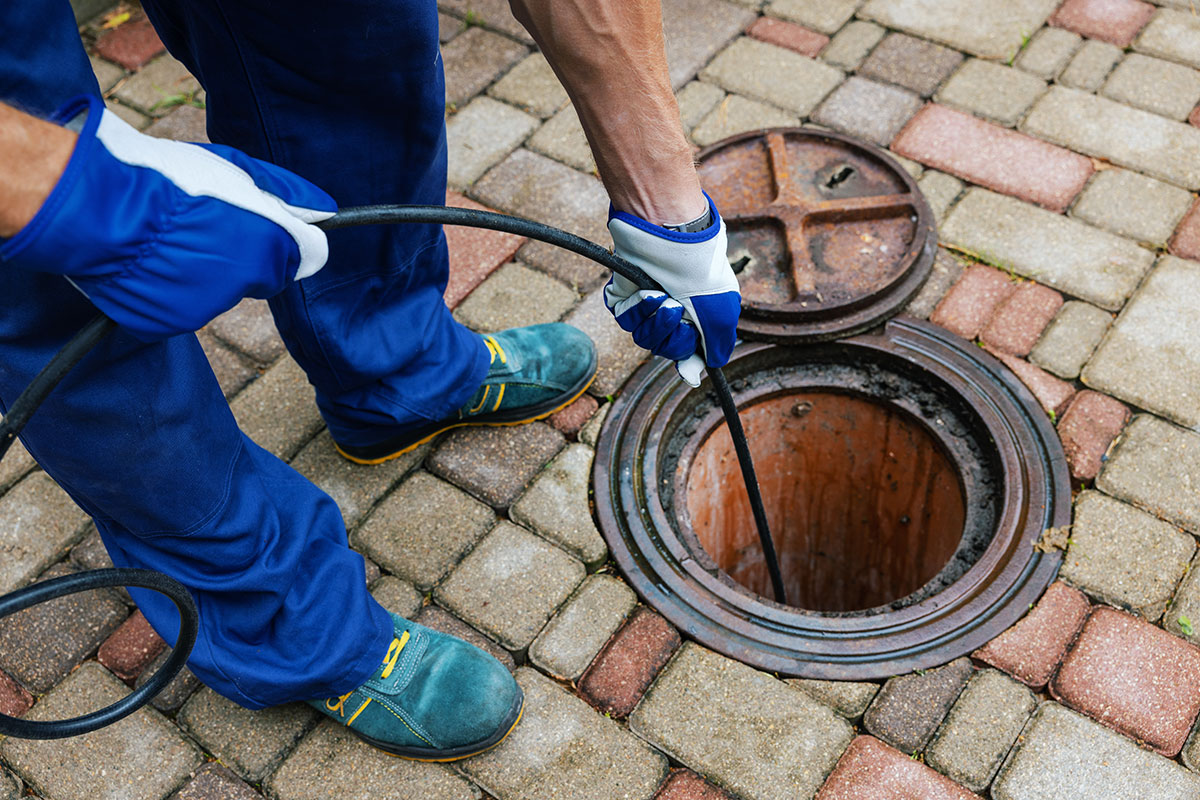
This Blocktober, make sure you can maintain your home's drains and sewer system.

Blocktober / Unblocktober – A Homeowner’s Guide to “Sewers Month” and Why sewer blockage prevention Matters

Blocktober / Unblocktober – A Homeowner’s Guide to “Sewers Month” and Why sewer blockage prevention Matters

October is more than just pumpkins and autumn leaves — it’s increasingly being recognised in some parts of the UK as Unblocktober (or Blocktober) — a month-long focus on raising awareness about sewer health and preventing blockages. For homeowners, this is a timely reminder that what goes down your drains and toilets doesn’t always disappear harmlessly. Understanding the scale of the problem, the human cost, and what steps you can take now can save you from a nasty surprise — and a potentially expensive repair.

In this article, we explore the problems associated with sewer blockages, from technical to emotional impacts, and show how Infinity Home Services (serving North Essex and South Suffolk) can help homeowners avoid and resolve these issues.

This Blocktober, make sure you can maintain your home's drains and sewer system.

Why sewer blockages are a growing concern for domestic properties

The scale of the problem

Sewer blockages in the UK are not a rare occurrence. The trade body Water UK estimates there are around 300,000 sewer blockages each year, costing the country about £100 million to clear. In many cases, these blockages lead to flooding in homes or gardens, or to sewers overflowing into public spaces or watercourses.

In one study, wet wipes — even those labelled “flushable” — made up roughly 93% of the material causing blockages in sampled cases. Other major contributors include fats, oils and greases (FOG), sanitary items, food waste, and non-biodegradable solids.

A local water utility, Thames Water, reports clearing around 75,000 blockages annually in its network alone. Meanwhile, many blockages actually occur on private drains or lateral pipes under homeowners’ responsibility — meaning that the cost and disruption can fall on the homeowner.

Public awareness is increasing, but behaviours still lag. In a 2022 UK Drainage Habits Survey, 65% of respondents admitted to having poured fat or oil down the sink (a major contributing behaviour), and 53% said they’d experienced a blocked drain needing professional help.

Human, financial and emotional impacts

When a sewer blockage strikes, it’s more than just a plumbing inconvenience — for homeowners it can become deeply stressful:

  • Damage and remediation costs: Sewage backing up into bathrooms, kitchens, or gardens can damage flooring, walls, carpets and personal belongings. In many cases the homeowner must bear the cost of professional cleaning, repairs, and possibly replacement items.

  • Health risks and hygiene concerns: Exposure to raw sewage is hazardous. The smell, bacteria and potential contamination (especially in damp corners or under floors) can make living spaces unsafe or unpleasant until fully sanitised.

  • Disruption and stress: The disruption of being unable to use bathroom or kitchen facilities fully, scheduling engineers and managing the clean-up process can weigh heavily on households, especially for families, elderly occupants or those with mobility issues.

  • Insurance and property value: Repeated internal flooding or drainage issues may affect insurance premiums, claims or even future resale value. Some potential buyers may view drainage problems as a red flag.

  • Community/environmental impact: Sewer backups and overflows sometimes result in untreated sewage entering local watercourses, harming wildlife and polluting rivers. In 2024, sewage was discharged into English rivers for over 3.6 million hours via storm overflows — partly driven by blockages.

Because many drainage systems in the UK are ageing (Victorian-era pipes, unadapted to modern waste habits), they are vulnerable to blockages from debris the original systems weren’t designed to cope with.


The root causes of blocked sewers in homes

Misflushes: more than just a “bad habit”

One of the biggest culprits is flushing non-disposable items that don’t break down in water. These include:

  • Wet wipes (including baby wipes, cleaning wipes) — even those labelled “flushable” can be misleading.

  • Sanitary products, tampons, cotton buds

  • Nappies, cotton wool, dental floss, plasters

  • Small plastics and hygiene items

These items can collect and entangle in pipes, causing constrictions or forming the core of a growing blockage or “fatberg,” as they catch additional debris and grease.

Fats, oils and grease (FOG)

Cooking residues in fats and oils are often poured down sinks while still in a liquid state. But once they cool, they solidify and cling to pipe walls. Over time these deposits catch other solids, reducing pipe cross-section and eventually causing major blockages. Some studies estimate that up to 75% of sewer blockages are associated with FOG deposits.

Inadequate design, aging pipes and lack of maintenance

Older pipes may have rough surfaces, cracks or partial collapses that make them more susceptible to clogging. In some cases, tree root ingress or ground movement causes pipes to deform or shift, aggravating blockages. Regular maintenance or inspection is often neglected in private lines, making problems escalate unseen until a major failure occurs.

External surcharge and heavy weather

During heavy rainfall, sewer systems can become overwhelmed (especially combined systems). Excess water can push back into private drains, particularly if blockages already reduce capacity. Also, flooding or surface water intrusion may carry debris into manholes and drain grates, compounding blockages at choke points.


How homeowners can prevent blockages during Blocktober (and year-round)

To turn Blocktober or Unblocktober into a positive period for your home, here are practical actions you can take:

  1. Adopt the “Three Ps Only” rule
    Only flush pee, poo and (toilet) paper — everything else belongs in a bin.
    Even wipes labelled “flushable” should be treated as non-flushable due to their slow breakdown and the way they behave under real sewer conditions.

  2. Dispose of fats responsibly
    After cooking, allow oil, butter or grease to cool, then collect it in a container or onto absorbent paper, and bin it (or recycle where local services permit). Never pour it down the sink.

  3. Use sink and drain strainers
    Place strainers or mesh covers over plugholes to catch food scraps, coffee grounds, hair or debris before they enter the plumbing.

  4. Scrape and pre-wipe plates and pans
    Remove food residue into compost or bin before washing. This prevents solids entering the drain and catching in grease or debris deposits.

  5. Avoid harsh chemicals or DIY “drain cleaners”
    Strong acidic or caustic cleaners can damage older pipes (especially clay or older metal joints). They may remove superficial blockages but can weaken the pipe or joints over time.

  6. Schedule regular checks or jetting
    At least once every few years (or more often for older homes), have a qualified drainage specialist carry out a CCTV survey or flush lines with high-pressure water jetting to clear early build-ups.

  7. Be wary of what enters outdoor drains
    Garden runoff, leaves, grit, building debris or pet waste can enter outdoor drains or gully traps — ensuring grates are intact and clear helps.

  8. Educate your household
    Make sure children, visitors or tenants understand what not to flush or pour — it only takes one mistake to start a blockage.


How Infinity Home Services can assist in the fight against blockages

Based in North Essex and South Suffolk, our team specialises in domestic drainage solutions. Here’s how we can help you:

  • Inspection and diagnosis: Using CCTV pipe inspection, we can locate where blockages or narrowed sections occur (whether within your private drains, connections to public mains, or junctions).

  • Preventative cleaning / jetting: We offer scheduled jetting or pressure flushing to clear build-ups of grease or sediment before they develop into full blockages.

  • Targeted blockage clearance: If you have a blocked sewer or drain, we can remove it safely using appropriate techniques (mechanical rodding, high-pressure jetting) and ensure downstream flow is restored.

  • Advice and home-friendly solutions: We advise on best practices, install strainers or grease traps when required, and help homeowners adopt preventative habits to reduce the risk of recurrence.

With proactive care and the right interventions, the chances of severe sewer trouble can be significantly reduced.

Contact Us

Blocktober or Unblocktober is a valuable reminder to look after one of the hidden systems in our homes — the sewer and drain network that we usually only notice when something goes terribly wrong. Sewer blockages affect hundreds of thousands of homeowners each year, lead to floods, damage, health hazards and cost lives more than just money. But many of those disasters can be prevented with good habits, early inspection, and professional support when needed.

If you live in North Essex or South Suffolk and want to check whether your drainage is healthy — or to take proactive steps to avoid sewer issues altogether — we’re ready to help you take action before the next blockage strikes? Simply complete the form below, or call us today on 0800 148 8088.

By agreeing to this, I agree to receiving updates about our services, promotions, special offers, news and events from Infinity ProServ Ltd (T/a Infinity Home Services) and any sister companies.

Continue reading

As Recycling Awareness Week is upon us, Infinity Home Services look at the importance, and challenges of recycling in the home.

Recycling Awareness Week: tackling household recycling contamination at home

Recycling Awareness Week: tackling household recycling contamination at home

Recycling Awareness Week (the UK’s Recycle Week) runs 22–28 September 2025, making it the perfect moment for homeowners to fix everyday habits that lead to household recycling contamination. Despite years of effort, the UK’s household recycling rate was 44.6% in 2023, up slightly from 44.1% in 2022, which shows progress—but also how much further we’ve got to go. 

As Recycling Awareness Week is upon us, Infinity Home Services look at the importance, and challenges of recycling in the home.

Why Recycling Awareness Week matters

Across the UK, 84% of households unintentionally contaminate their recycling – think drinking glasses in with jars, foil pouches, or toothpaste tubes—causing whole loads to be rejected at sorting facilities.

Contamination isn’t just a technical hiccup; it’s costly. Councils face ~£93 per tonne to dispose of rejected “recycling,” adding ~£48 million a year in extra costs—money that could support better local services.

The human side: why good intentions go wrong

  • Label confusion & mixed rules. Until new rules standardise collections, what’s accepted can differ by council. Many residents “wish-cycle” items because they feel recyclable. From 31 March 2026, England’s Simpler Recycling will require all councils to collect the same core materials (with weekly food-waste collections), helping end confusion.

  • Space, smells, and time. Flats and smaller homes struggle to store multiple bins. Food caddies can feel fiddly, and smells are off-putting—especially when schedules are hectic.

  • Bin anxiety. No one wants the shame of a “contaminated” sticker. That pressure can push people to hide wrong items in general waste rather than check what goes where.

The technical side: how small mistakes cause big problems

  • Bagged recyclables. Plastic bags can jam sorting machinery and force rejections.

  • “Look-alike” items. Drinking glasses are a top contaminant even though they aren’t the same as bottle glass (different melting points).

  • Food residue. Greasy pizza boxes or un-rinsed containers can spoil high-quality paper and card streams.

  • Capacity and cost pressures. In 2023 England generated 21.7 million tonnes of household waste; 9.5 million tonnes were sent for recycling and 12.1 million tonnes remained residual—pressure that magnifies the cost of every rejected load.

Household Recycling Contamination: what it looks like day-to-day (and how to fix it)

  • Wrong glass in the right binFix: bottles & jars only; avoid drinking glasses, cookware, mirrors. Quick 5-second rinse is enough.

  • Soft plastics & pouches in dry recycling → Fix: check retailer take-back schemes or council guidance before tossing.

  • Food waste in general wasteFix: use a caddy; weekly food-waste collections are being mandated across England, so get the habit now.

  • Overflowing paper/cardFix: flatten boxes; keep them dry to preserve quality.

Tip for busy homes: keep a simple “YES/NO” list stuck to the inside of the cupboard where you store your bins. If you’re in North Essex or South Suffolk, your council’s list may soon align with Simpler Recycling, reducing guesswork.

Food waste: the hidden driver of contamination

In 2022, UK households wasted 6.0 million tonnes of food and drink—73% of it edible—and Local Authorities spent £500+ million dealing with household food waste. Using caddies and planning meals reduces smells, saves money, and prevents soggy, contaminated recycling.

What’s changing this Recycling Awareness Week?

  • Recycle Week (22–28 Sept 2025) focuses on “rescuing” commonly binned items—like foil and trigger-spray bottles—by putting them in the right bin.

  • Policy reforms are coming: Simpler Recycling aims to standardise materials and embed weekly food-waste collections, tackling confusion at the source.

  • National progress: the UK’s household recycling rate ticked up to 44.6% in 2023—a nudge in the right direction, but still short of where we want to be.

Household Recycling Contamination: a 10-minute action plan

  1. Print a one-page YES/NO list for your household.

  2. Rinse fast, not perfectly. A quick swill beats a pristine scrub.

  3. Keep paper & card dry. Store them away from the sink.

  4. Start a food-waste routine. Line your caddy; empty little and often.

  5. Avoid “wish-cycling.” If you’re unsure, check your council’s list (and remember that rules are being standardised).

How Infinity Home Services can help

Based in North Essex and South Suffolk, Infinity Home Services can make recycling effortless at home: installing or fixing kitchen caddies and pull-out recycling units, building weatherproof outdoor bin stores, labelling internal bins to match local guidance, and sorting minor household repairs that make “bin night” less of a chore. If contamination or missed collections have left you with a backlog, we can help you get back on track—without the stress.


Contact Us

Recycling Awareness Week is about helping real households do the small, easy things that stop good recycling from turning into costly contamination; if you’d like hands-on help setting up a simpler home system, call Infinity Home Services on 0800 148 8088 or use the contact form below—shall we get your bins sorted this week?

By agreeing to this, I agree to receiving updates about our services, promotions, special offers, news and events from Infinity ProServ Ltd (T/a Infinity Home Services) and any sister companies.

Continue reading

Read about why you should take gas safety seriously in your home and what you can do to keep yourself safe.

Why Gas Safety Week Matters: What Every Homeowner Needs to Know

Why Gas Safety Week Matters: What Every Homeowner Needs to Know

As Gas Safety Week comes round, there’s no better time for UK homeowners to think seriously about their home gas safety check. Gas is essential—it heats our homes, powers cooking, and provides hot water—but when things go wrong, the consequences can be catastrophic. This article explores the problems homeowners face with gas safety, both technical and human, and how you can avoid terrible outcomes. Infinity Home Services, serving North Essex and South Suffolk, are ready to help make sure your home is truly safe.

Read about why you should take gas safety seriously in your home and what you can do to keep yourself safe.

The scale of the problem: statistics you should know

  • Around 50 people die each year in the UK from unintentional carbon monoxide (CO) poisoning; additionally, about 4,000 people visit A&E due to CO exposure.

  • One in five UK homeowners has never had a gas safety check carried out in their home.

  • Accidental deaths from carbon monoxide poisoning are down somewhat — around -7% year on year, and about 46% lower than a decade ago. But other gas-and-vapour-related deaths in homes still occur, and many appliances remain unsafe.

  • Some investigations show that when Gas Safe-registered engineers inspect boilers installed by unqualified fitters, 79% of those boilers are found to be unsafe or classified as “immediately dangerous.”

These statistics make it clear that while overall numbers have improved, serious risks remain—especially where checks, maintenance, or qualifications are lacking.


Types of gas safety problems: technical and human

Technical problems

  1. Poor installation / unqualified technicians: Improperly fitted boilers, gas fires or cookers, badly sealed joints or flues can all lead to leaks of natural gas or CO. As noted above, a large fraction of boilers installed by those without Gas Safe registration are found to be unsafe.

  2. Inadequate maintenance: Even well-installed appliances degrade with age—seals wear, flues block, burners become misaligned. Without regular servicing these issues often remain unseen until danger arises.

  3. Faulty or blocked ventilation / flues: Without correct air supply or exhaust, combustion gases cannot vent properly, leading to a buildup of carbon monoxide or other dangerous gases.

  4. Leaks, corrosion or ageing pipework: Gas pipes can corrode; joints can fail; materials degrade. These pose risk both of fire / explosion and poisoning.

Human (behavioural / awareness) problems

  1. Lack of awareness or under-estimating risk: Many homeowners do not realise when symptoms like headaches, dizziness, nausea might be due to CO. Some believe they can spot danger easily, or think that “it won’t happen to me.”

  2. Ignoring small warning signs: Yellow or orange burner flames, soot or stains on appliances, smells of gas (often described like rotten eggs) are meaningful signs. But homeowners may delay or dismiss them, perhaps due to cost, inconvenience or simply not knowing what they mean.

  3. DIY and “unqualified fixes”: For cost saving or convenience, people sometimes attempt to fix, install or adjust gas appliances without professional, Gas Safe registered help. These fixes might appear to work but can leave hidden dangers.

  4. Neglecting carbon monoxide alarms: Because CO is colourless and odourless, alarm devices are essential. Yet many homes either do not have alarms, or do not test/replace them properly.

  5. Financial barriers: Particularly since energy and living costs have risen, some homeowners might delay checks, servicing or replacing unsafe appliances due to cost. This increases risk.


How homeowners can reduce risk

  • Always hire a Gas Safe registered engineer for installation, servicing or repair work. Check their ID, credentials, and ensure they show Gas Safe registration.

  • Have a proper home gas safety check at least annually. This should include all gas-fired appliances, flues, pipework and ventilation.

  • Install carbon monoxide (CO) alarms in rooms with boilers or gas fires; test them monthly and replace batteries or the device as needed.

  • Be alert to warning signs: unusual smells, discoloured flames, soot or staining, condensation inside glass doors, increased gas bills without obvious reason.

  • Ensure adequate ventilation in rooms where gas appliances are used. Even during cold weather, letting in fresh air prevents gas accumulation.

  • Plan ahead to replace aging appliances rather than waiting for breakdowns. Older equipment tends to be more prone to faults and less efficient.


How Infinity Home Services can help

Based in North Essex and South Suffolk, Infinity Home Services offers professional gas safety services tailored for homeowners. We can conduct full gas safety inspections, service boilers, check all pipework and ventilation, install or test carbon monoxide alarms, and ensure that all work is carried out by Gas Safe registered engineers. By working with us, homeowners can gain peace of mind that their property is safe from gas-related dangers.

Contact Us

Gas Safety Week is about more than just awareness—it’s about action. As a homeowner, your safety depends on regular checks, proper maintenance, professional installation, and responsiveness to warning signs. The statistics show risks remain significant, particularly where gas appliances are neglected or maintained by unqualified people. If you live in North Essex or South Suffolk, Infinity Home Services can help ensure all aspects of your gas system are safe and compliant. Don’t wait until a warning sign becomes a disaster—when will you schedule your gas safety check? Simply complete the form below, or call us today on 0800 148 8088.

By agreeing to this, I agree to receiving updates about our services, promotions, special offers, news and events from Infinity ProServ Ltd (T/a Infinity Home Services) and any sister companies.

Continue reading

As the UK's climate changes, Home Air Conditioning is starting to become more common. Here we look at why it may be worth considering the investment.

Do I Really Need Home Air Conditioning in the UK? The Case for Staying Cool at Home

Do I Really Need Home Air Conditioning in the UK? The Case for Staying Cool at Home

On an unusually hot July afternoon, the Roberts family in Colchester found themselves struggling to cool down. The fan in the living room offered little relief, the windows were wide open to no avail, and their young son couldn’t sleep in the stifling heat upstairs. What used to be the odd “scorcher” has slowly become a summer norm—and like many families in North Essex and South Suffolk, they began to ask the question: Do we really need air conditioning in the UK?

As the UK faces rising summer temperatures year on year, many homeowners are reconsidering their cooling options. Once thought of as a luxury reserved for Florida holiday villas or office blocks, home air conditioning is quickly becoming a practical solution for everyday comfort—and even safety.

As the UK's climate changes, Home Air Conditioning is starting to become more common. Here we look at why it may be worth considering the investment.

The Changing Climate: Why Cooling Is No Longer Just a Luxury

In the past, it was easy to dismiss air conditioning as unnecessary in the UK. But recent climate data tells a different story. The Met Office reports that the UK’s average temperature has increased by 1.1°C since the 1980s, with the 10 hottest years on record all occurring since 2003. In July 2022, temperatures hit 40.3°C in Coningsby, Lincolnshire—the UK’s highest temperature ever recorded (Met Office).

Heatwaves are now more frequent and intense. According to Public Health England, between 2020 and 2022, over 2,800 excess deaths were attributed to heat episodes in England alone, according to the UK Health Security Agency. For vulnerable groups like the elderly, young children, and people with existing health conditions, high indoor temperatures can pose serious risks.

And it’s not just about health. Heat impacts our sleep quality, productivity, and even mental wellbeing. A stifling bedroom, a sun-soaked office, or a poorly ventilated kitchen can quickly become unbearable—even dangerous.


Lifestyle, Comfort, and the Case for Home Air Conditioning

Installing air conditioning at home used to feel excessive in the UK—but with modern systems being more energy-efficient and quieter than ever, they’re now a genuinely practical investment. Today’s units offer:

  • Precise temperature control – Keep your home cool without over-chilling it.

  • Air purification features – Reduce allergens and pollutants during high pollen seasons.

  • Energy efficiency – Many systems use inverter technology and smart thermostats to minimise energy use.

And for homeowners now working remotely or hybrid, home comfort is no longer optional—it’s essential. Maintaining a stable indoor temperature helps concentration and supports overall wellbeing.


“Isn’t It Overkill?”

It’s understandable that many UK homeowners remain sceptical. Our climate may still be temperate overall, but microclimates in towns like Chelmsford, Ipswich and Clacton-on-Sea can experience prolonged periods of heat, especially in urban or south-facing properties.

Plus, insulation improvements aimed at keeping homes warm in winter can ironically make overheating in summer worse. Lofts, conservatories, and even bedrooms often become heat traps by mid-afternoon. And while fans and open windows help a little, they offer no protection when outside air is just as hot—or filled with pollen, pollution or noise.

In many cases, a split-system air conditioner (with optional heating functions) is the perfect year-round comfort solution.


How Infinity Home Services Can Help

At Infinity Home Services, we understand that every home—and family—is different. Whether you’re in Colchester, Ipswich, Braintree, Sudbury or Felixstowe, we can advise you on the best cooling and ventilation options tailored to your home, lifestyle, and budget.

Our experienced team works with reliable, energy-efficient air conditioning brands and provides hassle-free installation and aftercare. Whether you’re looking to retrofit a bedroom unit or plan a full-house system, we’re here to help.

Is It Time to Cool Down at Home?

UK summers aren’t what they used to be. Warmer weather is no longer an anomaly—it’s the new normal. While air conditioning might have once seemed unnecessary, it’s becoming a smart, future-proofed investment in your home and wellbeing.

As comfort, health and climate trends shift, perhaps it’s time to ask yourself: Is it worth waiting for another heatwave to make the change? 

If you need help in considering the viability of a home air conditioning installation, then give us a call on 0800 148 8088, or complete the contact form below:

By agreeing to this, I agree to receiving updates about our services, promotions, special offers, news and events from Infinity ProServ Ltd (T/a Infinity Home Services) and any sister companies.

Continue reading