Tag: Electrical

Electrical services are an essential part of maintaining a safe and functional home. At Infinity Home Services, we provide expert installation, maintenance, and repair services for homeowners across the region. From lighting upgrades and socket installations to full rewires and safety inspections, our qualified electricians deliver dependable workmanship that meets the highest standards of safety and compliance.


The Benefits of Professional Electrical Services

Electrical work should always be handled by experienced, certified professionals — and that’s exactly what you’ll get with Infinity Home Services. Our team ensures that every project, big or small, is completed safely, efficiently, and to current UK electrical regulations. Whether you’re renovating a property, fitting a new kitchen, or simply updating your lighting, we’ll make sure your electrical systems are modern, energy-efficient, and built to last.

Our comprehensive services include lighting design, rewiring, fuse board upgrades, outdoor electrics, and safety testing (EICR). We work with care and attention to detail, ensuring minimal disruption to your home and complete peace of mind for you and your family.

At Infinity Home Services, we take pride in providing honest advice, transparent pricing, and reliable service from start to finish. Whatever your electrical needs, our skilled team is #AlwaysThere to keep your home running safely and efficiently.

Starting to Think About Christmas Lighting: Why Early Planning Matters

Starting to Think About Christmas Lighting: Why Early Planning Matters

Why Plan Christmas Lighting Early?

It’s the elephant in the room, but we’re now well inside of 100 days to Christmas! As autumn turns colder and the evenings draw in, many UK homeowners begin to picture their homes twinkling with festive cheer. But leaving Christmas lighting planning until the last minute often leads to stress, wasted money, and even safety risks. By starting early, you give yourself time to design, source, and install a display that looks great, works reliably, and keeps energy use under control. In areas like North Essex and South Suffolk, where damp, windy conditions can add complications, getting ahead of the game means fewer headaches when the festive rush arrives.

You might not want to think about it, but now is the right time to start considering what you're going to do with your Christmas Lights

Common Problems with Last-Minute Lighting

When homeowners delay, a few common problems often crop up — both practical and human.

Technical Issues

  • Limited stock and higher prices: According to a 2023 Which? report, nearly 40% of shoppers found festive lights out of stock by December. Leaving things late means less choice, higher costs, and sometimes resorting to low-quality products.

  • Electrical faults left undiscovered: Old lights pulled from the loft may have frayed wires or broken bulbs. If you only check them the day you plan to decorate, you’ll either take risks or scramble for replacements.

  • Unsafe installation conditions: Wet or freezing weather makes ladders unstable and cables harder to secure, increasing risk of accidents.

Human Elements

  • Stress and pressure: Rushing to meet a self-imposed deadline (often before guests arrive) leads to hasty decisions and unsafe shortcuts.

  • Impulse buying: When under time pressure, many homeowners grab whatever is left on shelves — often less efficient, less durable products.

  • Neighbourly comparisons: The “keeping up with the Joneses” effect means people sometimes push beyond what’s manageable or safe.


Why Early Action Pays Off

Getting ahead with Christmas lighting planning provides a number of benefits:

  • Better design control: You can sketch out your display, match colours and themes, and think about power supply.

  • Safer setup: Checking equipment in advance means you can replace unsafe or non-compliant lights before installation.

  • Energy savings: Switching to LEDs can cut energy use by up to 90% compared to older incandescent lights. Starting early gives you time to research the best options.

  • Avoiding stress: With lights sorted weeks in advance, you can enjoy the run-up to Christmas rather than rushing to fix problems.

  • Better timing: Installing on a dry weekend in late November is safer and more pleasant than doing it in mid-December rain.


Key Safety Reminders

Even with perfect planning, it’s important not to overlook safety:

  • Around 350 people a year in the UK are injured by Christmas tree lights, through falls, shocks, or burns.

  • Over 3 million households leave their Christmas tree lights on overnight, greatly increasing fire risk.

Starting early means you have time to inspect lights properly, choose certified products, and plan safe installation.


How Infinity Home Services Can Help

Infinity Home Services supports homeowners across North Essex and South Suffolk by making Christmas lighting simple and stress-free. Whether you need help checking your existing lights for faults, advice on energy-efficient options, or safe installation outdoors, our experienced team can help make sure your home shines bright for the holidays without unnecessary risks.


Contact Us

Christmas lighting can bring huge joy to your home and neighbourhood — but only if it’s safe, reliable, and thoughtfully planned. By starting now, you’ll have the best choice of products, safer installation conditions, and peace of mind when the season arrives. Wouldn’t you rather relax with a festive drink than be stuck on a ladder in the December rain?

Simply complete the form below, or call us today on 0800 148 8088.

By agreeing to this, I agree to receiving updates about our services, promotions, special offers, news and events from Infinity ProServ Ltd (T/a Infinity Home Services) and any sister companies.

Continue reading

It’s Hotting Up In Here: Why Installing Air Conditioning Could Be a Game-Changer For Your Home

It’s Getting Hot In Here: Why Installing Air Conditioning Could Be a Game-Changer for Your Home

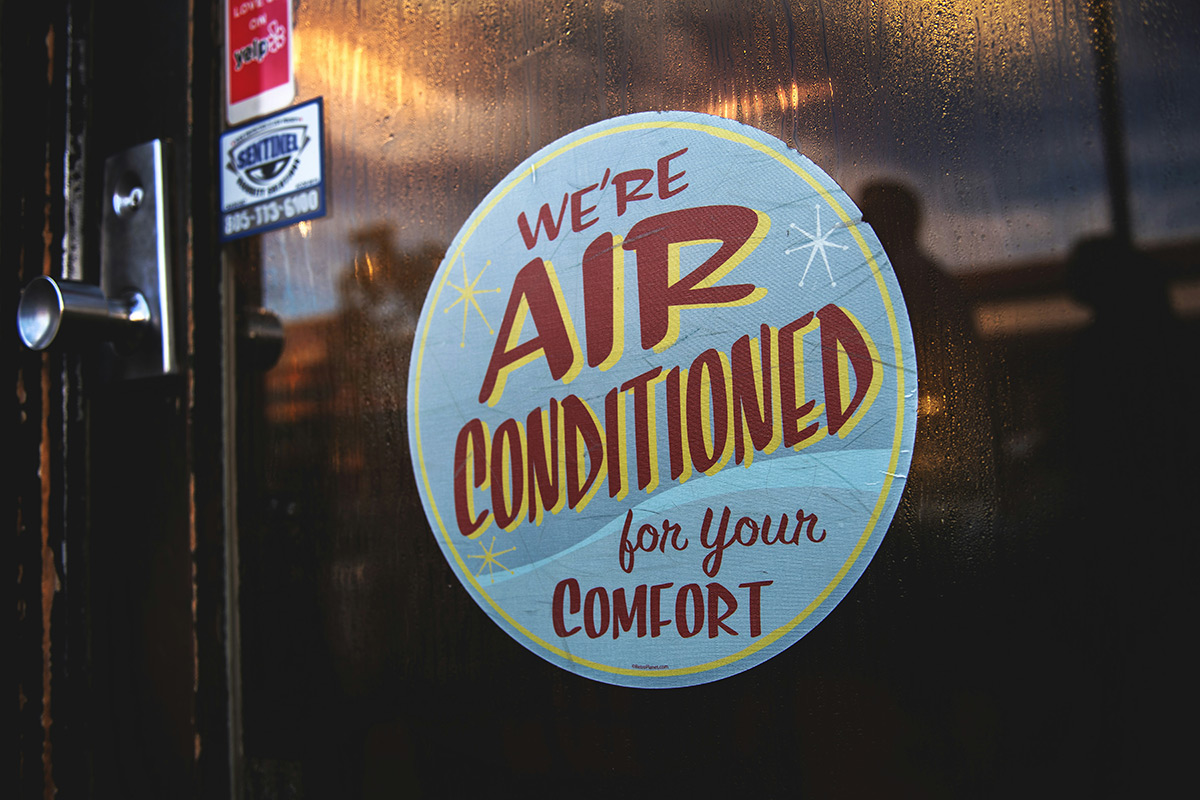
This June, the UK saw record-breaking temperatures with the hottest June on record. 2023 saw additional record shattered that left many of us sweltering in our homes, and this summer has been pretty warm too. We all remember sitting in our homes with every window wide open, curtains drawn, and fans whirring at full speed, yet still suffering at the hands of the oppressive heat. For many homeowners, especially those in areas like North Essex and South Suffolk, these hotter summers are no longer just an anomaly—they’re becoming the norm.

In fact, according to the Met Office, 2022 was the fourth hottest year on record for the UK, with temperatures reaching up to 40.3°C in some parts of the country. As our summers continue to heat up, the idea of installing air conditioning at home is gaining traction, and for good reason. Yet only 5% of UK homes are believed to benefit from Air Conditioning currently, despite a rapid rise in system sales. 

Infinity Home Services considers the changes in the UK climate and how that's increasing our desire for air conditioning within the home.

The Problem with Hotter Summers in the UK

Traditionally, the UK hasn’t needed air conditioning in homes. Our mild climate meant that a few hot days in the summer were manageable with fans and open windows. However, the last few years have shown us that this is no longer sufficient. With more frequent heatwaves, homes are becoming uncomfortably hot, making it difficult to sleep, work, or even relax.

Homes in the UK are typically built to retain heat, which is great for our chilly winters but problematic during the summer. As a result, many houses can become unbearably hot, leading to sleepless nights, lethargy, and general discomfort. Traditional methods of cooling, such as fans or opening windows, often prove inadequate when faced with prolonged periods of intense heat.

The effects of extreme heat are not just physical but also emotional. Prolonged exposure to high temperatures can lead to irritability, stress, and fatigue. For families with young children, elderly relatives, or pets, the situation can be even more concerning, as these groups are particularly vulnerable to heat-related illnesses.

Why Air Conditioning is the Solution

Given these challenges, many homeowners are now considering the benefits of air conditioning. Beyond just cooling your home, modern systems can also improve air quality by filtering out pollutants and allergens, making them an excellent investment for those with respiratory issues.

However, installing air conditioning isn’t just about comfort—it’s about future-proofing your home. As our climate continues to change, having a reliable cooling system will likely become as essential as heating during the winter months. Moreover, homes with air conditioning systems can see an increase in property value, as buyers are increasingly looking for climate-controlled environments.

Air Conditioning can come in a variety of forms, from small or large mobile units, to fully-installed systems running throughout a home using a network of ducting.

The Benefits of a Fully-Installed Air Conditioning System

While some homeowners may consider mobile air conditioning units as a quick fix, they come with their own set of challenges. Mobile units can be noisy, require regular emptying of water tanks, and often struggle to cool larger spaces effectively. They also typically consume more energy, which can lead to higher electricity bills.

On the other hand, a fully-installed air conditioning system offers numerous benefits. These systems are designed to cool your entire home evenly and efficiently, providing consistent comfort throughout. They operate quietly in the background, ensuring you can enjoy a peaceful environment without the constant hum of a mobile unit. Additionally, modern systems are highly energy-efficient, which can help to keep running costs low – typically in the region of 27 – 51p/hour.

Beyond just cooling, many installed systems also offer the ability to filter and purify the air, removing pollutants, allergens, and even odours. This can be particularly beneficial for households with asthma sufferers or those sensitive to airborne particles.

Common Concerns About Installing Air Conditioning

While the benefits are clear, some homeowners have reservations about installing air conditioning, often due to misconceptions about cost and energy consumption.

  1. Initial Costs: The upfront cost of installing an air conditioning system can seem daunting, but when you consider the long-term benefits—such as increased comfort, improved sleep, and enhanced property value—it becomes a worthwhile investment. Additionally, there are various options available to suit different budgets and needs.

  2. Energy Efficiency: Modern air conditioning units are far more energy-efficient than older models. Many systems now come with energy-saving features that allow you to cool your home without significantly increasing your electricity bills. In fact, choosing the right system can lead to energy savings in the long run, especially if allied with solar panels or battery storage.

  3. Maintenance: Like any home system, air conditioning units do require regular maintenance to keep them running efficiently. However, with proper care, these systems are built to last and can provide many years of reliable service. Servicing costs depend on the system, but you wouldn’t expect to pay more than £200 for a fairly typical setup.

  4. Noise: The installation of a true AC system will minimise your disturbance, with units being much quieter than fans or portable units.

Why Choose Infinity Home Services?

At Infinity Home Services, we understand the unique challenges homeowners in North Essex and South Suffolk face when it comes to keeping their homes comfortable during the summer. We offer expert advice and professional installation of air conditioning systems tailored to your specific needs. Our team ensures that every installation is seamless, providing you with peace of mind and a cool, comfortable home.

We can also ensure that your systems continue to work safely and efficiently, with regular servicing available, including filter changes/cleans, coil maintenance and full system maintenance. Duct cleaning is also available.

Contact Us

As UK summers continue to heat up, the decision to install air conditioning in your home is becoming increasingly clear. A fully-installed system not only provides superior comfort and energy efficiency but also adds value to your property. Don’t wait until the next heatwave hits—take action now to ensure your home is ready to handle whatever the weather throws at it.

Ready to make your home a cool oasis this summer? Contact Infinity Home Services today to learn more about our air conditioning installation options. Call us now on 0800 148 8088 or fill out our contact form below to book a free survey!

By agreeing to this, I agree to receiving updates about our services, promotions, special offers, news and events from Infinity ProServ Ltd (T/a Infinity Home Services) and any sister companies.

Continue reading

Clean Air Day: 5 Ways Your Home Can Help You Breathe Easier

Clean Air Day: 5 Ways Your Home Can Help You Breathe Easier

It started with a cough.

Not a dramatic, chesty cough — just a little tickle that wouldn’t go away. Sarah, a homeowner in Colchester, chalked it up to allergies. But when her 10-year-old began waking up with headaches, and condensation started to collect on the bedroom windows, she knew something wasn’t right. As it turned out, poor indoor air quality was quietly affecting her family’s health.

This Clean Air Day, Infinity Home Services looks at ways you can help yourself to breathe easier with tips and trips to keeping the air in your home as clean as possible.

On Clean Air Day, we’re reminded that the air we breathe indoors is just as important as what’s outside — especially when most of us spend up to 90% of our time inside our homes. In fact, indoor air can be up to five times more polluted than outdoor air, thanks to sources like damp, poor ventilation, and everyday household activities.

If you want to protect your family’s health, here are five ways your home can help you breathe easier — and how simple fixes can make a big difference.


1. Tackle Damp and Mould Before It Spreads

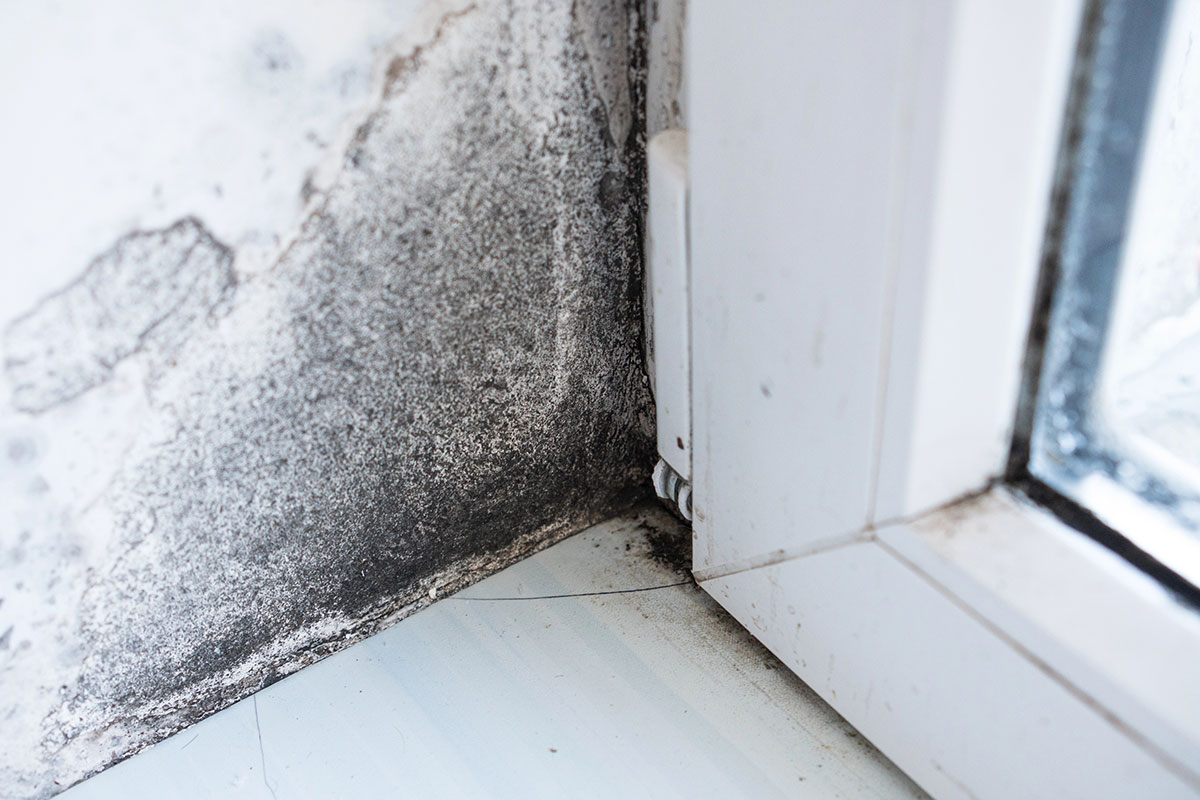
Damp walls aren’t just unsightly — they can harbour mould spores that trigger respiratory problems, asthma, and allergic reactions. According to the NHS, people living with mould in their homes are more likely to suffer from throat irritation and wheezing.

Common signs of damp include musty smells, peeling paint, or condensation on windows. In homes across North Essex and South Suffolk, this is often caused by leaky pipework, poor ventilation, or insulation gaps. Left untreated, it can silently impact your family’s health — especially vulnerable children or elderly relatives.


2. Improve Ventilation in Bathrooms and Kitchens

When steam lingers in the air, it creates the perfect conditions for condensation and mould. Bathrooms and kitchens are the biggest culprits, where showers, baths and cooking all release moisture.

Modern extractor fans, trickle vents, or even small structural changes like adding a window or vented roof panel can vastly improve air flow. If you’ve ever noticed black mould creeping along silicone seals or corners of ceilings, it’s time to act.


3. Keep Heating Systems in Top Shape

It’s easy to forget your boiler when it’s quietly doing its job in a cupboard — but faulty or poorly serviced boilers can release harmful gases like carbon monoxide. According to Gas Safe Register, one in five homes in the UK contain unsafe gas appliances.

An annual service isn’t just a tick-box task — it can protect your household from invisible dangers while keeping your home warm and energy-efficient.


4. Be Aware of Hidden Pollutants Indoors

Many homeowners are surprised to learn that simple things like scented candles, cleaning sprays, or even new furniture can emit volatile organic compounds (VOCs) — gases that may cause headaches, dizziness, and eye irritation.

To reduce these invisible pollutants:

  • Choose fragrance-free or natural cleaning products

  • Allow new furniture to “off-gas” in a ventilated space

  • Add air-purifying plants like peace lilies or spider plants

Cleaner air doesn’t always require high-tech solutions — just a few smart habits and informed choices.


5. Repair the Small Things That Let Air Quality Slip

Sometimes, the biggest problems come from the smallest faults — a cracked window seal, a dripping tap contributing to humidity, or a faulty extractor fan in the utility room.

At Infinity Home Services, we understand how everyday home maintenance connects to your health. From fixing ventilation systems to sealing windows and tackling damp, our trusted team helps homeowners across North Essex and South Suffolk make their homes healthier and safer.


Conclusion: Every Breath Counts

Clean Air Day isn’t just about emissions and traffic — it’s about what’s happening inside our homes, too. The air your children breathe while they sleep, the humidity after your morning shower, the old extractor fan that hasn’t been cleaned in years — they all play a role.

At Infinity Home Services, we believe that everyone deserves to breathe easy in their own home. Whether it’s improving airflow or treating a hidden damp patch, your home could be your first line of defence against air pollution.

So this Clean Air Day, take a moment to pause, look around your home — and ask yourself: what’s in the air you’re breathing?

Ready to Breathe Easier at Home?

If you’ve spotted signs of damp, mould, poor ventilation or just want peace of mind about your home’s air quality, Infinity Home Services is here to help.

Serving homes across North Essex and South Suffolk, our expert team can assess and repair the small issues before they become big problems.

Call us today on 0800 148 8088
or
Fill out our contact form below and we’ll get back to you promptly.

Let’s make your home a place where you and your family can truly breathe easier.

By agreeing to this, I agree to receiving updates about our services, promotions, special offers, news and events from Infinity ProServ Ltd (T/a Infinity Home Services) and any sister companies.

Continue reading

Making the Switch to EV Charging Easier and More Affordable

Making the Switch to EV Charging Easier and More Affordable

The UK government has introduced key changes to make electric vehicle EV charging installations simpler and more cost-effective for both homeowners and businesses. One of the most impactful updates is the removal of the need for planning applications when installing EV charge points—whether on private driveways or in public spaces. This change can save individuals and organisations up to £1,100 per year in associated costs and delays.

Changes to planning laws surrounding EV Charging units should further promote this technology.

No More Planning Applications for EV Charging

This new regulation streamlines the process of setting up EV chargers by removing the red tape that previously slowed progress. By eliminating the requirement for planning permission, EV drivers and property owners can now install charge points with far less hassle—accelerating the UK’s transition to cleaner, greener transport.

Whether you’re looking to install a charger at home or at your workplace, this change means quicker turnaround, fewer approvals, and reduced overall cost.

Government Funding: Up to £350 Toward Installation

To further support the transition to electric vehicles, the government continues to offer financial assistance through the EV Charge Point Grant. This provides up to £350 or 75% of the total installation cost (whichever is lower) for domestic properties.

Eligible recipients include:

  • Renters (with landlord permission)

  • Flat owners (with freeholder/building management approval)

  • Homes with off-street parking

  • Landlords installing multiple charge points (residential or commercial)

Landlords can apply for up to 200 grants per year for residential properties and up to 100 for commercial premises, making it a cost-effective solution for upgrading older buildings or expanding amenities across portfolios.

Key Benefits

These regulatory changes and funding opportunities offer clear advantages:

  • Homeowners: Faster, cheaper installations without the usual paperwork.

  • Businesses: Easier implementation of workplace charging to support staff and sustainability goals.

  • Landlords: Increased property value and attractiveness to tenants, with substantial grant support.

How Infinity Home Services Can Help

At Infinity Home Services, we offer a full-service solution for EV charge point installation. While the process may seem simple, ensuring full compliance with electrical safety standards, building regulations, and any site-specific considerations requires experienced professionals.

Our qualified electrical team understands the technical requirements of EV installations and can manage the process from start to finish—including advising on grant eligibility, selecting the right equipment, and ensuring safe, compliant setup.

Whether you’re a homeowner, landlord, or business, Infinity Home Services provides tailored support to help you make the most of this opportunity.

Contact Us

Contact Infinity Home Services today to speak with our experienced team about your EV charging requirements. Either call now on 0800 148 8088, or use the contact form below:

By agreeing to this, I agree to receiving updates about our services, promotions, special offers, news and events from Infinity ProServ Ltd (T/a Infinity Home Services) and any sister companies.

Continue reading

Behind the Walls: How Home Maintenance for Interiors Shape the Homes We Love

Behind the Walls: How Home Maintenance for Interiors Shape the Homes We Love

Don’t you just love looking after your home maintenance for interiors in your home? Laura had finally saved enough to redecorate her flat in Wivenhoe. Walls were painted in calming tones. New flooring laid. A handcrafted shelf from a local artisan proudly displayed family photos. It was everything she’d imagined—until a month later, she noticed a faint brown stain spreading in the corner of the living room.

It was a slow leak. Undetected for years. The beautiful shelf? Warped. The new paint? Bubbling. What was meant to be a joyful transformation turned into costly repair work—and an emotional blow.

Too often, homeowners pour time, money, and energy into making their homes beautiful, only to have underlying issues undo all their efforts. On World Interiors Day, it’s worth remembering: true beauty begins beneath the surface.

Think about the hidden home maintenance for interiors in your home ahead of completing expensive renovation to avoid a costly mistake.

The Foundation of Style: Function First

In the UK, over 54% of homeowners have experienced an interior issue caused by poor or outdated maintenance—from damp and rot to electrical faults and plumbing failures. And with over 70% of British homes built before 1980, it’s no surprise that hidden infrastructure issues often lurk behind fresh paint and stylish décor.

Interior design is about more than finishes and furnishings—it’s about how a home works for the people inside it. That means safe electrics, proper ventilation, effective plumbing, and dry walls. A leaky pipe doesn’t just ruin ceilings—it can impact mental wellbeing, stress levels, and even lead to family disputes when a beautiful space becomes uninhabitable.


Home Maintenance for Interiors: The Overlooked Essential

While it’s easy to get caught up in colour palettes and Pinterest boards, savvy homeowners know that home maintenance for interiors is what keeps everything looking—and feeling—right.

Key areas to inspect before redecorating:

  • Damp & Ventilation: Mould isn’t just ugly—it’s a serious health risk. The NHS links mould exposure to respiratory issues and allergies.

  • Plumbing & Water Damage: Small leaks can cause thousands of pounds in damage if left unchecked.

  • Electrical Safety: Old or unsafe wiring isn’t just a fire risk—it can also limit your lighting and appliance plans.

  • Structural Movement: Even small cracks could signal bigger shifts that affect walls, floors, and the longevity of your interior finishes.

In a recent survey by Checkatrade, 62% of homeowners said they regretted not getting a professional inspection before a major interior project. It’s not just about damage—it’s about peace of mind.


We Help Build the Unseen

At Infinity Home Services, we understand that the best interiors are built on solid foundations. Based in North Essex and South Suffolk, we support homeowners with everything from plumbing inspections to damp surveys and electrical safety checks—making sure your next design project doesn’t come undone by what’s hidden behind the scenes.

Whether you’re planning a kitchen refurb or a full home makeover, our expert teams help identify and solve the problems you can’t see—so your vision can thrive without costly surprises later.


Design That Lasts: A Conclusion

This World Interiors Day, take a moment to look beyond the surface. Whether you’re dreaming of a minimalist kitchen or a cosy reading nook, start by asking the right questions about your home’s condition. Because when the unseen works well, everything else falls into place—beautifully.

Are you ready to make sure your home is as sound as it is stylish?

Contact Us

Before you pick up the paintbrush, make sure the walls behind it won’t let you down. Serving North Essex & South Suffolk, our experts will uncover hidden issues so your next makeover stands the test of time. Ready to start on solid ground? Call 0800 148 8088 or complete the form below for us to contact you.

By agreeing to this, I agree to receiving updates about our services, promotions, special offers, news and events from Infinity ProServ Ltd (T/a Infinity Home Services) and any sister companies.

Continue reading

Solar: Your Questions Answered

Solar: Your Questions Answered…

Embarking on the journey towards solar energy is an exciting step for UK homeowners seeking to reduce energy costs and embrace a more sustainable lifestyle. As you delve into the realm of solar photovoltaic (PV) systems, questions inevitably arise, each one a crucial piece in the puzzle of understanding how this energy source can transform your home. From the practicalities of installation to the long-term benefits for your wallet and the planet, navigating the world of PV requires clarity and insight. In this comprehensive guide, Infinity Home Services address the key questions that homeowners like you are asking as you contemplate harnessing the power of the sun to illuminate your life. So, let’s dive in and unravel the mysteries of solar PV, paving the way for a brighter, greener future for your home and beyond.

Solar: Your Questions Answered. Infinity ProServ explores Solar PV as an energy source and how it can benefit your home.

How PV works

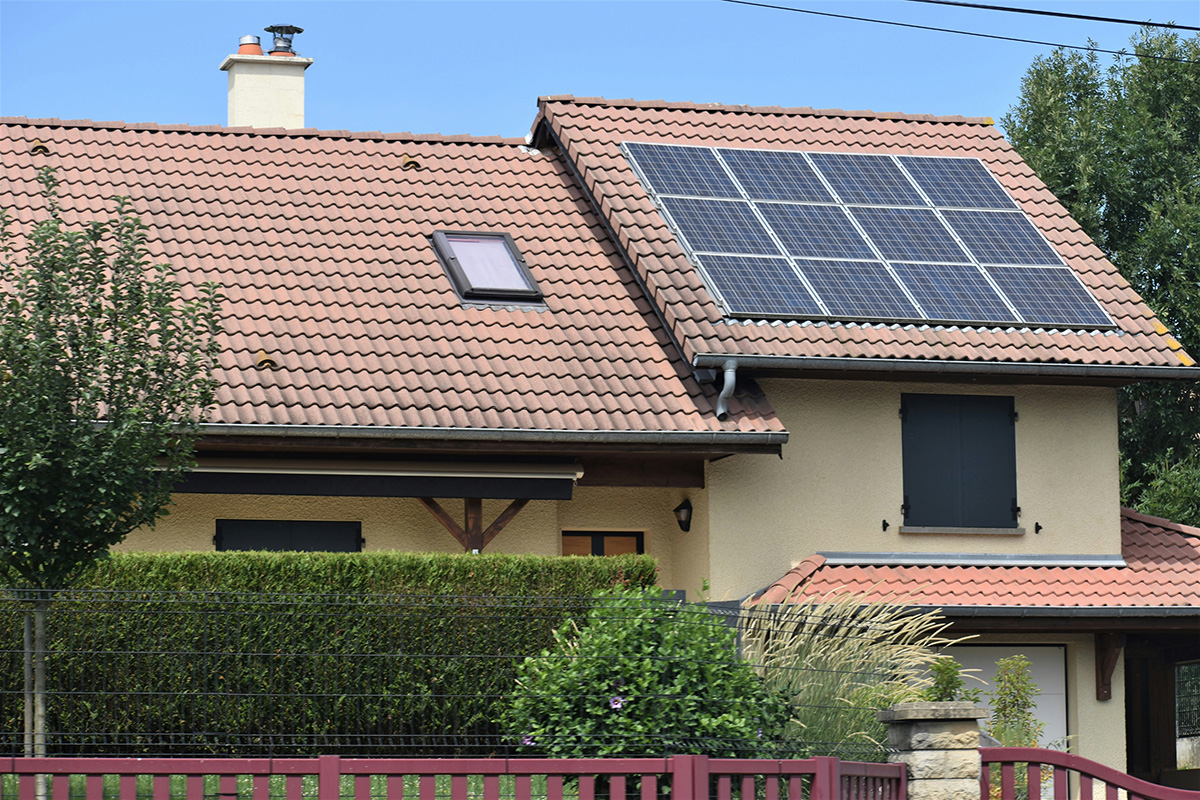
Solar photovoltaic (PV) systems work by converting sunlight into electricity using semiconductor materials within the solar panels. Each cell consists of layers of silicon-based materials that create an electric field when exposed to sunlight. When sunlight hits the panels, photons knock electrons loose from atoms, generating an electric current. This direct current (DC) is then converted into alternating current (AC) by an inverter, making it usable for powering appliances and lighting in homes. Solar PV systems operate silently and require minimal maintenance, making them an efficient and sustainable energy solution for UK homeowners.

Can PV panels work at night?

No, PV panels cannot generate electricity at night since they rely on sunlight to produce electricity through photovoltaic cells. However, battery storage systems can store surplus solar energy during the day for use during periods of low or no sunlight, providing continuous power supply at night.

What are solar panels made of?

Solar panels are made primarily of silicon-based photovoltaic cells, surrounded by protective glass and encased in an aluminium frame. The photovoltaic cells consist of multiple layers of silicon semiconductors, which generate electricity when exposed to sunlight. Other components include junction boxes, which connect individual solar cells, and wiring to transport electricity from the panels to inverters and the electrical grid. These materials are chosen for their durability, efficiency, and ability to withstand various weather conditions.

Where are PV panels made?

Solar panels are manufactured worldwide, with major production centres in countries like China, the United States, Europe, and India. China is the leading producer of panels globally, accounting for a significant portion of the world’s manufacturing capacity. In recent years, Europe has also seen growth in panel manufacturing, driven by increased demand for renewable energy and government incentives to support domestic production. Many manufacturers have global supply chains, sourcing components from various countries to assemble panels in manufacturing facilities.

How long do panels last?

Solar panels have a lifespan of 25 to 30 years on average, with most manufacturers offering warranties for this duration. According to the National Renewable Energy Laboratory (NREL) in the United States, PV panels typically degrade at a rate of around 0.5% to 1% per year, meaning they retain about 80% of their original efficiency after 25 years. With proper maintenance and regular cleaning, they can continue to generate electricity efficiently for decades, providing long-term savings and environmental benefits for UK homeowners.

Are solar panels recyclable?

Yes, solar panels are recyclable, and recycling initiatives are increasingly being developed to manage end-of-life solar panels sustainably. In the UK, the Waste Electrical and Electronic Equipment (WEEE) Directive mandates that solar panel manufacturers must provide options for recycling panels at the end of their life. Organisations like PV Cycle offer collection and recycling services for solar panels, ensuring that valuable materials such as glass, aluminium, and silicon can be recovered and reused in the production of new panels.

Where are PV panels used?

Solar panels are used in various applications across the UK, including residential rooftops, commercial buildings, solar farms, and off-grid installations. In residential settings, panels are commonly installed on rooftops to generate electricity for powering homes and reducing reliance on the grid. In commercial and industrial sectors, PV panels are used to offset energy costs, meet sustainability goals, and generate revenue through solar energy production. Solar farms are large-scale installations that generate electricity for the grid, while off-grid installations provide power to remote locations without access to the electrical grid.

Are solar panels expensive?

While the upfront cost of solar panels can be significant, prices have significantly decreased in recent years. According to Solar Guide, the average cost of a 4 kWp PV system in the UK ranges from £5,000 to £8,000, depending on factors such as system size and installation complexity. Additionally, government incentives like the and Smart Export Guarantee (SEG) help offset installation costs and improve the overall affordability of solar panels. With potential long-term savings on energy bills and increasing environmental awareness, solar panels are becoming a more cost-effective option for homeowners in the UK.

Which solar panel is best?

The best solar panel depends on factors like efficiency, durability, warranty, and cost. Monocrystalline panels are known for their high efficiency and sleek design, making them a popular choice for residential installations. Polycrystalline panels offer a more affordable option with slightly lower efficiency but are still effective for generating solar electricity. Thin-film panels are lightweight and flexible, suitable for specific applications like building-integrated photovoltaics (BIPV). Ultimately, the best solar panel for UK homeowners depends on individual preferences, budget, and energy needs.

Is a solar PV system worthwhile?

Yes, PV systems are definitely worth it for UK homeowners due to substantial long-term savings on energy bills. According to the Energy Saving Trust, a typical 4 kWp PV system in the UK can save homeowners around £270 per year on electricity bills. With the Smart Export Guarantee (SEG) in place, homeowners can also earn money by selling excess energy back to the grid, further enhancing their financial benefits. Additionally, the use of PV will reduce carbon emissions, contributing to a cleaner environment. Overall, the return on investment and environmental impact make solar panels a worthwhile investment for UK homeowners. Generally speaking, homeowners receive more benefit from using the electricity generated, rather than selling it back into the National Grid. Using battery storage to capture as much energy as possible is vital to maximising your benefits. Charging an electric car is also a great way to ensure you use all of your energy and further reduce carbon emissions.

Are battery systems worth adding to a system?

Solar batteries are a valuable addition to a PV installation, particularly for those looking to maximise self-consumption of solar energy and achieve greater energy independence. While the initial investment in a battery system can be significant, it offers various benefits such as storing excess solar energy for use during peak-rate hours or power-cuts. With rising electricity prices and advancements in battery technology, batteries provide homeowners with greater control over their energy usage and potential long-term savings on energy bills.

Can Solar PV heat water?

Yes, PV systems can be used to heat water using solar diverter devices that redirect excess electricity generated by the panels to heat water in a hot water cylinder. These devices, also known as immersion controllers or PV diverters, prioritise the use of self-generated solar electricity for water heating, reducing the need for conventional heating methods and saving homeowners money on energy bills. By harnessing surplus solar energy, PV systems offer an efficient and eco-friendly way to heat water for domestic use in UK households. This is an alternative method to thermal heating, which uses tube systems connected to your heating/hot water system to directly heat water. While both technologies harness energy from the sun, PV systems offer greater versatility and can provide a wider range of energy solutions for UK homeowners.

Can solar panels charge an electric car?

Yes, it is completely possible to charge an electric car directly through a home charging station. PV in the traditional sense can be used to charge an EV through a home charging station connected to the electrical grid. By utilising solar energy for EV charging, homeowners can reduce their carbon footprint and decrease their reliance on fossil fuels for transportation.

Are PV systems easy to install?

Solar panel installation typically requires professional expertise, but it is considered relatively straightforward for qualified installers. The process involves assessing your property’s suitability, positioning the panels for optimal sunlight exposure, installing the mounting system, connecting the panels to the electrical grid, and ensuring compliance with building regulations. While DIY installation is possible for some, it’s recommended to hire accredited installers for safety and efficiency. The average domestic installation takes one to two days for a team of professionals.

What do I need to think about when choosing a solar installer?

When selecting an installer, several factors should be considered to ensure a smooth and successful installation process. Firstly, verify the installer’s credentials and accreditations, such as MCS (Microgeneration Certification Scheme) and RECC (Renewable Energy Consumer Code), to guarantee competence and adherence to industry standards. Additionally, research the installer’s track record, including reviews and testimonials from previous customers, to assess their reliability and customer satisfaction levels. It’s also essential to obtain multiple quotes and compare pricing, warranties, and installation timelines before making a decision. By prioritising experience, reputation, and value, homeowners can choose a trusted solar installer for their project.

Contact Us

Ready to take the leap towards solar power for your home? Whether you’re curious about cost, installation logistics, or environmental impact, Infinity Home Services is here to guide you every step of the way. Don’t let unanswered questions hold you back from harnessing the sun’s energy and enjoying long-term savings. Reach out to us today through our contact form below or give our friendly team a call on 0800 148 8088 for unbiased advice and expert support tailored to your specific needs. Let’s work together to bring the power of solar to your doorstep and make a positive impact on both your wallet and the planet.

By agreeing to this, I agree to receiving updates about our services, promotions, special offers, news and events from Infinity ProServ Ltd (T/a Infinity Home Services) and any sister companies.

Continue reading

Battling the Cold: A Homeowner’s Guide to Winter Wellness

Battling the Cold: A Homeowner’s Guide to Winter Wellness

As the cold snap tightens its icy grip across the UK, our homes hopefully become refuges from the biting winds and freezing temperatures. Yet, amidst the beauty of winter, our abodes face a barrage of challenges. Frozen pipes, chilly interiors, and a strain on heating systems are the winter woes many of us can relate to.

In this guide, we’ll not only unravel the technical intricacies of winter home maintenance but also explore the human side of weathering the cold. After all, a warm home is not just about cosy interiors; it’s about creating a haven that nurtures both our homes and our well-being.

As the cold weather continues to bite across the UK, Infinity ProServ looks at what you can do to keep yourself warm and safe.

1. Frozen Pipes: A Common Nemesis

When you wake up to a freezing morning, the last thing you want to find out is that your pipes have succumbed to the icy grasp of winter. According to Water UK, the average cost to repair a burst pipe can range from £300 to £1,000. To avoid the heartache (and the hefty bill), homeowners can insulate pipes, allow taps to drip during freezing nights, and keep the heating on a low setting to maintain a steady temperature.

2. Cosy Homes, Happy Hearts

As we strive to keep our homes warm, let’s not forget the human side of winter. The Mental Health Foundation reports that exposure to colder temperatures can impact mental well-being. Adequate heating isn’t just a luxury; it’s a crucial aspect of creating a comfortable space that fosters a positive mindset. Consider upgrading insulation, using draft stoppers, and creating cosy nooks to ensure your home is a sanctuary for both body and soul.

3. A Helping Hand for Your Heating System

The Smith family in Manchester found themselves in a chilly predicament when their heating system struggled to keep up with the plummeting temperatures. According to the National Institute of Building Sciences, poorly maintained heating systems can operate at a significantly lower efficiency. Regular servicing, checking vents, and replacing filters are simple yet effective measures to keep your heating system running smoothly, ensuring warmth when you need it the most. Optimise your heating system by installing a programmable thermostat. Set it to lower temperatures when you’re away to save energy.

4. Check and Insulate Windows and Doors

Ensure windows and doors are properly sealed to prevent drafts. Consider adding weatherstripping and using draft stoppers.

5. Clear Gutters

Regularly clean gutters to prevent ice dams and water damage. Ensure downpipes direct water away from the foundation.

6. Roof Inspection

Inspect the roof for any missing or damaged tiles or slates. Addressing issues promptly prevents potential leaks and water damage.

7. Chimney Maintenance

If you have a fireplace, ensure the chimney is clean and in good condition. Schedule professional chimney sweeps to remove any build-up.

8. Protect Outdoor Taps

Turn off outdoor taps and drain hoses. Consider installing frost-free hose bibs and insulating outdoor pipes.

9. Monitor Trees

Trim overhanging branches that could pose a risk during heavy snow or ice storms. This prevents potential damage to your home and surroundings.

10. Keep Indoor Humidity Balanced

Maintain indoor humidity levels between 30-50% to prevent excessive dryness. Use a humidifier if necessary, especially in bedrooms.

11. Emergency Heating Source

Have a backup heating source such as a space heater or generator, especially in areas prone to power outages.

12. Clear shared paths

If you do get some of the snow forecast, shovel and salt shared path and driveways, to ensure safe passage for everyone. This is especially important for elderly or vulnerable neighbours to ensure that can move around safely, or be accessed by those who assist them.

13. Check on Vulnerable Neighbours

Keep an eye on any neighbours who might be more vulnerable during extreme weather, such as the elderly, those with medical conditions, or families with young children. If the cold spell is prolonged, it might even be useful to help coordinate shopping for those who struggle to get around.

14. Maintain Communication

Keep an open line of communication with neighbours, especially during heavy snowfall, to address any urgent needs or concerns.

15. The Infinity Home Services Touch

As the cold snap continues its dance across the country, remember that winter wellness is a holistic journey. Embrace the joy of cosy blankets, indulge in hot cocoa, and take time to appreciate the warmth of home. After all, it’s not just about enduring winter; it’s about turning it into a season of comfort and joy. How will you make your home a haven this winter?

In the face of winter challenges, Infinity Home Services stands ready to be your partner in home well-being. From addressing frozen pipes to optimising heating systems, our expertise extends beyond technical solutions to encompass the warmth and comfort your home deserves. Let us help you to navigate the complexities of winter maintenance, ensuring your home remains a snug retreat throughout the season.

Contact Us

As we fortify our homes against the cold, let’s not forget the human touch that makes winter truly special. From ensuring our spaces are warm and inviting to addressing technical challenges, this winter is an opportunity to transform our homes into sanctuaries of comfort. How will you embrace the warmth in your home this season? If any of the problems mentioned above are affecting you, please get in touch with Infinity Home Services by calling 0800 148 8088, or completing the form below:

By agreeing to this, I agree to receiving updates about our services, promotions, special offers, news and events from Infinity ProServ Ltd (T/a Infinity Home Services) and any sister companies.

Continue reading

Lighting up the season safely: A guide to festive decor

Lighting Up the Season Safely: A Guide to Festive Decor

As the holiday season approaches, the air is filled with excitement and anticipation. One cherished tradition that brightens up neighbourhoods and spreads joy is the art of decorating homes with Christmas and holiday lights. While the dazzling displays of festive decor can turn any ordinary house into a winter wonderland, it’s crucial to prioritise safety to ensure the festivities remain joyful. In this comprehensive guide, we’ll explore the ins and outs of putting up outdoor holiday lights, with a particular focus on keeping you safe!

The Christmas holidays give us the chance to make our homes really stand out with cheers festive decor. Read all about how to achieve this, whilst keeping yourself safe!

Choosing the Right Lights

Before you embark on your festive decor adventure, it’s essential to select the right type of lights. Opt for lights that are specifically designed for outdoor use. These lights are weather-resistant and better equipped to withstand the elements. LED lights are a popular choice as they are energy-efficient, produce less heat, and are generally more durable than traditional incandescent lights. Make sure all lights are protected by a Residual Current Device (RCD)

Inspecting Your Lights

Inspecting your lights is a crucial step in ensuring safety. Before hanging them, carefully examine each string for any signs of damage, such as frayed wires, broken bulbs, or exposed connections. If you notice any defects, it’s safer to replace the entire strand rather than attempting to repair it. Damaged lights pose a fire hazard and should never be used.

Planning Your Festive Decor Display

While it’s tempting to cover every inch of your home in twinkling lights, it’s crucial to plan your display thoughtfully. Avoid overloading electrical outlets and extension cords, as this can lead to overheating and increase the risk of a fire. Before you start decorating, map out your lighting arrangement, taking note of the location of outlets and ensuring you have the appropriate extension leads for the job.

Using Outdoor-Rated Extension Leads

When extending the reach of your holiday lights, always use outdoor-rated extension leads. These leads are designed to withstand exposure to the elements, reducing the risk of electrical malfunctions. Make sure the extension cords are in good condition, with no frayed wires or exposed conductors, before plugging them in.

Securing Lights Safely

Properly securing your lights is not only essential for aesthetics but also for safety. Use clips or hangers designed for outdoor use to fasten lights to your home’s exterior. Avoid using staples or nails, as they can damage the insulation on the wires and create a potential safety hazard. When hanging lights along the roofline, use a sturdy ladder, with someone footing it to ensure stability.

Be Mindful of Weather Conditions

While holiday lights are designed to withstand various weather conditions, it’s still crucial to be mindful of extreme weather. If heavy rain, snow, or wind is in the forecast, consider temporarily unplugging your lights to prevent any electrical issues. Additionally, avoid hanging lights near power lines and be cautious of any nearby trees that may come into contact with the electrical wires during adverse weather.

Timers and Smart Plugs for Convenience and Safety

Investing in timers or smart plugs can add an extra layer of safety to your holiday lighting. Timers can automatically turn your lights on and off at specified times, reducing the risk of fire caused by leaving them on overnight. Smart plugs allow you to control your lights remotely, providing flexibility and convenience while ensuring they are not left on for extended periods.

Taking Down Lights Promptly

Once the holiday season has come to an end, take down your festive decor promptly. Leaving lights up for an extended period increases the risk of damage due to weather exposure and may lead to safety hazards. Properly store your lights in a cool, dry place to ensure they remain in good condition for the next festive season.

Contact Us

As you embark on the joyful journey of lighting up your home for the holidays, prioritise safety to ensure that your celebrations are filled with warmth and happiness. By choosing the right lights, inspecting them diligently, planning your display thoughtfully, and taking precautions against the elements, you can create a stunning holiday light display that is not only beautiful but also safe for everyone to enjoy. May your holiday season be merry, bright, and most importantly, secure!

If of course you’re not so confident installing your festival of lights, get in touch with Infinity Home Services’ holiday lighting team or electricians on 0800 148 8088 or by completing the form below:

By agreeing to this, I agree to receiving updates about our services, promotions, special offers, news and events from Infinity ProServ Ltd (T/a Infinity Home Services) and any sister companies.

Continue reading

Lessons from Storm Babet: How to Safeguard Your Home Against Storms

Lessons from Storm Babet: How to Safeguard Your Home Against Storms

The destructive force of nature, as exemplified by Storm Babet this week, has once again reminded us of the vulnerability of our homes to the perils of damage caused by storms. As extreme weather events become increasingly common, it is imperative to learn from these incidents and take proactive measures to protect our homes against potential damage.

Whilst Essex and Suffolk have not been as badly affected as the North of England and Scotland, over 2 inches of rainfall has fallen in the past 24 hours, couple with high winds showing us just what damage can be caused. By focusing on critical areas such as broken or blocked guttering, drainage issues, roof vulnerabilities, and other related concerns, we can significantly reduce the risks of damage associated with storms and protect our homes from the devastating aftermath of such natural calamities.

Storms wreak absolute havoc when they hit the UK hard. Whilst it's rare to suffer loss of life, the impact it has on our homes in terms of flooding and general damage can be significant.

Storms and the damage they can cause to your home

Storms, with their powerful forces of nature, can wreak havoc on residential homes, causing a range of problems that can significantly impact both the structural integrity and the comfort of living spaces. Here are several common issues that can arise in residential homes as a result of storms:

  1. Roof Damage: High winds and heavy rainfall can lead to various forms of roof damage, including missing or damaged tiles or slates, or even punctures and leaks (particularly in flat roofing). Such vulnerabilities can result in water seepage, structural weakening, and ultimately, interior damage to the property. Conducting regular roof inspections, addressing any existing damages promptly, and ensuring proper insulation can effectively enhance the structural resilience of roofs, thereby minimising the likelihood of water seepage and subsequent interior flooding.
  2. Flooding: Intense rainfall, combined with blocked drainage systems and poor landscaping, can result in severe flooding, leading to water damage, mould growth, and structural instability. Floodwater can also compromise the foundation and electrical systems, posing significant safety risks. Make sure that drains remain clear to allow water to flow, and landscape gardens to avoid allowing water to stand. Well-maintained guttering also plays a significant part in diverting rainwater away from our homes. The accumulation of leaves, debris, and other obstructions in the guttering system can impede the smooth flow of water, leading to overflow and potential water ingress. Regular inspections and timely cleaning of guttering are essential in preventing blockages and ensuring efficient water drainage, thereby reducing the risk of flooding during heavy rainfall.
  3. Window and Door Damage: Debris carried by strong winds can collide with windows and doors, causing breakage and compromising the structural integrity of the building. Broken windows and doors can allow water and debris to enter the home, leading to further damage and safety concerns. In extreme circumstances, doors and windows might require sandbagging to prevent significant flood damage. Damaged doors and windows are also a security concern.
  4. Power Outages: Storms, particularly those accompanied by thunder and lightning, can cause power outages, disrupting daily life and potentially leading to the loss of perishable goods. Extended power outages can also affect heating and cooling systems, posing risks to the health and safety of residents, especially during extreme weather conditions. In the case of thunderstorm, electrical surges can be a menace to appliances and electrical equipment; so don’t forget to unplug them, or use surge protection.
  5. Fallen Trees and Debris: Severe storms can uproot trees and scatter debris, which can damage roofs, windows, and other exterior structures of residential homes. Fallen trees can also pose a significant safety risk, especially if they damage power lines or obstruct roads and pathways.
  6. Basement and Foundation Issues: Excessive rainfall and flooding can lead to water seepage into basements, causing structural damage, mould growth, and the deterioration of the foundations. Such issues can compromise the stability of the entire house and necessitate costly repairs.
  7. Landscape Destruction: Intense storms can lead to the erosion of soil, the uprooting of plants, and the destruction of landscaping features, resulting in both aesthetic and functional damage to the property. Soil erosion can also affect the stability of the property’s foundation, leading to long-term structural issues.
  8. Mould and Mildew Infestation: Excessive moisture from storms, especially when accompanied by flooding or water seepage, can create conducive conditions for the growth of mould and mildew. These can not only cause structural damage but also pose health risks to the residents, triggering allergies, respiratory problems, and other health complications.
  9. Structural Weakening: The cumulative effects of multiple storms over time can gradually weaken the overall structural integrity of residential homes, leading to long-term damage and the need for extensive repairs and renovations to ensure the safety and stability of the property.
  10. Fence Panels: We all know all too well that as soon as there’s a strong gust of wind, fence panels start popping. As well as the aggravation factor, missing fence panels also pose a risk to security; both keeping people out, but also keeping kids and pets within your garden. Whilst a relatively simple fix, it’s a common problem once strong winds start to blow in our winter storms.

Contact Us

In the aftermath of storms such as Babet, the importance of protecting our homes against storm damage has become more apparent than ever. By understanding the vulnerabilities posed by storms, we can take proactive measures to protect our homes from their devastating impact. Through regular maintenance, timely repairs, and the implementation of effective preventive strategies, we can create a more resilient living environment that can withstand the challenges posed by extreme weather events, safeguarding both our properties and our peace of mind. If you require any help getting ready for a possibly eventful autumn and winter of storms, contact Infinity Home Services by calling 0800 148 8088 or completing the form below and we’ll be in touch!

By agreeing to this, I agree to receiving updates about our services, promotions, special offers, news and events from Infinity ProServ Ltd (T/a Infinity Home Services) and any sister companies.

Continue reading

Greening Your Nest: How Homeowners Can Slash Carbon Emissions

Greening Your Nest: How Homeowners Can Slash Carbon Emissions

In an era defined by climate action and sustainability, the recent changes to the UK Government’s net-zero strategy underscore the urgency of our collective responsibility to combat climate change. But, as the saying goes, “charity begins at home.” As homeowners, each of us holds the power to make a tangible difference in the fight against carbon emissions. In this article, we’ll explore the pivotal connection between the UK’s evolving net-zero policies and the essential steps homeowners can take to significantly reduce their own domestic carbon footprints. Join us on a journey towards “Greening Your Nest,” where we’ll uncover practical, cost-effective ways to make your home a beacon of environmental responsibility.

Infinity ProServ look at measures that you can take to reduce your carbon emissions from your home.

In recent times, a number of key targets that formed the UK’s commitment to ‘net zero’ in terms of carbon emissions. Several of these focused on areas directly affecting homeowners, namely:

  • Delaying the ban on installing oil and LPG boilers, and new coal heating, for off-gas-grid homes to 2035, instead of phasing them out from 2026. Many of these homes are not suitable for heat pumps, so this ensures homeowners are not having to spend around £10-15,000 on upgrading their homes in just three years’ time.
  • Set an exemption to the phase out of fossil fuel boilers, including gas, in 2035, so that households who will most struggle to make the switch to heat pumps or other low-carbon alternatives won’t have to do so. This is expected to cover about a fifth of homes, including off-gas-grid homes – those that will need expensive retrofitting or a very large electricity connection.
  • Scrap policies to force landlords to upgrade the energy efficiency of their properties, but instead continue to encourage households to do so where they can.
  • Raise the Boiler Upgrade Grant by 50% to £7,500 to help households who want to replace their gas boilers with a low-carbon alternative like a heat pump.

In the United Kingdom, domestic homes are estimated to be responsible for around 15-20% of the country’s total carbon emissions. This includes emissions from heating, electricity use, transportation related to household activities, and indirect emissions associated with the production of goods and services consumed by households. It goes without saying therefore, that homeowners have a crucial role to play in reducing carbon emissions and mitigating the effects of climate change. Here are a number of actions that you can take:

Improve Home Energy Efficiency:

    • Invest in proper insulation for walls, roofs, and floors.
    • Seal gaps and cracks in doors and windows to prevent drafts.
    • Upgrade to energy-efficient windows and doors, and consider applying reflective films to reduce solar gain.
    • Replace traditional incandescent bulbs with LED or CFL lighting.
    • Consider installing solar tubes to maximise daylight indoors
    • Install a programmable thermostat to optimise heating and cooling.

Switch to Renewable Energy Sources:

    • Consider installing solar panels on your roof to generate clean energy. Pair this with battery storage solutions to ensure you can utilise your energy most effectively, rather than selling it back to the grid.
    • Explore community solar programs or green energy tariffs offered by utility companies.
    • Use solar water heaters for domestic hot water needs.

Reduce Water Consumption:

    • Fix leaks in sinks, taps, toilets, and pipes promptly.
    • Install low-flow showerheads and taps.
    • Consider using grey-water collection for flushing toilets.

Choose Energy-Efficient Appliances:

    • Opt for energy-efficient appliances, like washing machines and dishwashers.
    • Look for the ENERGY STAR label when purchasing new appliances.

Upgrade HVAC Systems:

    • Replace old, inefficient heating and cooling systems with high-efficiency models.
    • Schedule regular maintenance to ensure your HVAC system operates efficiently.

Invest in Smart Home Technology:

    • Use smart thermostats, lights, and appliances that can be controlled remotely to optimise energy use.

    Adopt Sustainable Landscaping Practices:

      • Plant native trees and shrubs to enhance biodiversity.
      • Use drought-resistant plants to reduce water consumption.
      • Compost kitchen scraps and garden waste.

      Conserve Water:

        • Collect rainwater for outdoor use.
        • Install water-saving fixtures in your home.
        • Water your lawn and garden during non-peak hours.

      Support Sustainable Building Materials:

        • Choose eco-friendly building materials if you’re building or renovating your home.
        • Consider reclaimed or recycled materials.

      Reduce Car Emissions:

        • Choose eco-friendly transportation options like walking, biking, or using public transit.
        • Consider purchasing an electric or hybrid vehicle.

      Reduce, Reuse, Recycle:

        • Recycle paper, cardboard, glass, plastic, and metal.
        • Reduce waste by buying products with minimal packaging.
        • Reuse items when possible or consider donating them.

      Reduce Single-Use Plastics:

        • Use reusable shopping bags, water bottles, and containers.
        • Avoid disposable plastic cutlery and straws.

          Support Renewable Energy Policy:

            • Advocate for policies that promote renewable energy and energy efficiency at the local and national levels.

          Educate Yourself and Others:

            • Stay informed about climate change and carbon reduction strategies.
            • Share knowledge and encourage others in your community to take action.

          Remember that small changes in your daily life can collectively make a significant impact. By adopting sustainable practices, homeowners can contribute to the global effort to combat climate change and reduce carbon emissions.

          Contact Us

          Infinity Home Services offer a wide range of maintenance and support services to homeowners and small businesses, including many of the ideas outlined above. Complete the form below, or call 0800 148 8088 to see just how we can help you. 

          By agreeing to this, I agree to receiving updates about our services, promotions, special offers, news and events from Infinity ProServ Ltd (T/a Infinity Home Services) and any sister companies.

          Continue reading